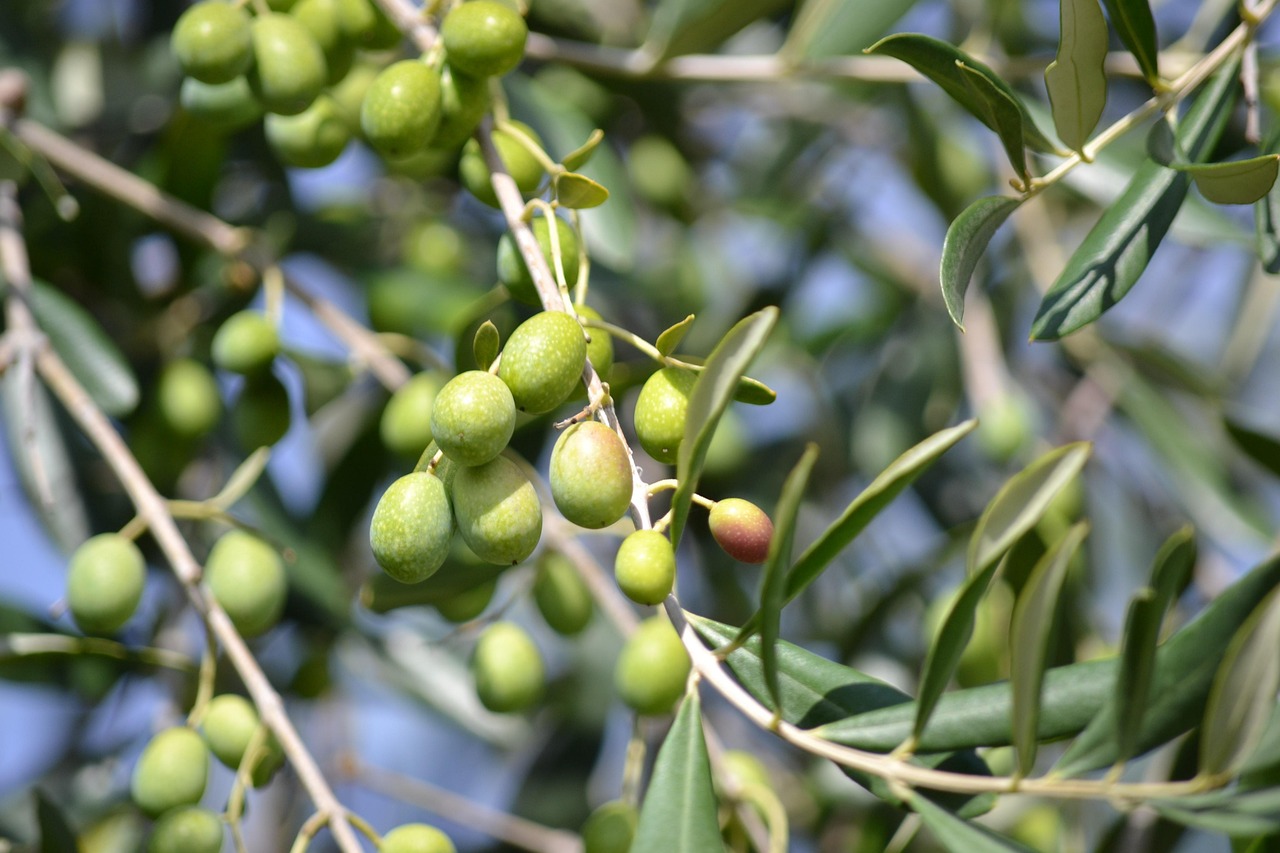
What Are the Best Olive Tree Varieties for Fruiting in the UK?
Not all olive trees fruit equally well in our cooler British climate. While olive trees have long been admired for their silvery foliage and sculptural beauty, many of our customers also dream of harvesting their very own crop of olives — however small — to cure, preserve, and enjoy. The good news? With the right choice of variety, you can.
Recent scientific research and centuries of Italian orchard practice both demonstrate that planting compatible olive varieties together can significantly improve pollination and fruit production. This is why traditional Tuscan olive groves rarely consist of a single cultivar, instead combining varieties such as Frantoio, Leccino and Pendolino to create a naturally balanced and productive orchard.
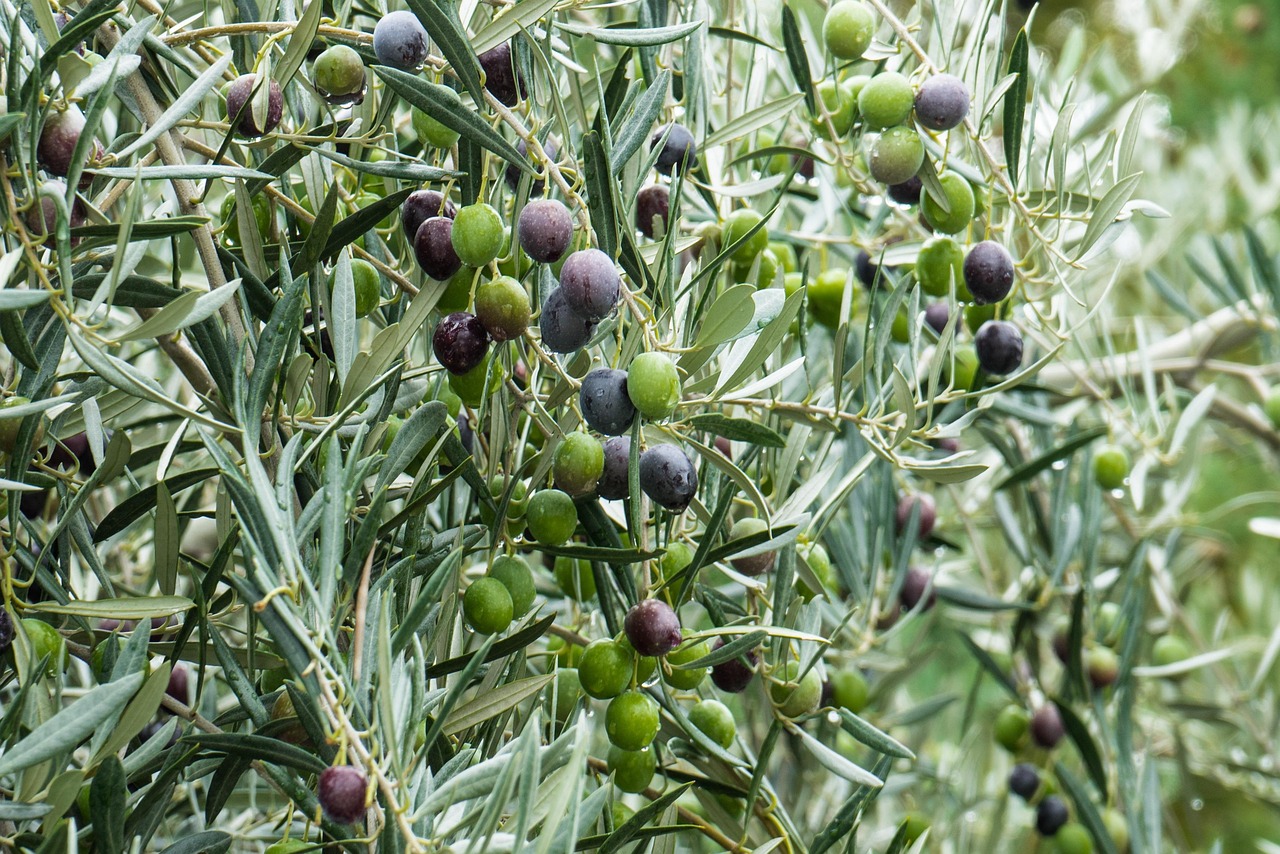
Arbequina – Compact and Early Fruiting
If you want an olive tree that’s as productive as it is pretty, Arbequina is your best friend. Originating from Catalonia, Arbequina is naturally compact, making it perfect for container growing on patios or courtyards. It’s one of the earliest to bear fruit and will happily reward patient gardeners with small, flavourful olives — ideal for curing at home.
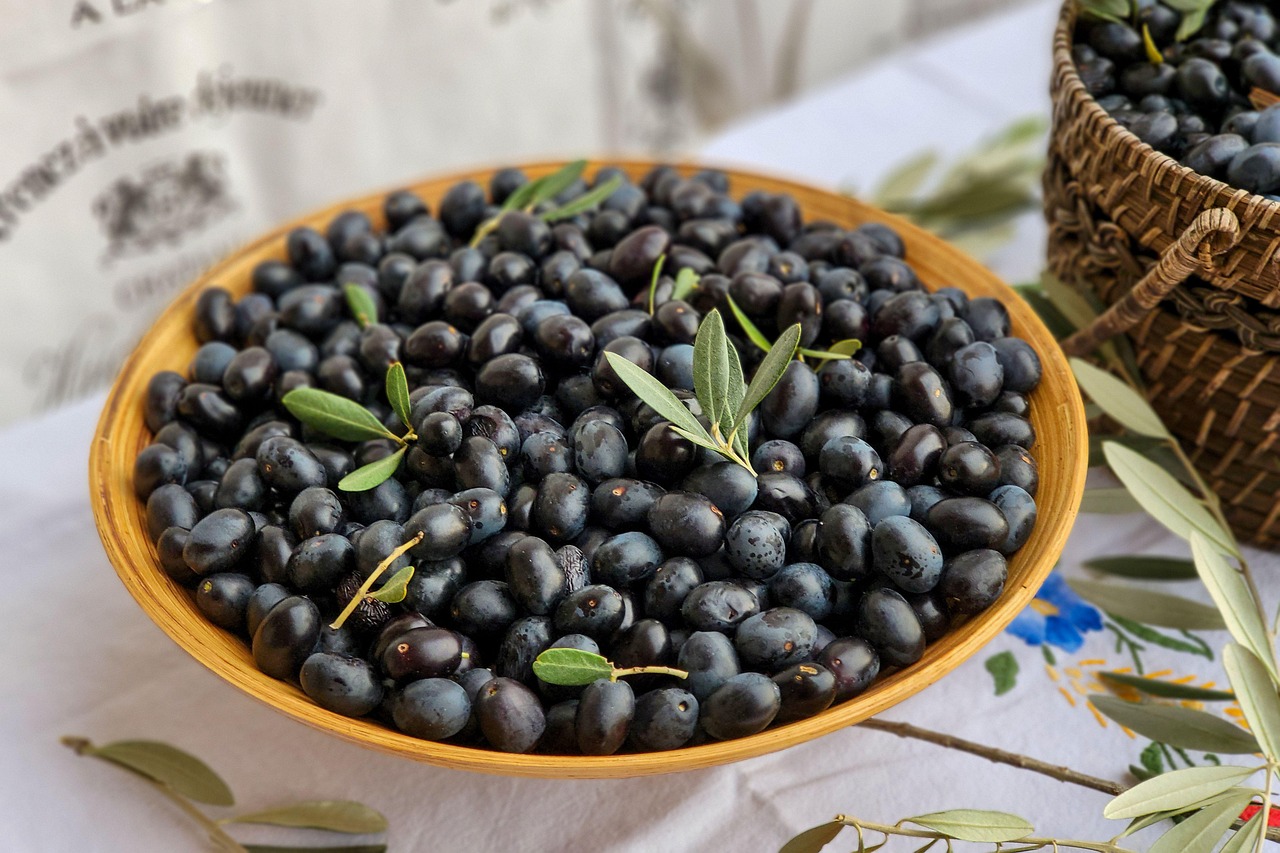
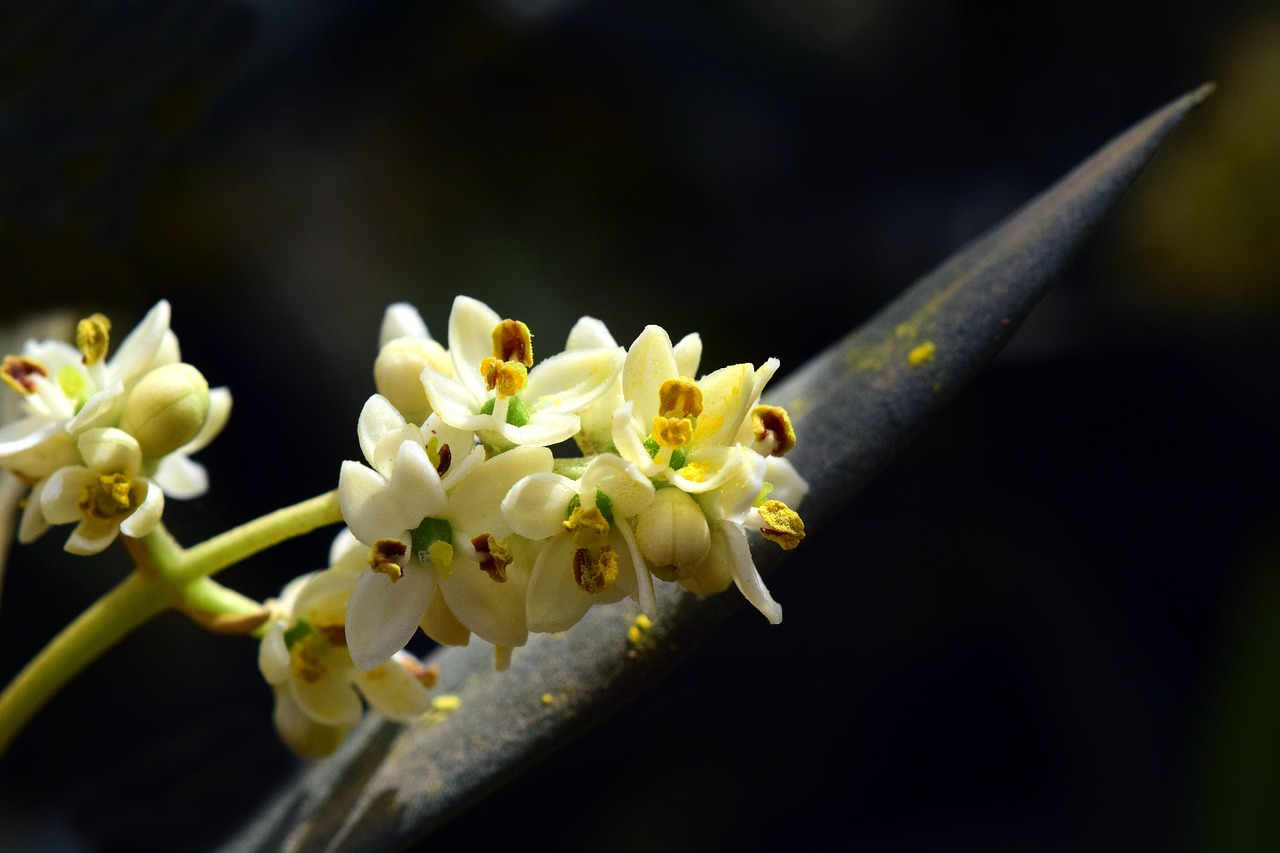
Picual – Bold Flavour, Reliable Cropping
Picual is one of Spain’s most widely grown varieties, and for good reason. It’s robust, adaptable, and produces olives with a bold, peppery flavour. In the UK, Picual thrives when positioned in full sun and well-drained soil. If you’re looking to experiment with curing methods, Picual olives are particularly satisfying — their strong taste holds up beautifully whether brined, salted, or marinated.
Pendolino – The Unsung Hero of Olive Fruiting
If there is one olive variety that deserves far more recognition, it is Pendolino. While Leccino and Frantoio are often chosen for their beauty and fruiting potential, Pendolino plays a vital supporting role in traditional Italian olive groves.
Originating in Tuscany, Pendolino takes its name from the Italian word pendolo meaning “pendulum”, a reference to its graceful, gently weeping branches. For centuries it has been planted alongside other cultivars because of its exceptional ability to produce abundant, viable pollen over an extended flowering period.
Modern olive research and traditional Italian growing practices consistently recognise Pendolino as one of the best pollinating olive cultivars. Although it is only partially self-fertile itself, it significantly improves fruit set in neighbouring varieties including Leccino, Frantoio, Maurino and Leccio del Corno. This is one of the reasons mixed-variety groves have been the preferred planting method across Tuscany for generations.
Pendolino is also an elegant ornamental tree in its own right. Its naturally arching habit softens formal planting schemes, while its silvery-grey foliage provides year-round Mediterranean character. Like Leccino, it has shown good adaptability to cooler climates, making it an excellent choice for UK gardeners who want to maximise their chances of both flowering and fruiting.
Rather than thinking of Pendolino simply as another olive tree, it is perhaps best viewed as the “orchard companion”—the variety that helps bring the whole grove to life.
Leccino – Italian Elegance
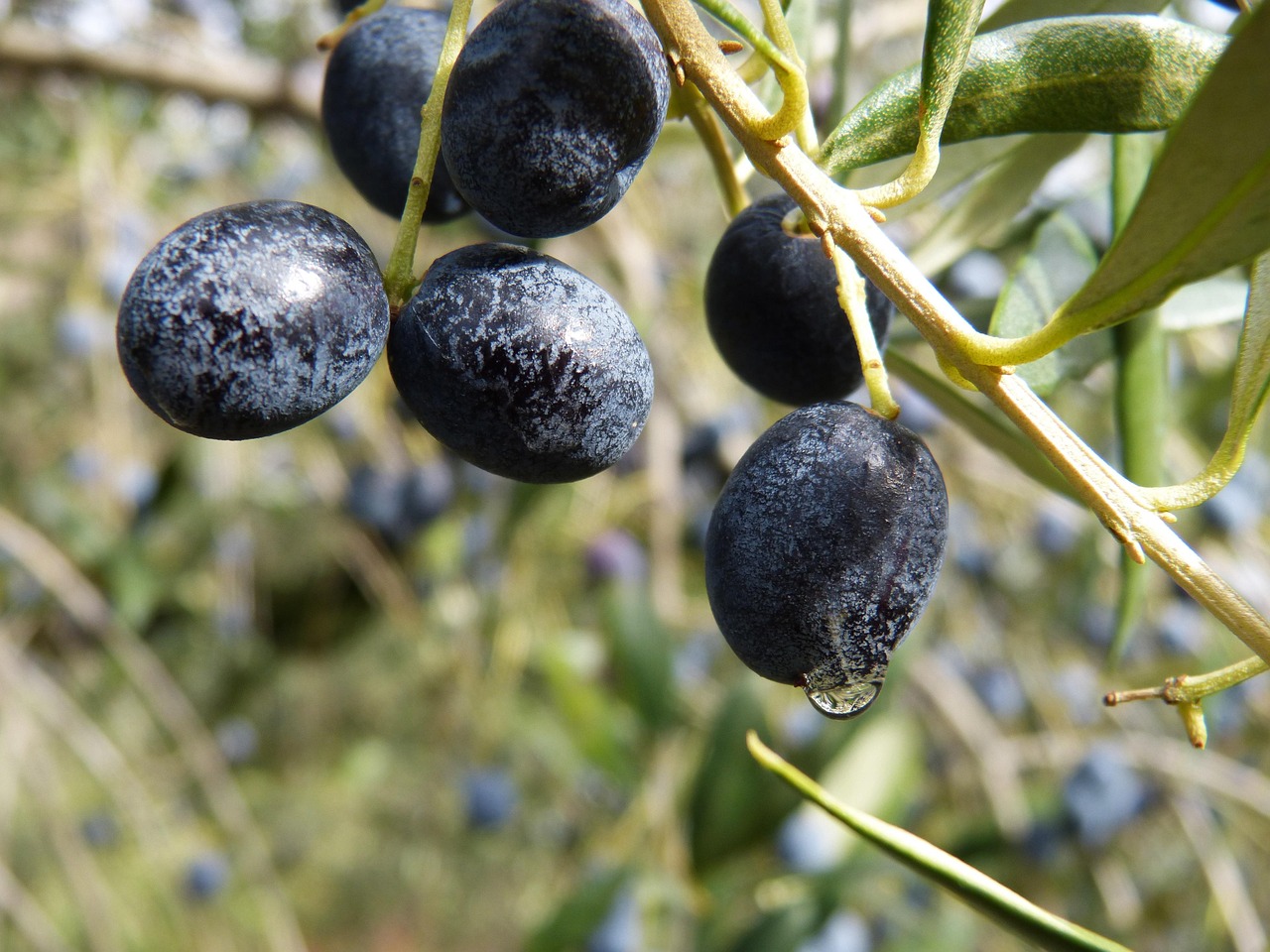
For a touch of Tuscan style, the Leccino olive tree is a classic. Known for its graceful, arching branches and reliable cropping, Leccino is often paired with other varieties for cross-pollination in Italy — though in the UK it will still set fruit without a partner. Its olives are milder in flavour, making them excellent for beginners keen to try home-curing for the first time.
Frantoio – A Connoisseur’s Choice
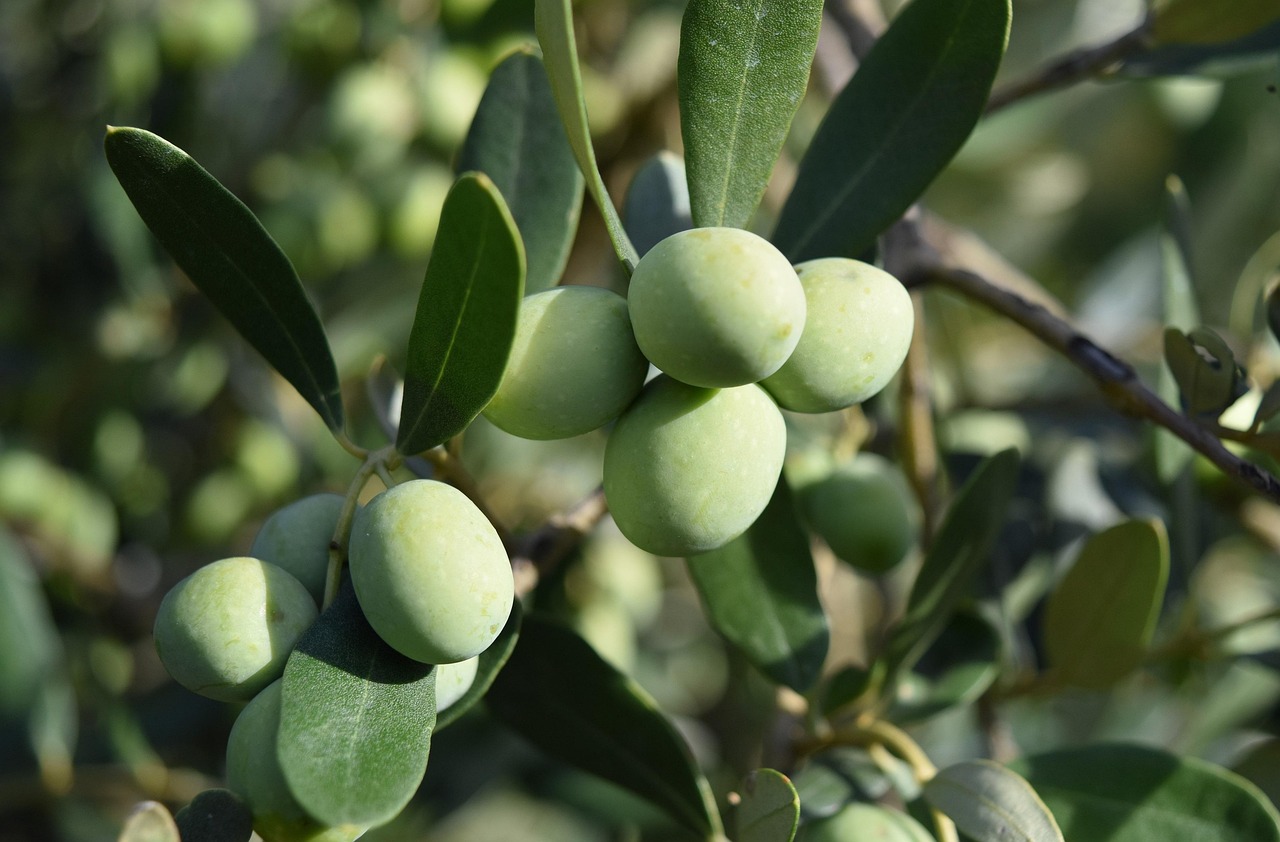
If you like your olives with a story, Frantoio is the connoisseur’s pick. Widely celebrated in Italian olive oil production, it adapts surprisingly well to cooler British conditions. The olives are small but aromatic, producing a refined, almost fruity taste when cured. Frantoio is perfect for those who want to elevate their home harvest into something that feels a little special.
From Garden to Glass – The Joy of Curing Your Own Olives
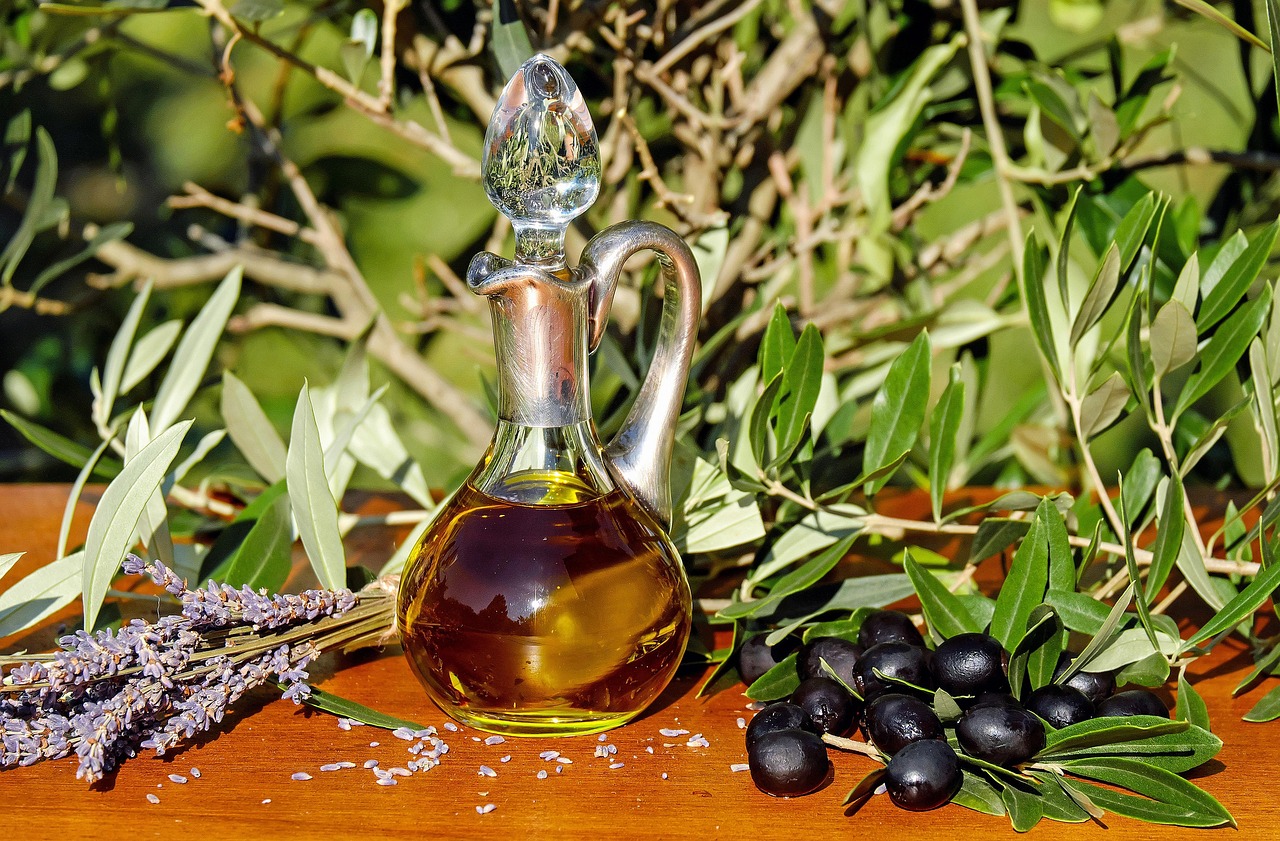
There’s something deeply satisfying about curing your own homegrown olives. Whether you’re brining Arbequina for rustic antipasti or marinating Picual in herbs and chilli, the process is as enjoyable as the end result. And when it comes to serving — imagine offering a bowl of your own olives alongside cocktails. James Bond may have insisted his martinis be “shaken, not stirred,” but we’re fairly certain even 007 wouldn’t turn down a perfectly cured olive garnish.

👉 Ready to give it a go? Explore our curing and preserving recipe to transform your homegrown olives into Mediterranean delicacies.
Create Your Own Italian Olive Grove at Home
Dreaming of harvesting your own olives? The secret isn’t just choosing one excellent tree—it’s planting a carefully selected combination of compatible cultivars, just as growers have done across Tuscany for centuries.
Our Grow Your Own Olive Grove Bundles have been thoughtfully designed using complementary Italian varieties that work together to improve pollination, encourage more reliable flowering and give you the best possible opportunity of producing olives in UK conditions.
Whether you choose our 4-tree Italian Olive Bundle, featuring Frantoio, Leccino, Pendolino and Leccio del Corno, or one of our other specialist bundles, you’ll be planting a miniature Tuscan grove built on centuries of horticultural knowledge rather than guesswork. Each tree has been selected not only for its beauty and character, but also for the important role it plays within the planting as a whole.
Discover our Grow Your Own Olive Grove Bundles and start creating your own slice of Tuscany—right here in your UK garden.
🙋 FAQ Section
Q: Which olive trees fruit best in the UK?
A: Arbequina, Picual, Leccino, and Frantoio are the most reliable olive tree varieties for producing fruit in the UK climate.
Q: Can olive trees in the UK produce enough olives to cure?
A: Yes, though harvests are small. With patience, you can gather enough olives from these varieties to try simple home-curing methods.
Q: How long does it take for an olive tree to fruit?
A: Olive trees typically start fruiting after 3–5 years, though Arbequina is known for fruiting earlier than other varieties.
Q: Do I need more than one olive tree for pollination?
A: Some olive trees are self-fertile such as the Arbequina, Frantoio and the Picual. However having more than one tree — especially mixing varieties — can improve fruit set.
Q: Can I grow olive trees for fruit in pots?
A: Yes. Arbequina and Leccino are particularly well-suited to container growing, making them ideal choices for patios and balconies.