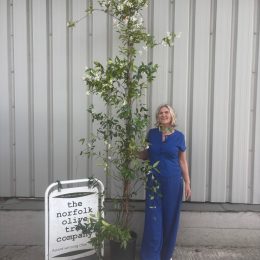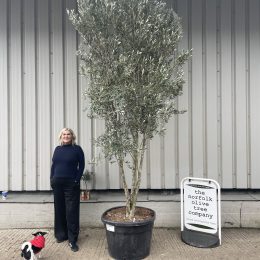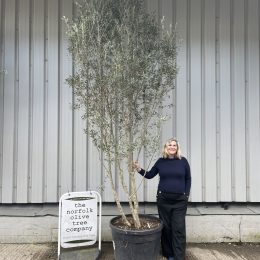
The olive tree is more than wood and leaf. For millennia it has stood as a living testimony about what humans hope for one another: peace, endurance, fruitfulness and a rooted home. In small courtyards and great myths alike, people have chosen the olive as a present, a benediction, and a witness. Here I explore three intimate traditions—gifting at weddings, offering at a child’s birth, and planting as a memorial—and the deeper spiritual threads that make the olive tree such a resonant symbol.
Gifting an olive tree at a wedding: blessing growth, peace and partnership
Across Mediterranean cultures and increasingly beyond them, an olive tree given at a wedding is not a decorative afterthought. It is a statement — an invitation to a married life that will grow slowly, deepen its roots, produce fruit, and return season after season. The gift pulls together several strands of meaning: peace (the olive branch as a universal emblem), fertility and abundance (the tree’s productive nature), and mythology (from ancient civic myths such as the story of Athena’s gift to Athens). These layers make the olive an especially apt wedding offering: it blesses the couple with steadiness and mutual care rather than instant glamour.
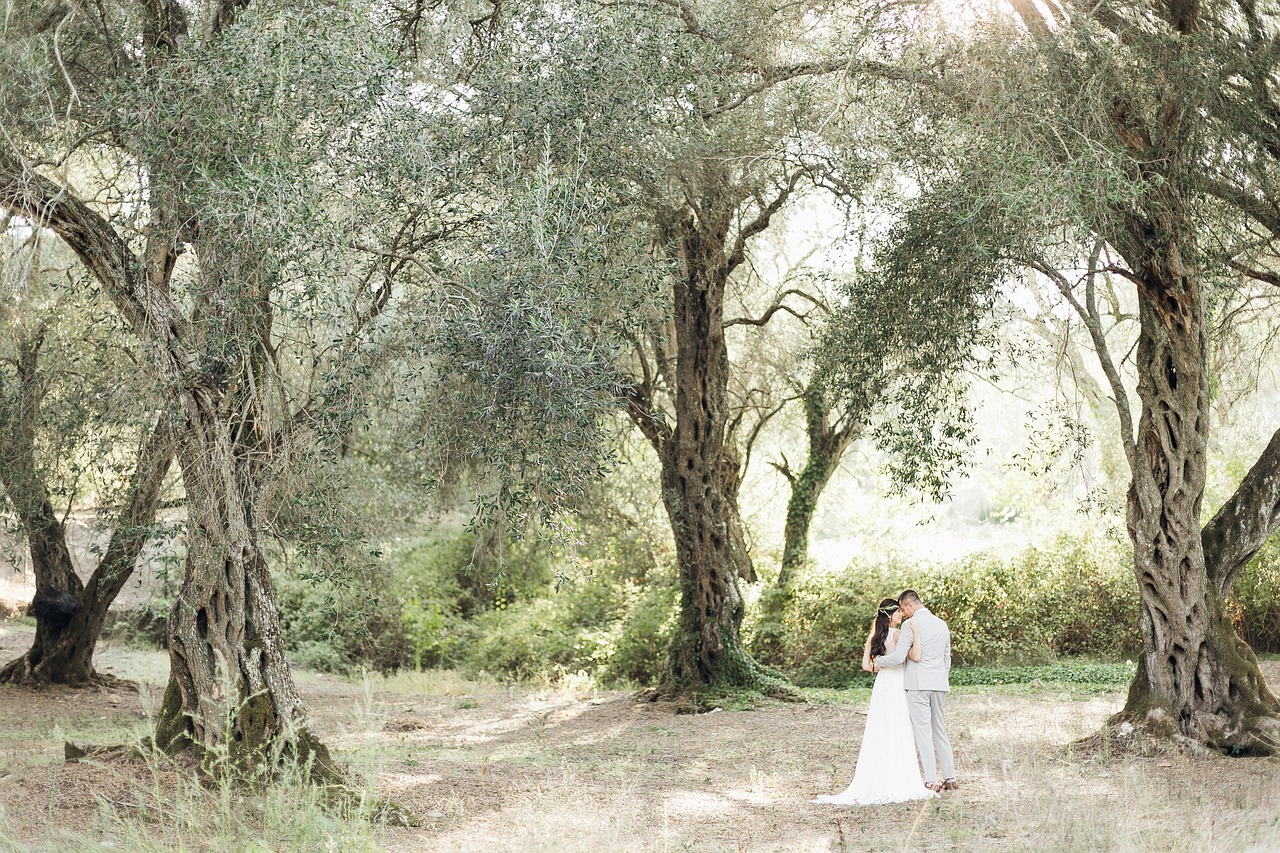
Where flowers and silver mark the day, an olive tree marks a beginning that keeps giving. Each new leaf and harvest becomes a quiet anniversary, a ritual of tending that mirrors the labour and reward of sustained partnership. In some modern ceremonies couples themselves plant an olive sapling together — literally rooting their vows in the soil — which transforms vows from words into a shared project that will age with them.
Presenting an olive tree at a birth: spiritual connections to life and light
The arrival of a child is often marked by offerings that wish protection, flourishing and identity. The olive tree carries deep spiritual associations that make it especially fitting for this role. In Judaeo-Christian texts, olive oil, light, and branches are associated with blessing, anointing and the presence of the sacred; in Greek myth the olive is a divine gift linked to wisdom and civic wellbeing. Together these ideas shape a symbolic logic: giving an olive to mark a birth is to speak a wish for a life that is blessed, wise and resilient.
Beyond scriptural and mythic resonances there is also a poetic ecology in the gesture. A child grows; so does a tree. Both require care, weather seasons, and reach maturity in their own time. An olive’s slow, patient pace — saplings that one day become gnarled elders — mirrors the human view of a life lived across generations. Families who gift or plant an olive for a newborn are effectively depositing a promise: that someone will be alive in the future to pick fruit, to sit in the shade, to remember the day.
The olive as a memorial tree: longevity, witness and consolation
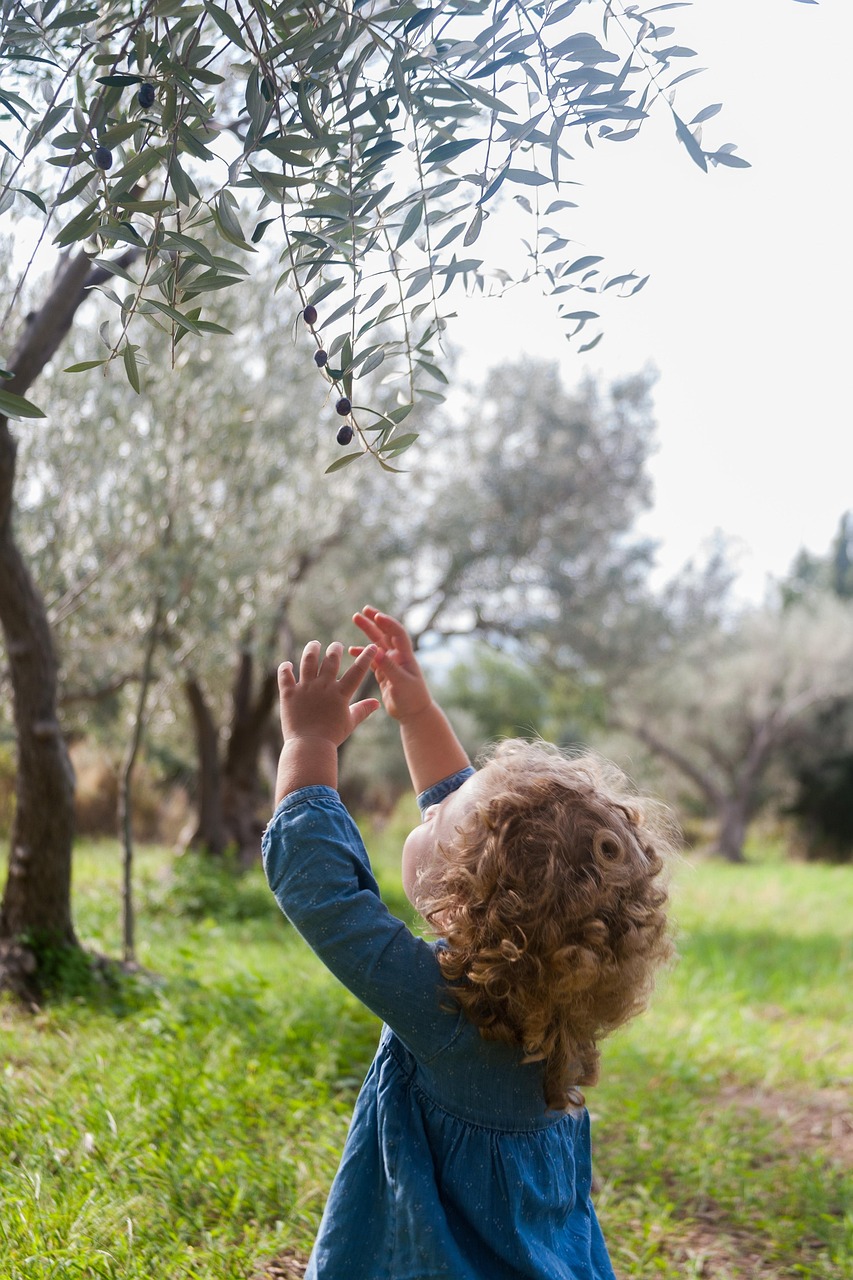
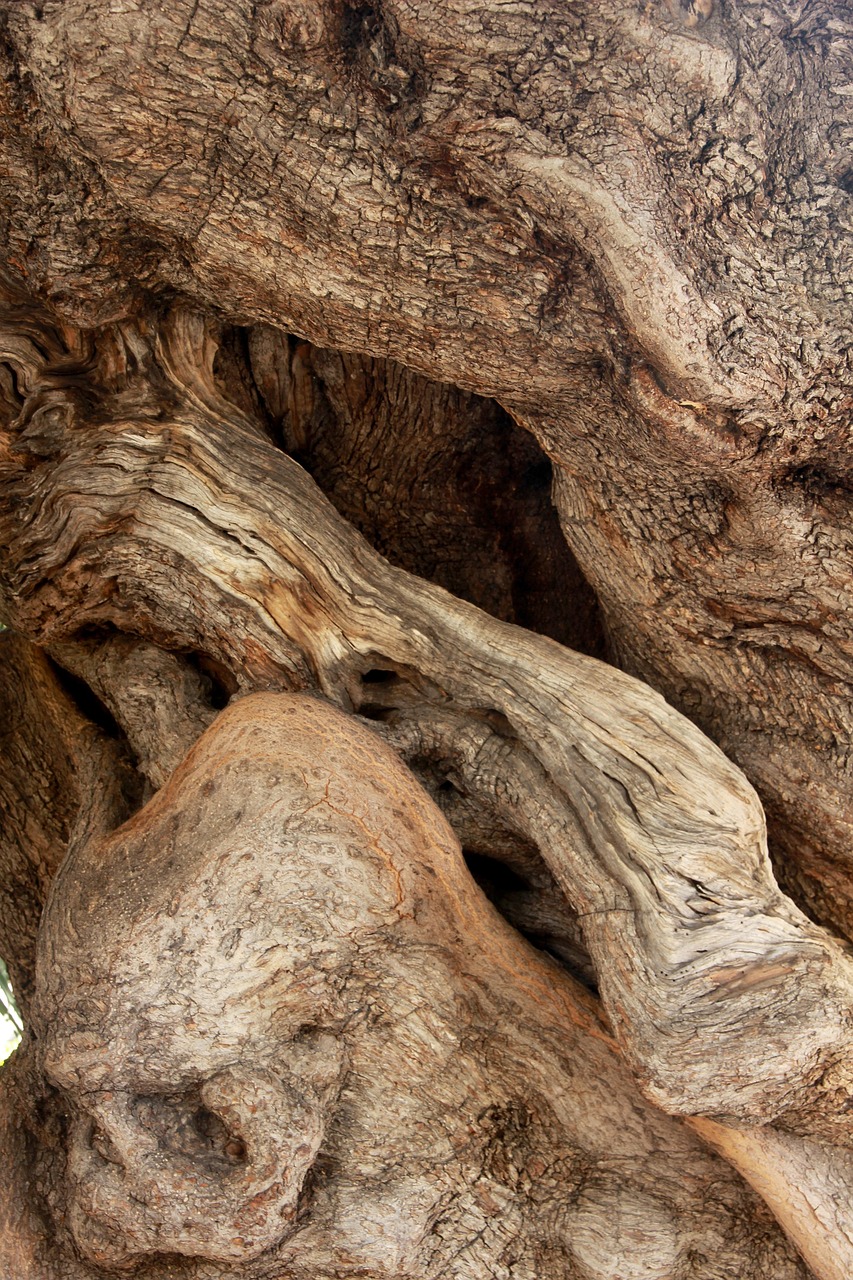
Perhaps the most moving use of the olive tree is as a living memorial. Unlike stone monuments that fix a name in time, a tree continues to speak: through leaves in wind, seasons of yielding, and a trunk that grows wider with years. Olive trees are famous for their longevity — ancient specimens in the Mediterranean are centuries old, in some claims even millennia — and that endurance itself becomes a consolation. Planting an olive for someone who has died is to place their memory into a structure built for long remembrance.
The olive’s associations with peace and reconciliation also make it a fitting emblem for grief. A tree that bears witness to storms and returns to leaf offers an image of resilience that families often need after loss. As it matures, the memorial olive can become a quiet place of visitation and a living lineage for descendants — a continuous ritual anchor that links the past to the present. Commercial vendors now market “sympathy” olive trees for this reason, but the deeper appeal is anthropological and spiritual: people choose living things—trees—that will keep speaking for those who no longer can.
Why the olive? A short philosophy of symbols and the life of things
Why does this particular tree gather so much meaning? Symbolic power often prefers things that are both useful and persistent. The olive produces edible fruit and sacred oil; it lives long; it is resilient to drought and hard soils. Those practical facts feed metaphors: usefulness becomes generosity, sturdiness becomes endurance, and oil (which gives light and was used in anointing) becomes a sign of blessing and presence. Once a symbol accrues across myths, law and religious ritual it becomes available as a cultural shorthand for the most treasured human hopes — peace, fertility, wisdom, and survival through time.
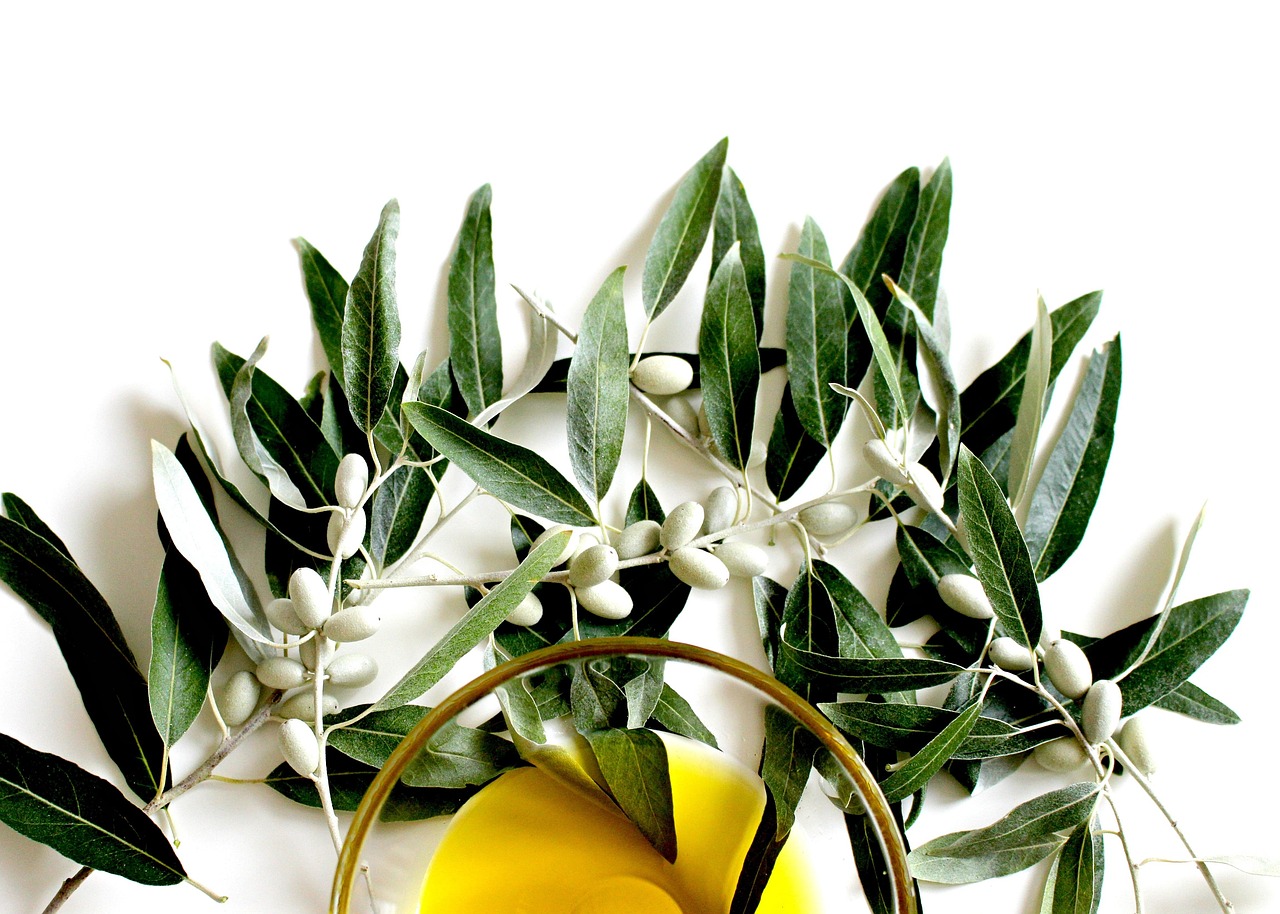
Philosophically, giving an olive tree — whether at a wedding, at a birth, or in memory — is an act oriented toward the future. It is an ethics of care that refuses instant gratification and opts instead for the slow work of tending. It says: we will invest in things that outlast us; we will plant commitments rather than burn incense; we will anchor meaning in the world, not only in words. That is why the olive endures as a human gift: it is both a practical present and a moral proposition.
A closing reflection: how to give such a gift, and why it matters
If you are thinking of giving an olive tree as a meaningful sign — for a partner’s wedding, the birth of a child, or in memory of a loved one — consider these small, thoughtful practices: include a note explaining the symbolism you intend; choose a variety suited to the local climate so the tree has a real chance to live; attach a simple routine of care (water, soil, light) so the recipient can easily tend it. The act of joining a tree to a life is not merely horticultural; it is an invitation to participate in a story that will continue after we are gone.
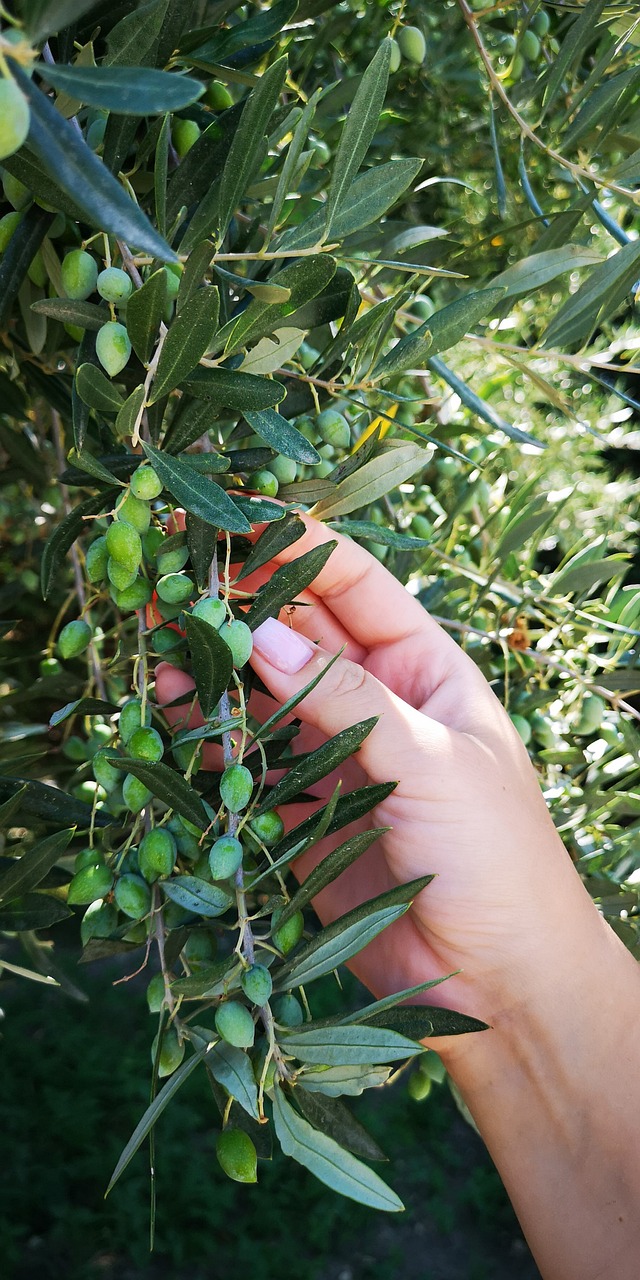
In modern life, quick gestures are everywhere; the olive asks for a different tempo. It asks us to hope in increments — for a harvest many years from now, for a shade we won’t a enjoy immediately, for a memory that will deepen as the rings accumulate. That patience is itself a kind of grace. To give an olive tree is to give time, rootedness and the possibility that a single living thing will hold a family’s prayers, vows and remembrances for generations.