Pendolino Olive tree from Tuscany to the UK
Our Tuscan weeping Olive is an absolute favourite of ours. Find out why in this weeks blog.
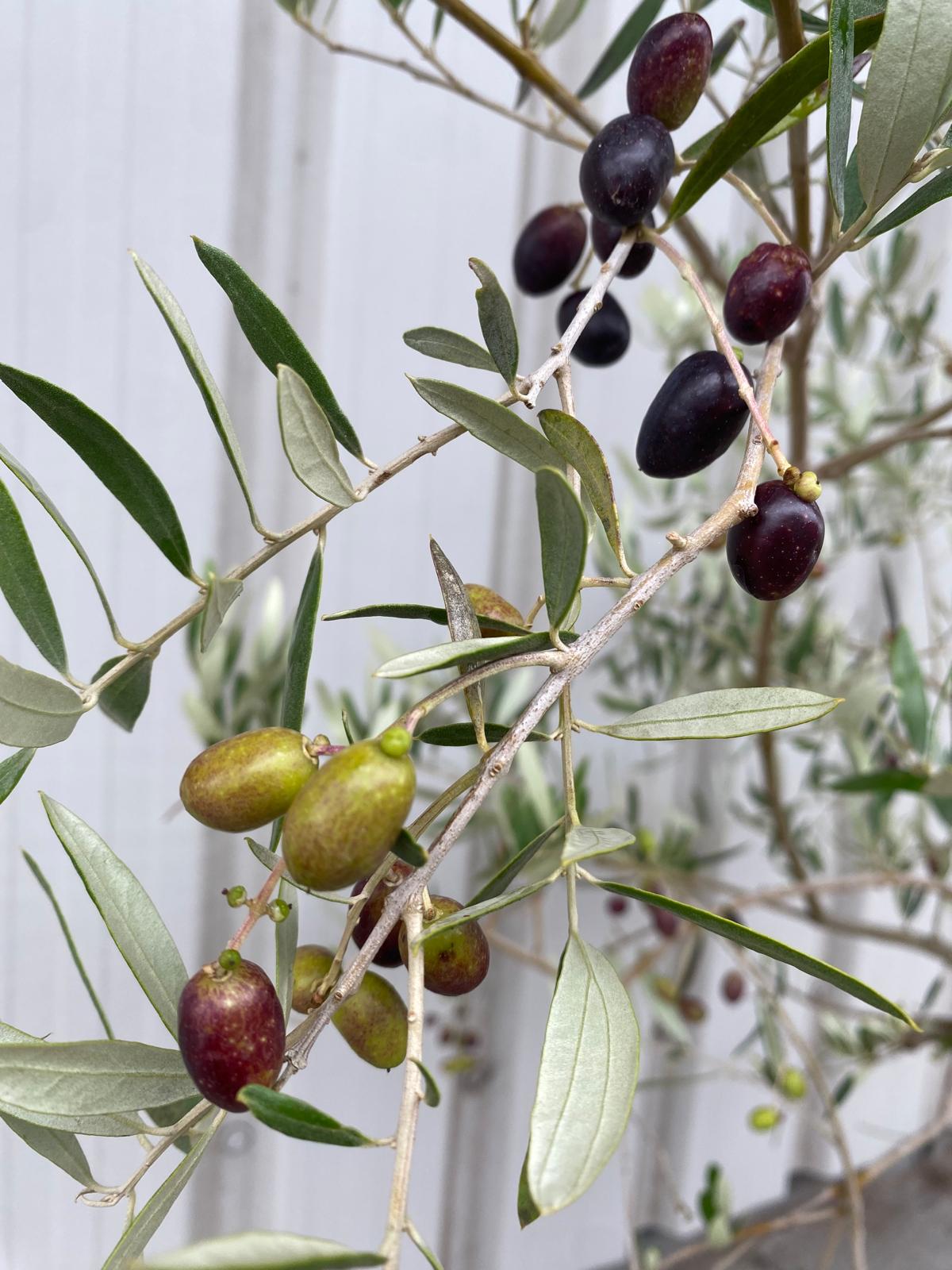
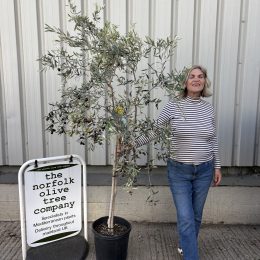
Bringing a touch of Tuscany to British soil, the Olea europaea ‘Pendolino’ is one of the most graceful olive cultivars available. Sourced from our trusted growers in Tuscany, this elegant variety is prized for its cascading, pendulous habit — a living sculpture that sways softly in the breeze, evoking Mediterranean charm even in a northern garden.
Growth rate in the UK
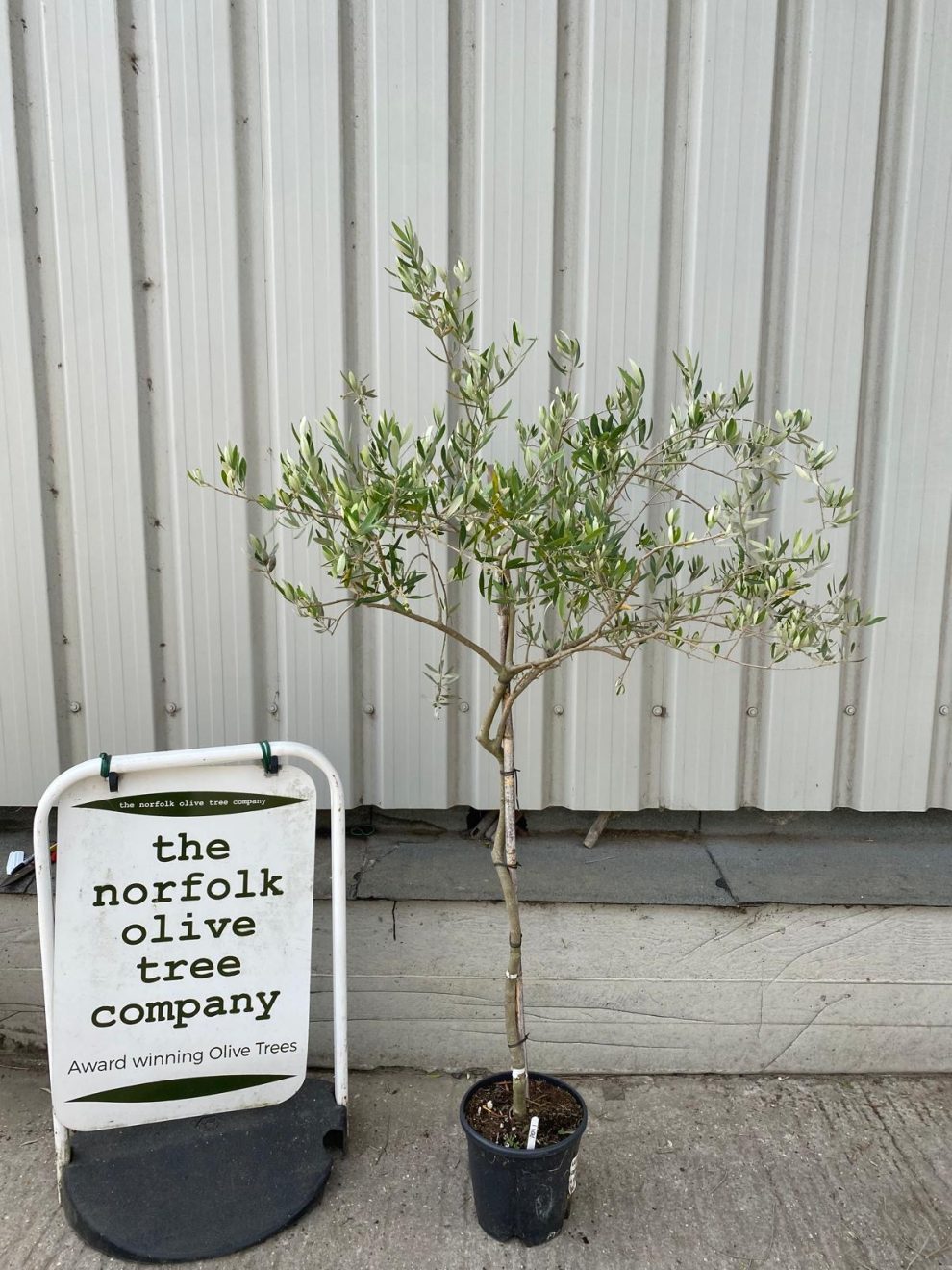
‘Pendolino’ is a reliable and steady grower, producing around 20–40 cm of new growth each year once established. Over time, it forms a shapely tree reaching 4–6 m if planted in open ground, or can be maintained more compactly in a pot or courtyard setting. Like most olives, it prefers full sun, free-draining soil, and an open position sheltered from cold, drying winds.
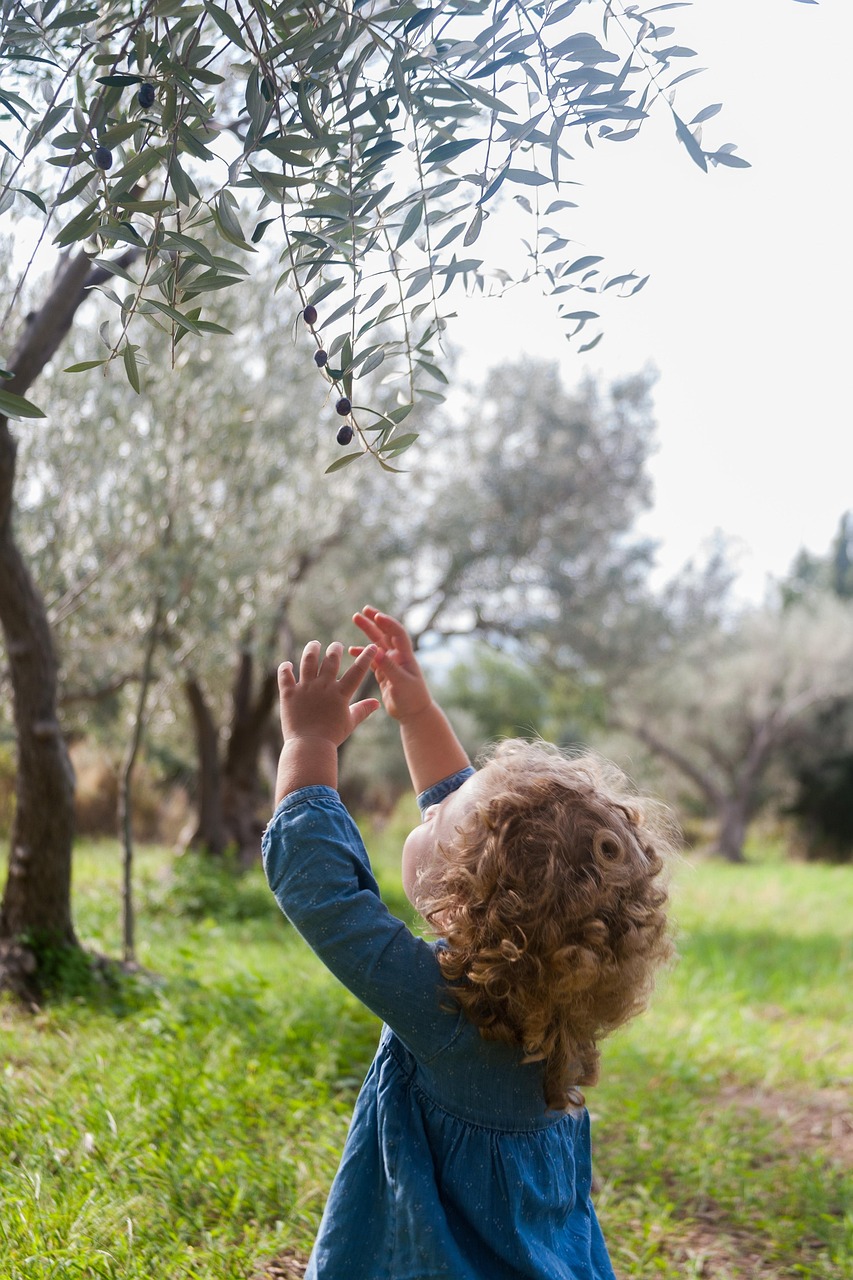
What makes ‘Pendolino’ exceptional is its hardiness — this Tuscan olive can tolerate temperatures down to -15 °C, making it one of the most resilient olive varieties for UK gardens. It thrives in much of southern and eastern England and performs admirably when given light and air, without the need for mulch or heavy feeding.
Self-fertile or not?
‘Pendolino’ is partially self-fertile, meaning it can set some fruit on its own, but yields are more reliable when it’s planted near another compatible olive variety such as Leccino, Frantoio, or Maurino. In Tuscany, it is often used as a pollinator tree because of its abundant and early flowering habit — an excellent choice for gardeners wishing to expand a small olive collection.
The charm of its pendulous form
As its name suggests, ‘Pendolino’ means “little pendulum” in Italian — a perfect description of its softly drooping branches. The silvery-green foliage shimmers in the light, creating movement and texture all year round. It brings a sculptural elegance to patios, terraces, and borders alike, offering year-round interest and Mediterranean style even on the dullest days.
FAQ
1. How hardy is the Pendolino olive tree?
Extremely hardy — down to approximately -15 °C once established. In harsh conditions, protection from prolonged frost is advisable, but mature trees are remarkably resilient.
2. Should I mulch my olive tree?
We don’t recommend mulching. Olives prefer dry, free-draining conditions around their roots. Avoid trapping moisture which can encourage root problems.
3. Does it need a pollinator?
For the best fruit set, yes — plant it alongside varieties such as Leccino or Frantoio. We have found this variety to be an excellent producer of olives, producing them in abundance.
4. Is it suitable for pots?
Absolutely. Use a large, free-draining container with a gritty soil mix and ensure good air circulation around the canopy.
5. How fast does it grow?
Expect 20–40 cm of new growth each year in the UK, depending on site and soil conditions.
Conclusion
The Tuscan Olea europaea ‘Pendolino’ is more than a beautiful ornamental — it’s a resilient, living link between Mediterranean heritage and British gardens. With its elegant weeping form, silvery light, and impressive cold tolerance, it embodies the enduring charm of the olive tree: graceful, adaptable, and timeless.