Winter Care for Lemon Trees in an Orangery
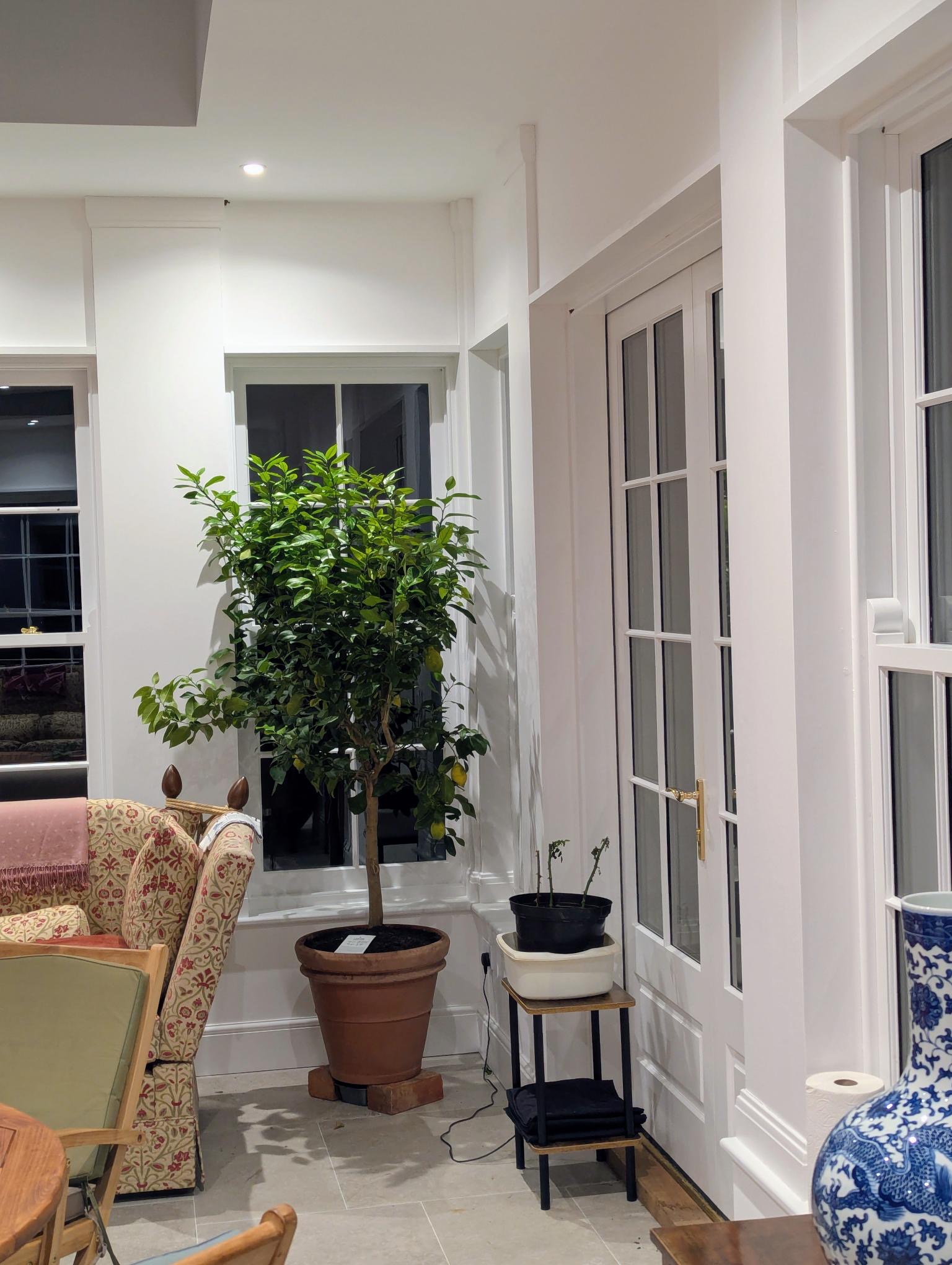
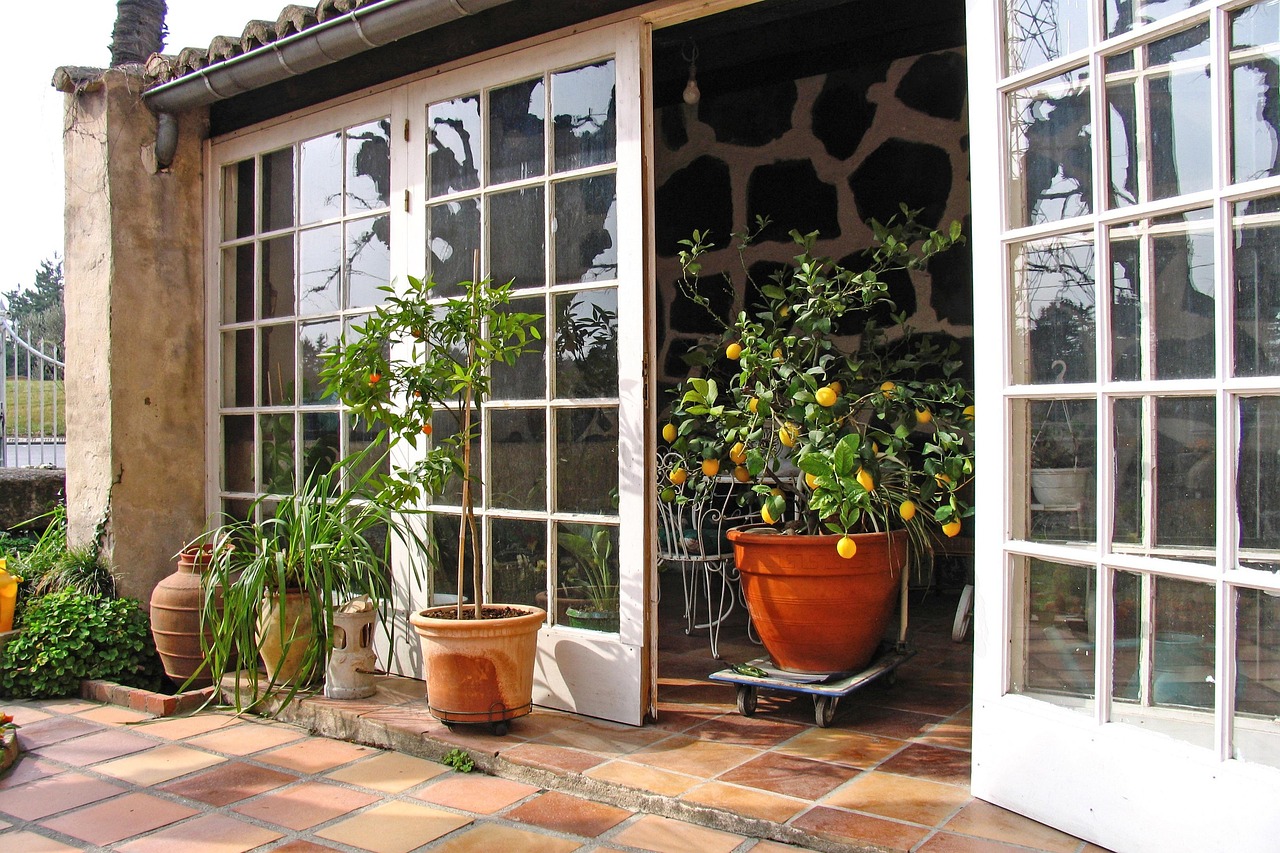
At The Norfolk Olive Tree Company, we believe good plant care follows the rhythm of the seasons. Lemon trees, when grown in an orangery or under glass in the UK, thrive not through constant intervention, but through rest in winter and gentle encouragement as spring approaches.
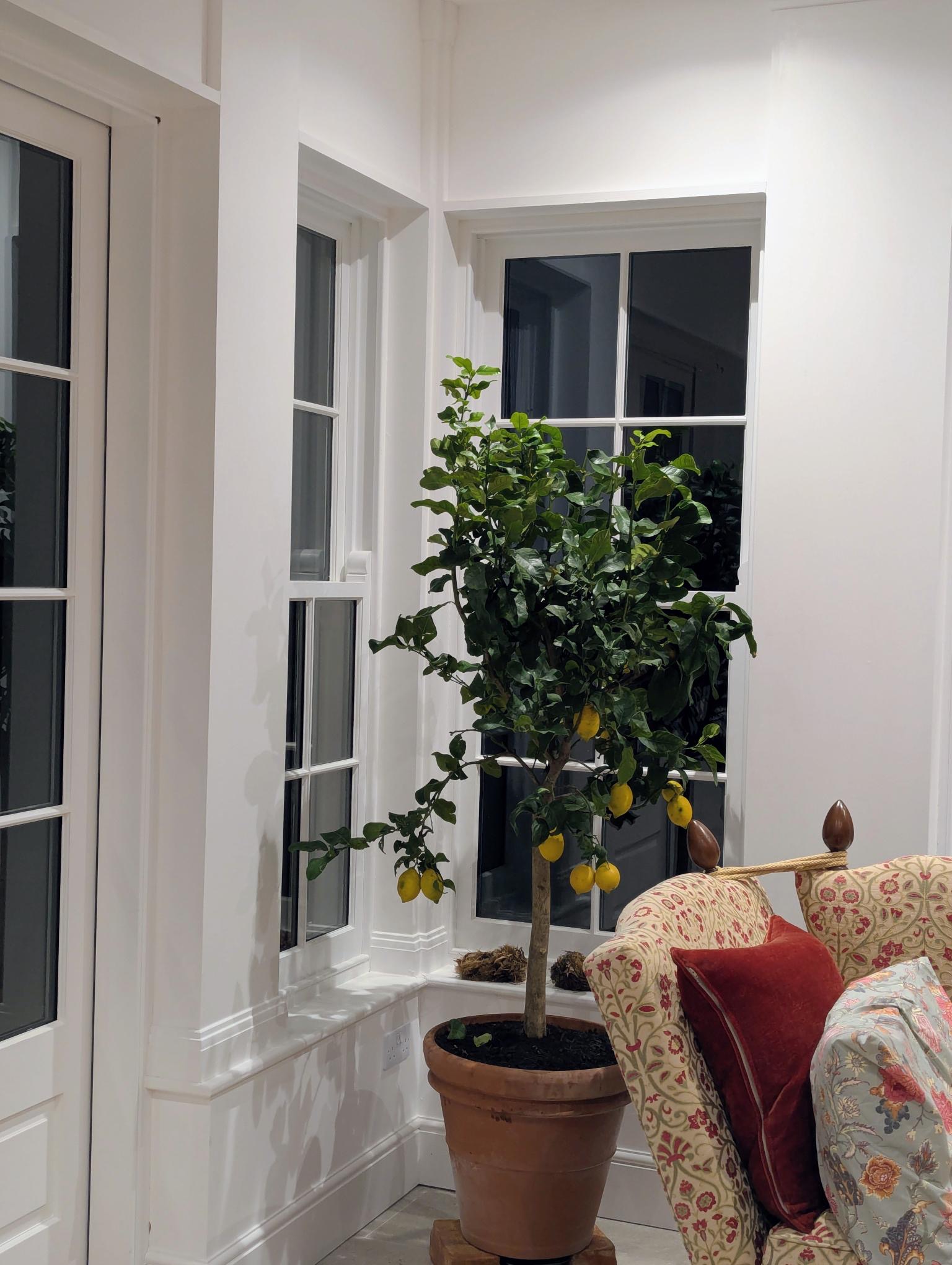
Understanding this natural cycle is the key to healthy foliage, reliable flowering and long-term vitality.
Supporting Lemon Trees Through Winter
Winter is not a time for growth, but for preservation. In lower light and cooler temperatures, lemon trees slow their metabolism, and care should reflect this quieter phase.
Watering with Restraint
Minimal watering during winter is exactly right. Citrus roots dislike sitting in cold, wet compost, and overwatering is far more harmful than slight dryness.
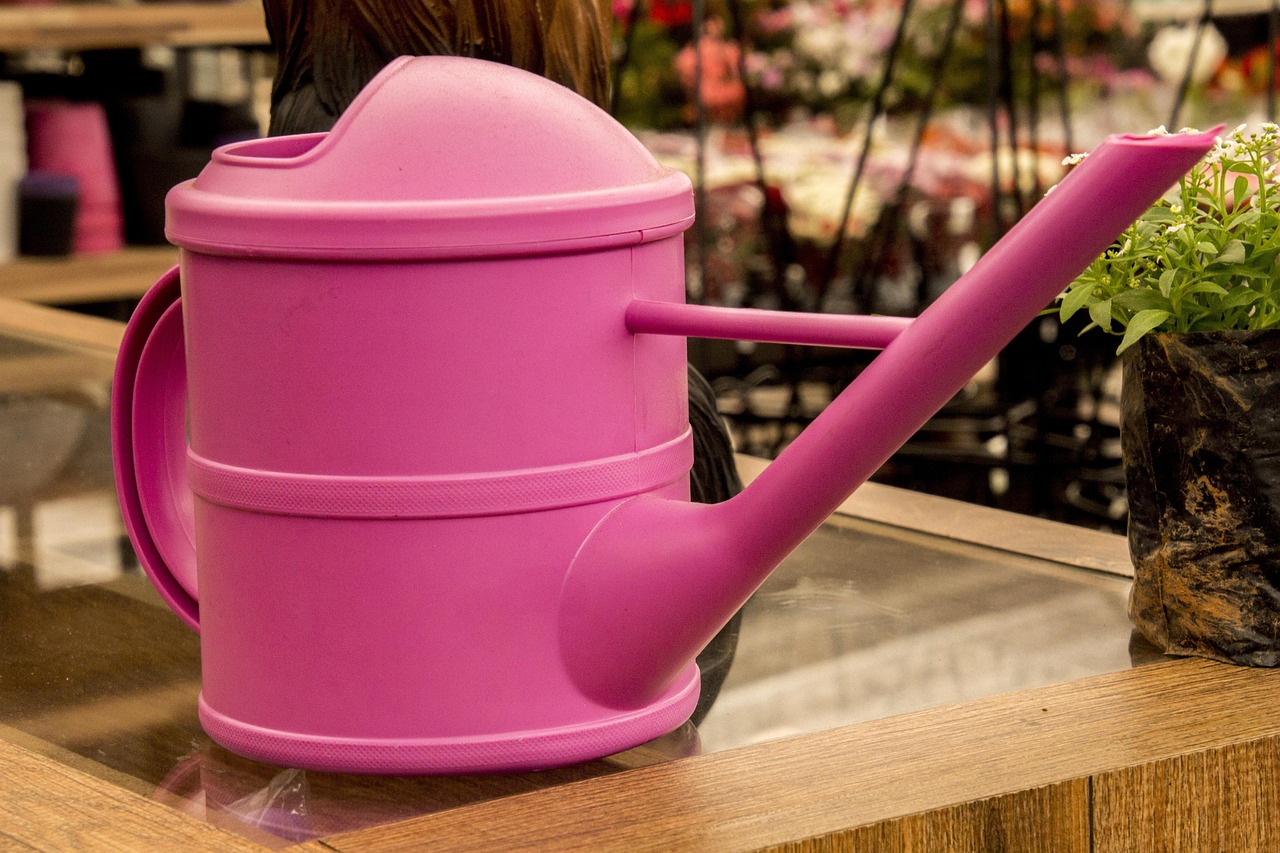
- Water only when the compost is clearly dry
- Keep soil just on the dry side
- Ensure excellent drainage at all times
This approach protects the root system and sets the tree up for a strong spring response.
Gentle Foliar Feeding Under Glass
A very dilute foliar spray using Phostrogen can be beneficial in an orangery environment. Used sparingly, it will not encourage soft growth during winter.
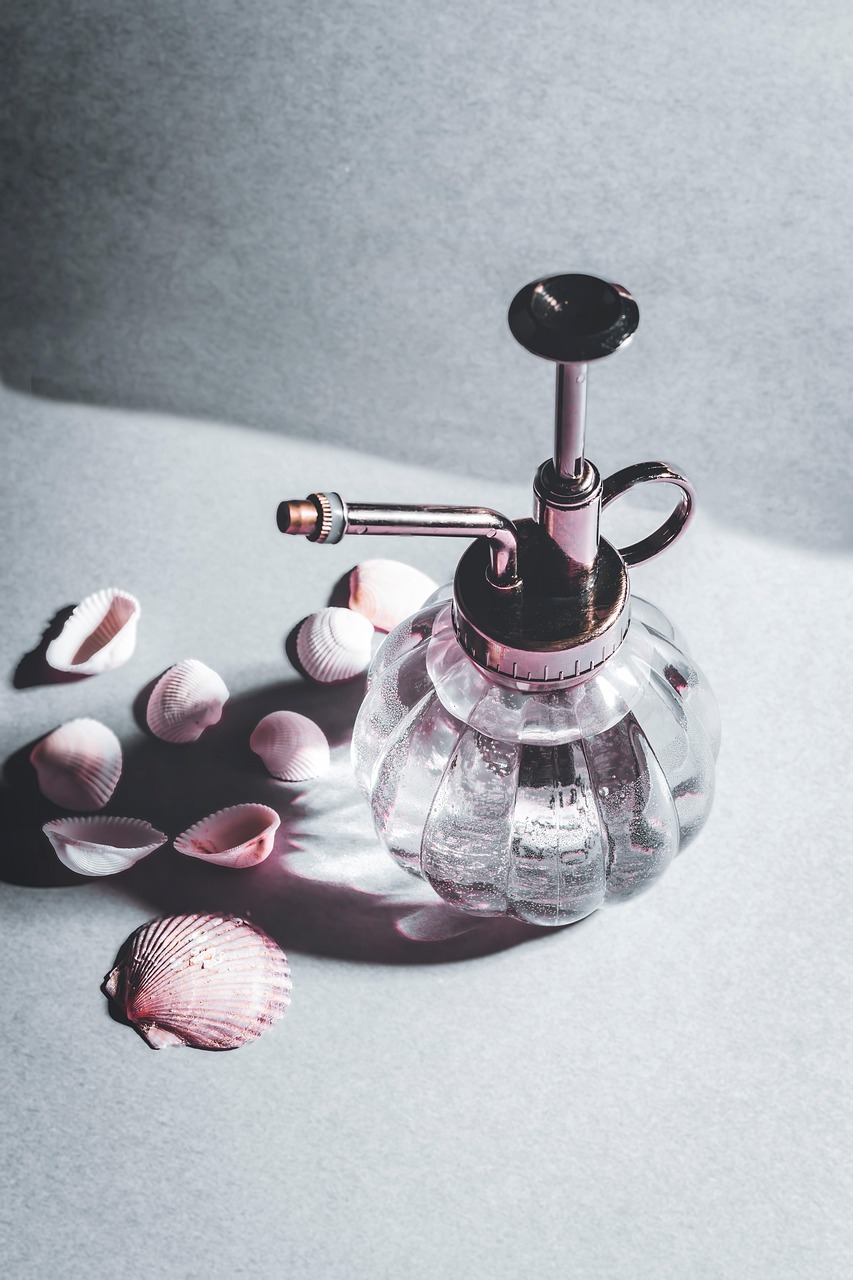
The real value lies in the trace elements — particularly magnesium, iron and manganese — which help prevent deficiencies common in citrus grown under glass. Light, infrequent applications every few weeks are sufficient.
Maintaining a Stable Winter Temperature
A thermostat-controlled heater set to 5°C provides ideal winter protection.
Lemon trees are more tolerant of cool conditions than many expect, but temperatures below this can stress roots and foliage, especially in containers. Maintaining this minimum temperature helps prevent leaf drop and supports overall stability through the coldest months.
The Transition Into Spring
As daylight lengthens towards late March, lemon trees naturally begin to stir. This is the moment to respond — not abruptly, but with measured adjustments.
Gradually Increasing Watering
As growth resumes:
- Increase watering slowly
- Avoid sudden changes
- Allow roots time to adapt
This mirrors the tree’s natural rhythm and avoids unnecessary stress.
Introducing a Summer Citrus Feed
Switching to a dedicated summer citrus feed such as Citrus Focus at this stage is a thoughtful choice.
Its balanced formulation supports:
- Healthy leaf colour
- Flower formation
- Fruit set
Crucially, it nourishes without pushing excessive leafy growth, keeping the tree well balanced.
Supporting Resilience with Seaweed
Adding a seaweed feed alongside your citrus fertiliser is something we regularly recommend. Seaweed supports:
- Root development
- Stress tolerance
- Overall plant vigour
It works quietly in the background, strengthening the tree rather than forcing growth.
Two Gentle Refinements for Best Results
Small adjustments often make the biggest difference.
Shift Feeding to the Roots
As temperatures rise and light improves, foliar feeding can be stopped. At this point, nutrients are best delivered via the compost, reducing the risk of soft growth and fungal issues under glass.
Watch for Iron Deficiency
Citrus grown in containers are prone to iron deficiency, particularly in orangeries. Yellowing leaves with green veins are the key sign to watch for.
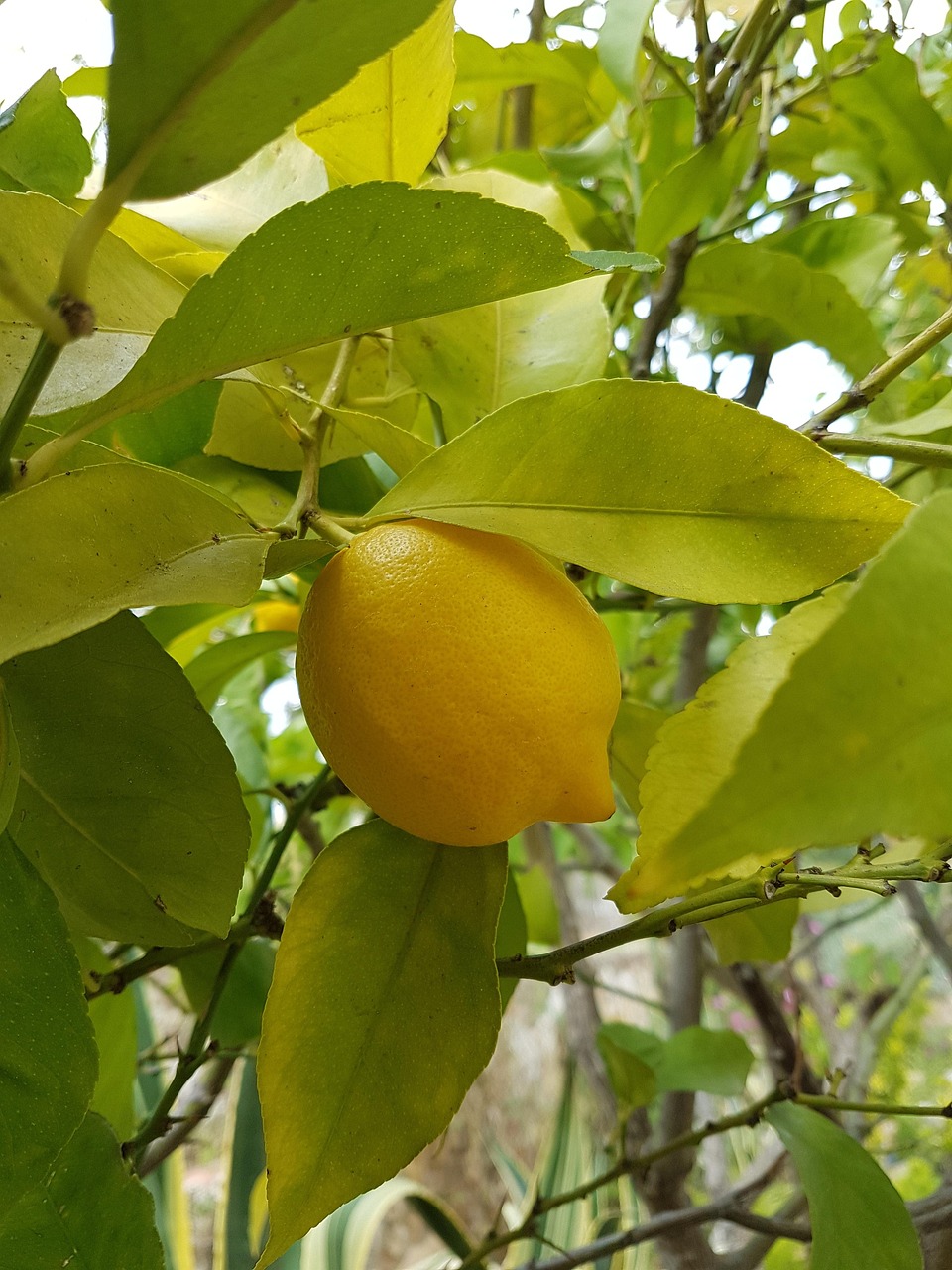
If this appears, a chelated iron drench applied to the compost can quickly restore leaf colour and support healthy growth.
A Seasonal Approach That Works
This approach reflects what we see time and again with citrus grown well in UK conditions:
- Restraint and protection in winter
- A gentle reawakening in spring
- Balanced feeding as growth resumes
By working with the seasons rather than against them, lemon trees reward careful winter care with strength, beauty and productivity as the year unfolds.
At The Norfolk Olive Tree Company, we believe this thoughtful, seasonal rhythm is at the heart of successful growing — and one of the quiet pleasures of caring for trees under glass.
What Is a Chelated Iron Drench?
A chelated iron drench is a method of supplying iron to plants in a form that is easily absorbed through the roots.
Iron is an essential micronutrient for photosynthesis and healthy leaf colour, but it is also one of the most commonly unavailable nutrients in container-grown citrus.
What Does “Chelated” Mean?
“Chelated” simply means the iron is bound to an organic molecule (the chelator). This keeps the iron soluble and prevents it from becoming locked up in the compost — something that happens easily in pots and under glass.
Without chelation, iron can be present in the soil but completely inaccessible to the plant.
What Does “Drench” Mean?
A drench means the solution is applied to the compost, not sprayed onto the leaves. The iron is absorbed naturally by the roots, where uptake is more reliable and longer lasting than foliar feeding