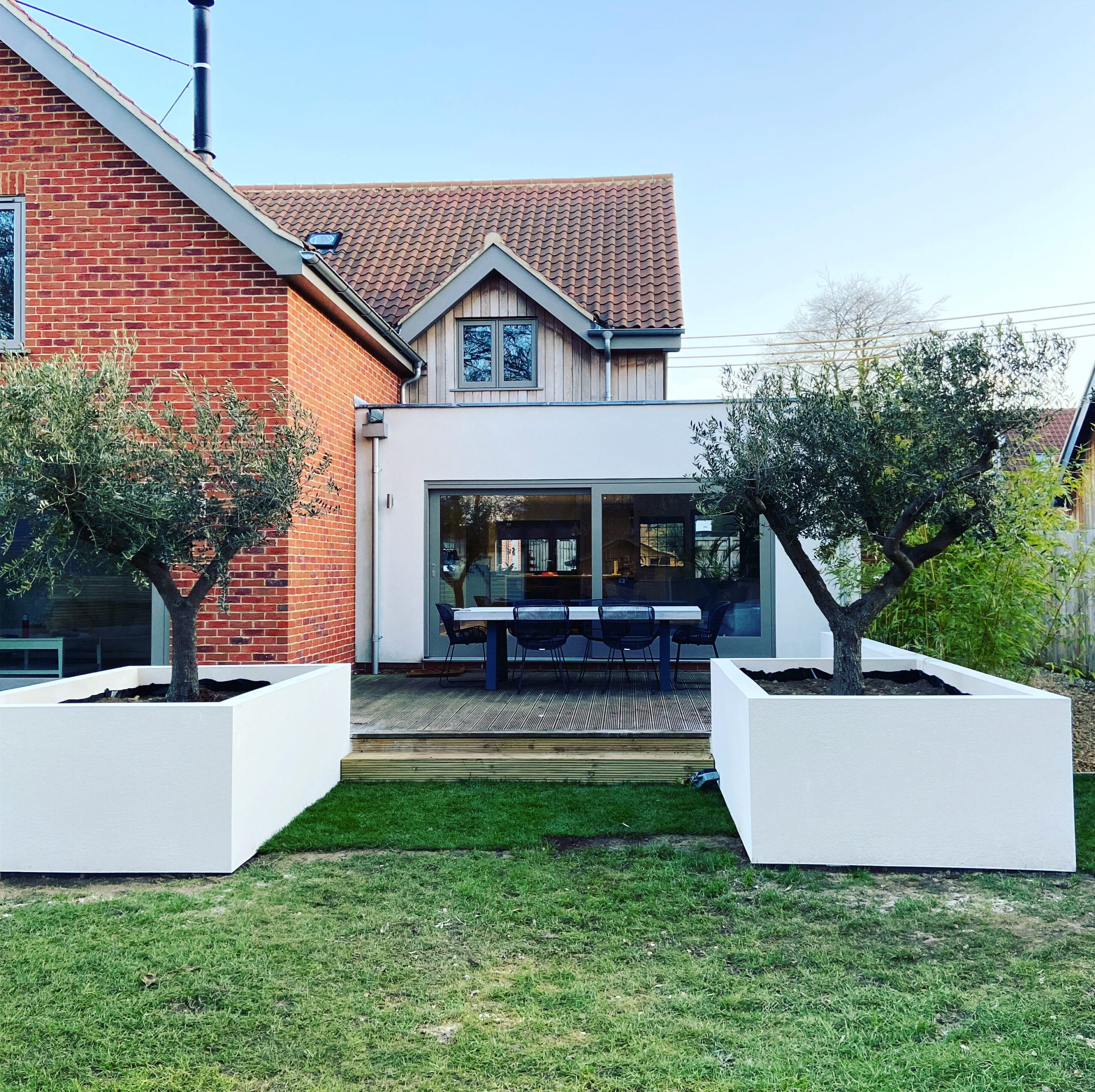
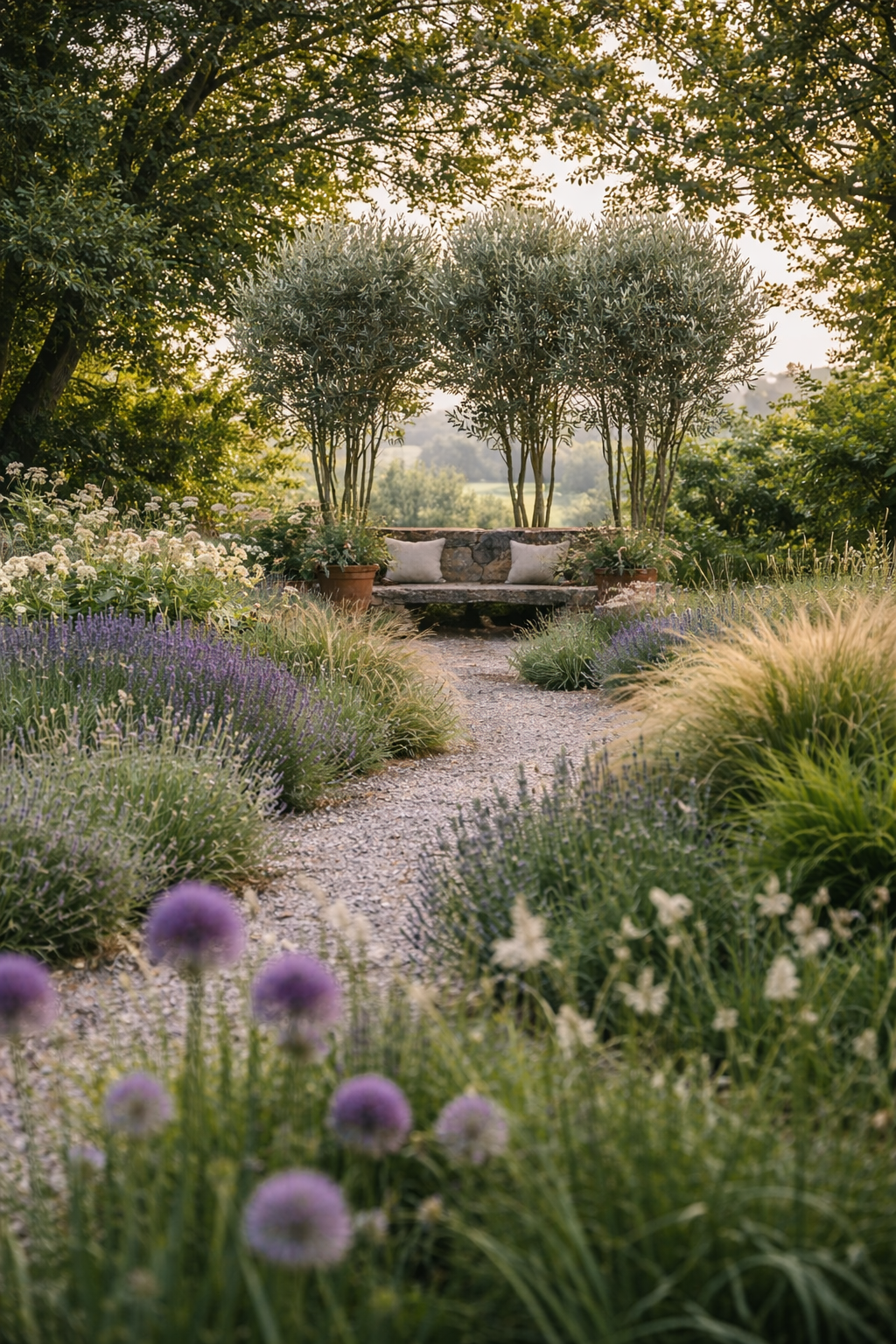
In well-designed gardens, trees are rarely an afterthought. They are not decorative extras or finishing touches. Instead, they form the framework around which everything else is arranged. Long before borders are planted or furniture positioned, garden designers consider the placement of trees — because trees shape space.
Much like walls, ceilings and corridors in a building, trees define how a garden feels, how it is used and how it evolves over time. They create enclosure without confinement, privacy without isolation, and structure without rigidity. To understand good garden design, it helps to see trees not as planting, but as living architecture.
Trees as Living Architecture
When designers approach a new garden, they often think in three dimensions rather than plant lists. Height, volume, light and movement matter as much as colour or texture. Trees provide all of these in a way few other elements can.
A single well-placed tree can act as a vertical plane, drawing the eye upward and giving a space a sense of scale. A group of trees can form a boundary that feels softer and more humane than fencing or walls. Canopies function as outdoor ceilings, offering shelter and intimacy, while trunks behave like columns, punctuating space and guiding movement.
This architectural role is especially important in modern gardens, where clean lines and open layouts can sometimes feel exposed. Trees bring depth, proportion and rhythm — qualities that make a space feel considered rather than empty.
Creating Garden Rooms with Trees
One of the most effective ways designers use trees is to divide a garden into a series of outdoor rooms. Rather than relying on hard landscaping, trees allow spaces to unfold gradually.
A seating area might be partially enclosed by the canopy of a tree, creating a sense of retreat. A pathway can be subtly guided by vertical planting, encouraging movement without signage or barriers. Even small gardens benefit from this approach, as trees help break up space and prevent it from feeling flat or overly open.
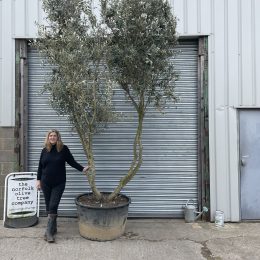
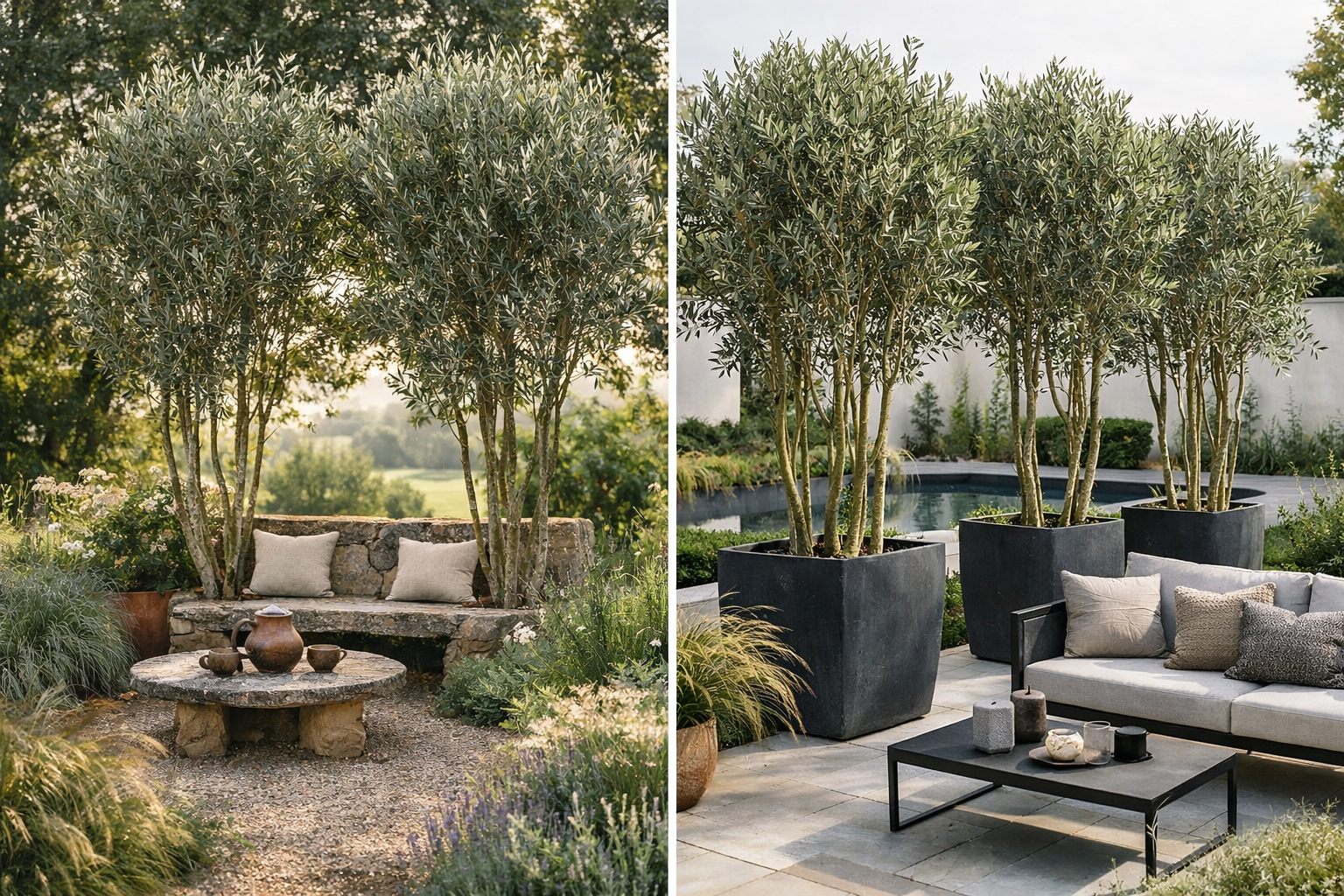
Multi-stem trees are particularly useful here. Their form allows light to filter through the trunks while still creating a visual division between areas. Designers often favour this softer separation, especially where privacy is needed but complete screening would feel oppressive.
Privacy Without Walls
Privacy is one of the most common reasons people plant trees, yet it is also one of the most misunderstood. True privacy in a garden isn’t about blocking everything out; it’s about controlling views and creating a sense of enclosure that still feels generous.
Trees achieve this balance beautifully. Unlike fences or walls, they move with the light and the seasons. Their leaves soften sightlines rather than abruptly stopping them, allowing gardens to feel private without becoming inward-looking.
Evergreen trees play a crucial role here, providing year-round structure and screening. In particular, trees with a light, airy canopy can reduce overlooking while maintaining openness. This is why designers so often turn to trees — including Mediterranean species — when creating calm, secluded spaces in residential gardens.
Evergreen Structure and the Importance of Winter Design
A garden in winter reveals the truth of its design. When flowers fade and borders retreat, it is the trees that remain, holding the space together.
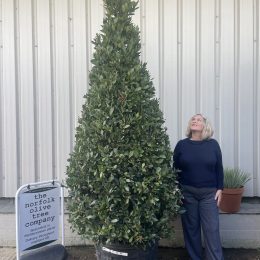
Evergreen trees offer consistency and reassurance. They anchor a garden through the seasons, ensuring it never feels bare or unfinished. Designers rely on them to provide structure, particularly in climates where winter gardens can otherwise feel sparse.
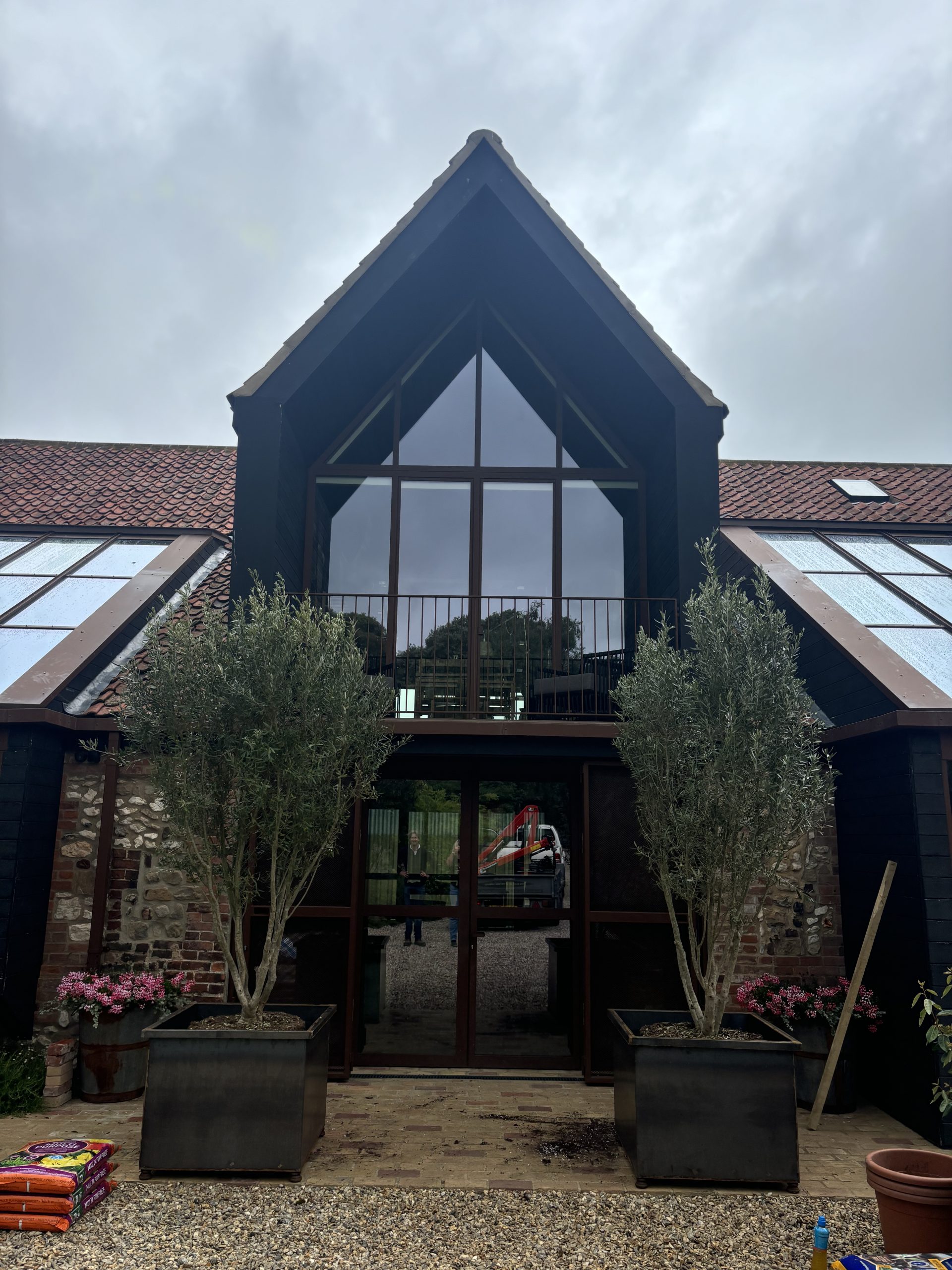
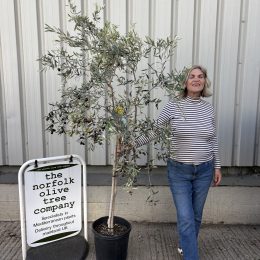
Olive trees, with their silvery evergreen foliage and strong architectural form, are a good example of this principle in action. They bring year-round presence without heaviness, and their restrained colour palette sits comfortably alongside both contemporary and traditional planting schemes.
Why Designers Choose Multi-Stem Trees
In recent years, multi-stem trees have become a defining feature of contemporary landscape design. Their appeal lies in their transparency and movement.
Unlike single-trunk trees, multi-stem forms allow glimpses through the structure, creating layers rather than solid blocks. This makes them ideal for smaller gardens, courtyards and terraces, where space must work harder and feel lighter.
Read more: The Tree as Architecture: How Garden Designers Shape Space with TreesDesigners often use multi-stem trees as focal points or as soft dividers between areas. Their sculptural quality adds interest even when planted alone, and their form feels deliberate without appearing formal. When used thoughtfully, they create a sense of rhythm and flow that is difficult to achieve with other planting.
Designing for Time, Not Trends
Perhaps the most important role trees play in garden design is their relationship with time. Unlike many garden features, trees are planted with the future in mind. They grow, mature and evolve, improving a garden rather than dating it.
This long-term perspective is central to good design. A garden should feel better after five, ten or twenty years — not just on the day it is finished. Trees make this possible, offering continuity in a world that often favours quick results.
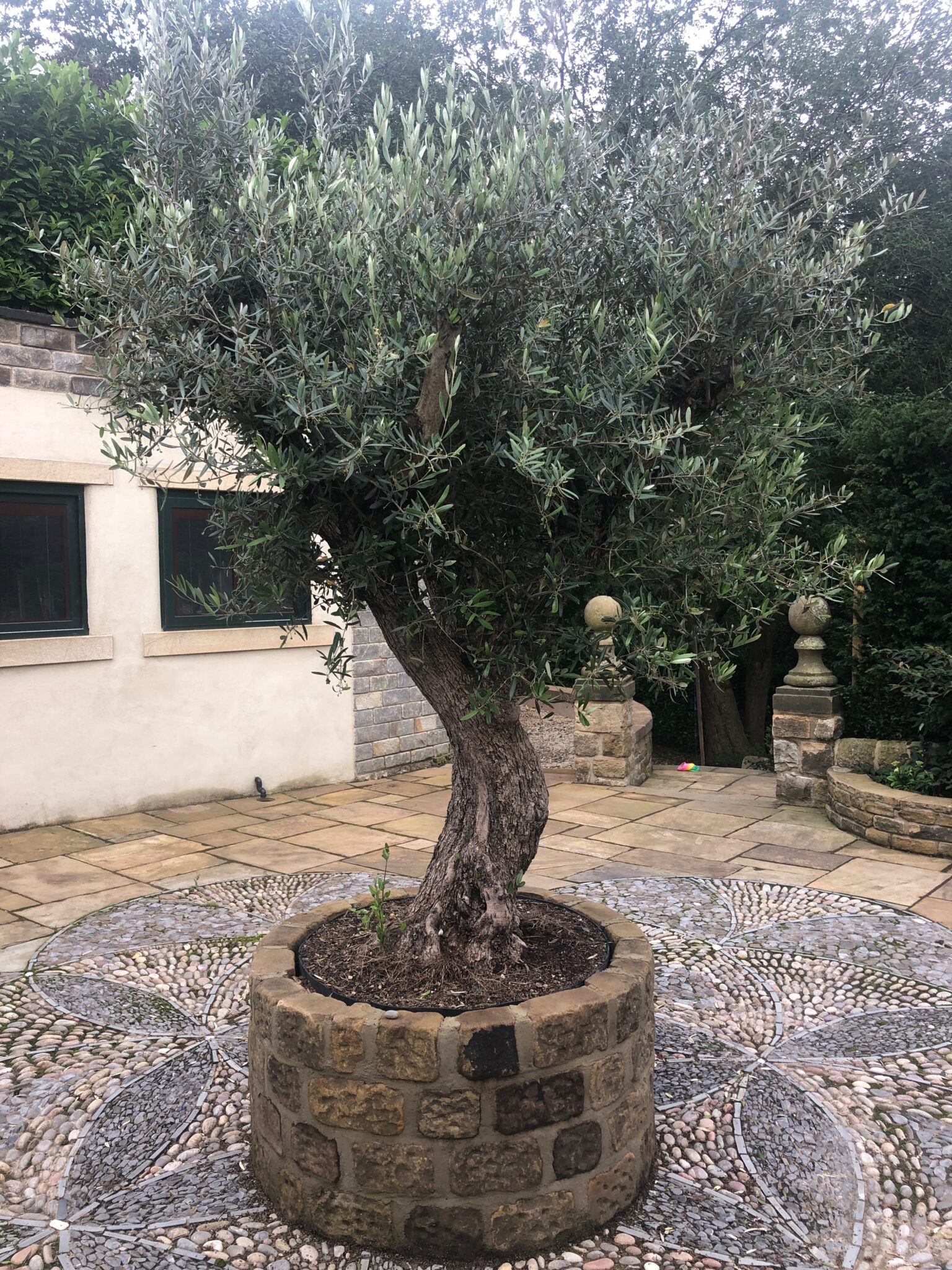
Planting trees is an act of optimism. It assumes care, patience and belief in the future of a space. In this sense, trees do more than shape gardens; they shape how we live with them.
Choosing Trees as Structure, Not Ornament
When trees are chosen for their structural role rather than purely decorative value, gardens gain clarity and purpose. Every other element — planting, paving, furniture — begins to make sense in relation to them.
This is why designers often start with trees when planning a space. They establish the bones of the garden, allowing everything else to follow naturally. Whether used to frame views, provide privacy or create calm, trees remain the most powerful design tool available.
FAQs:
Why do garden designers prioritise trees?
Trees provide structure, scale and long-term stability. They shape space in ways other plants cannot.
Are evergreen trees better for garden design?
Evergreen trees offer year-round structure and privacy, making them invaluable in climates with long winters.
What is the advantage of multi-stem trees?
Multi-stem trees create softer divisions, allow light through and add architectural interest without heaviness.
Can trees be used for privacy without blocking light?
Yes. Carefully chosen trees filter views rather than block them entirely, creating privacy while maintaining openness.