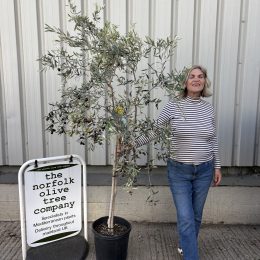
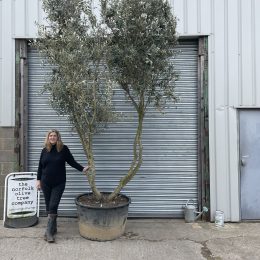
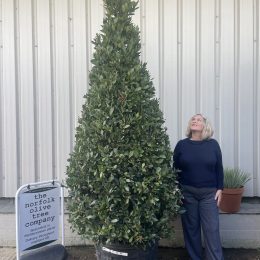
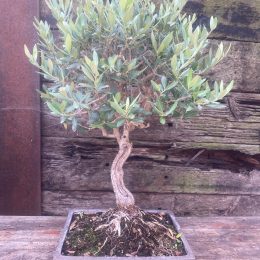
Large olive trees are chosen for one reason above all else: immediate presence.
Unlike smaller specimens that take years to develop structure, a large olive tree arrives with scale, maturity and authority already built in. For UK gardens, courtyards and commercial settings, they create instant Mediterranean character with very little waiting time.
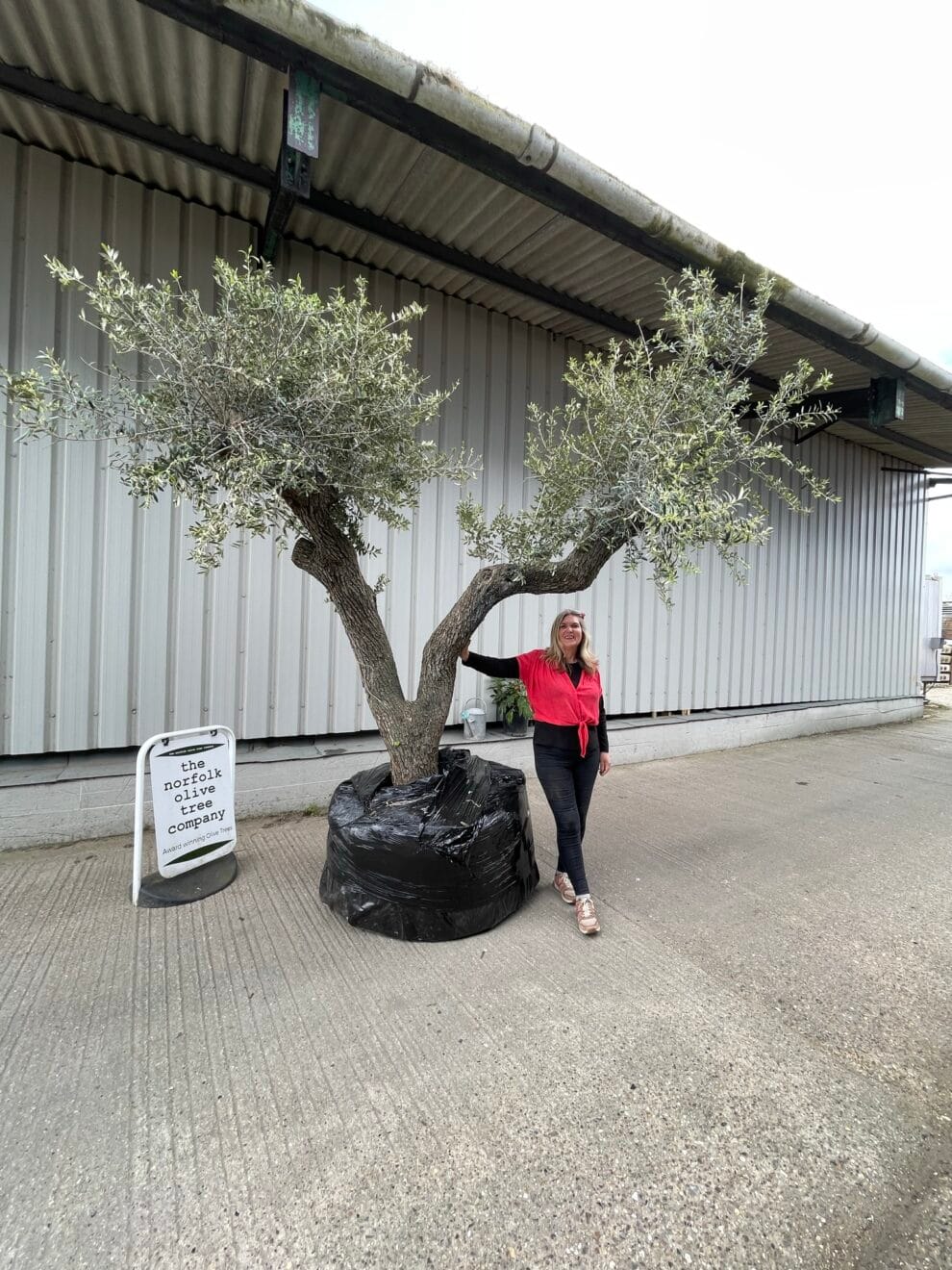
This guide explains what counts as a large olive tree, where they work best, and what to consider before buying one in the UK.
What Is Considered a Large Olive Tree?
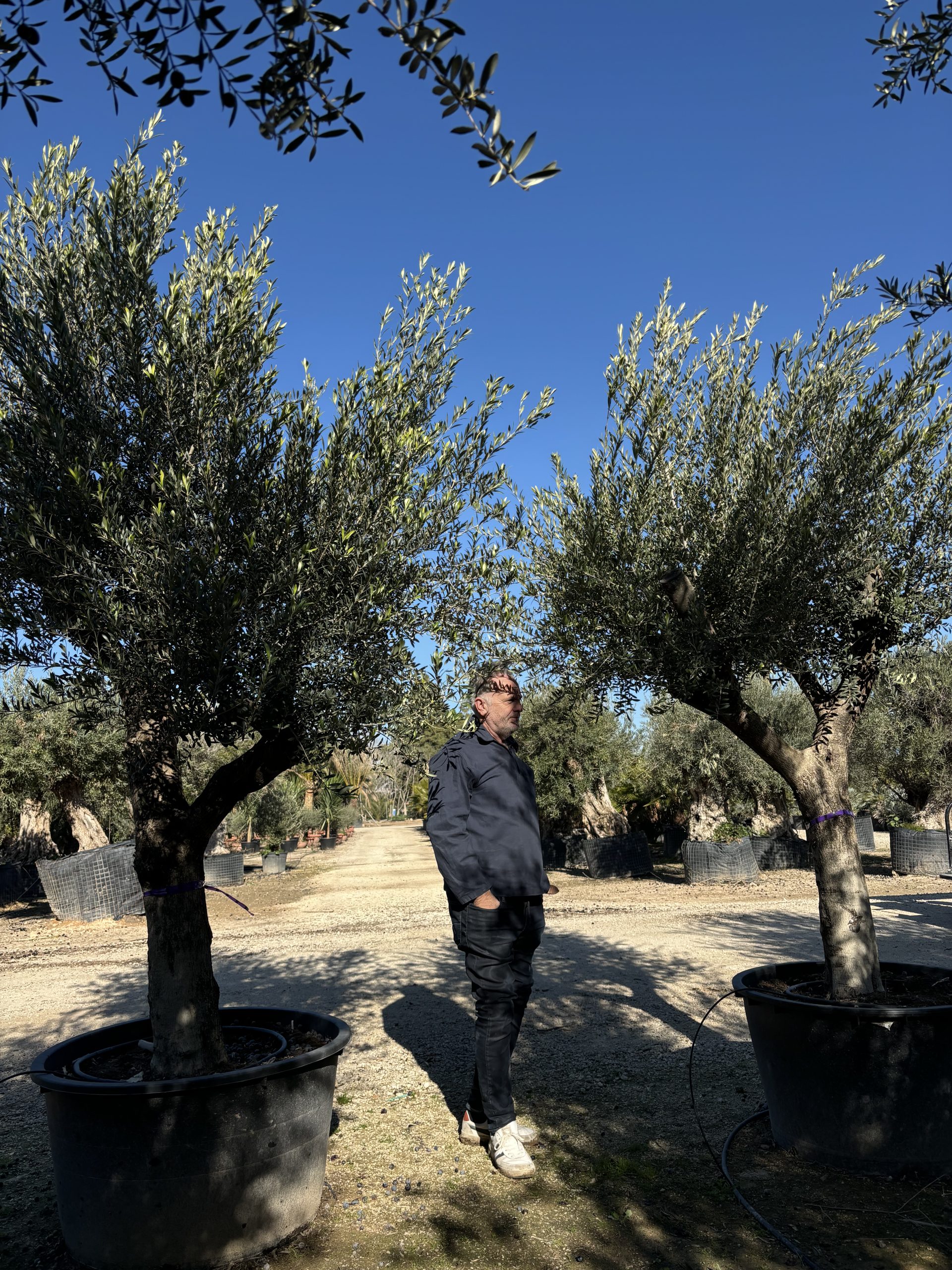
A large olive tree is defined by its height, trunk girth and canopy spread, rather than age alone.
In practical terms, large olive trees typically:
- Stand several metres tall once planted
- Have thick, well-formed trunks
- Offer strong structure and visual weight immediately
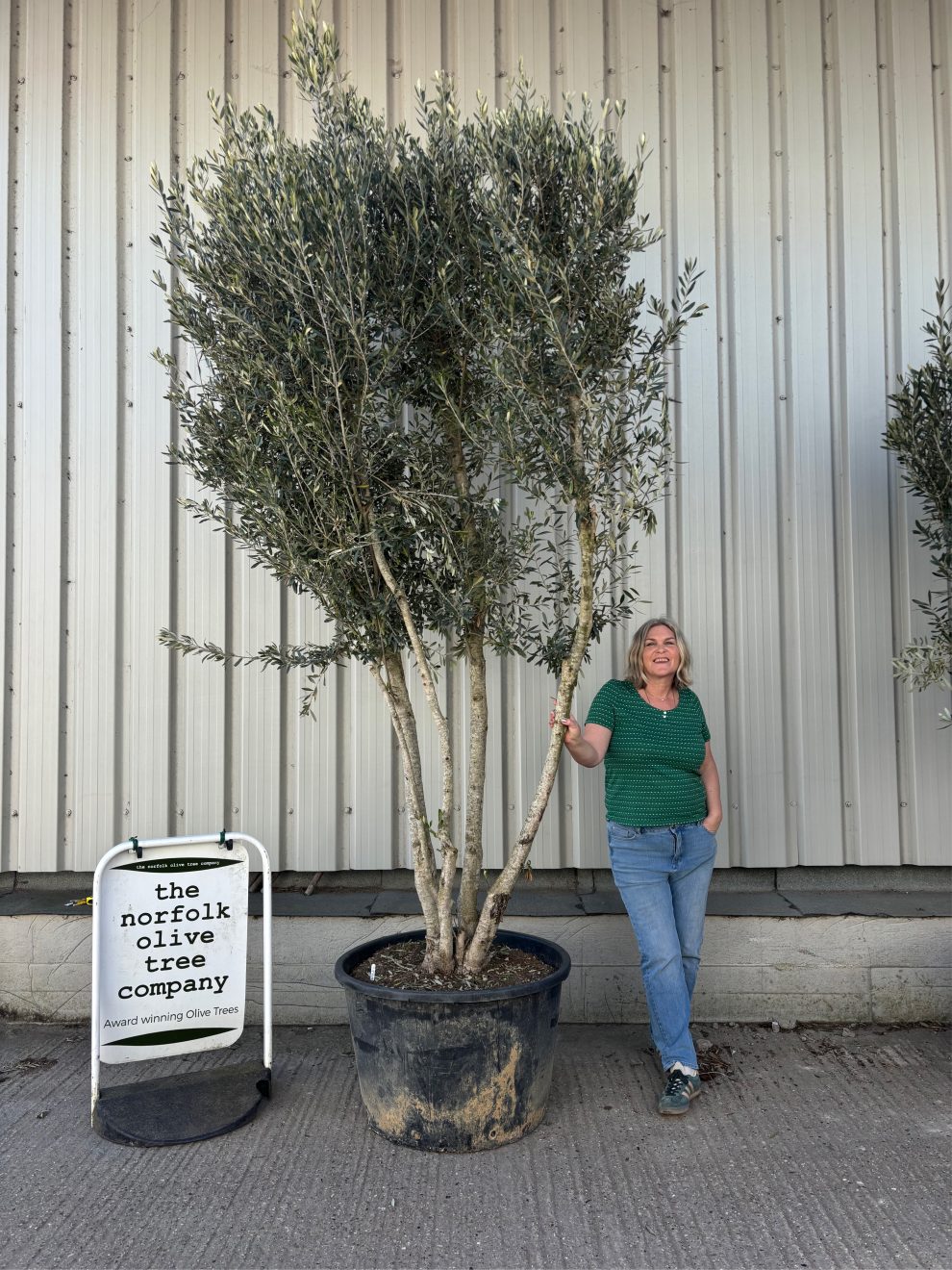
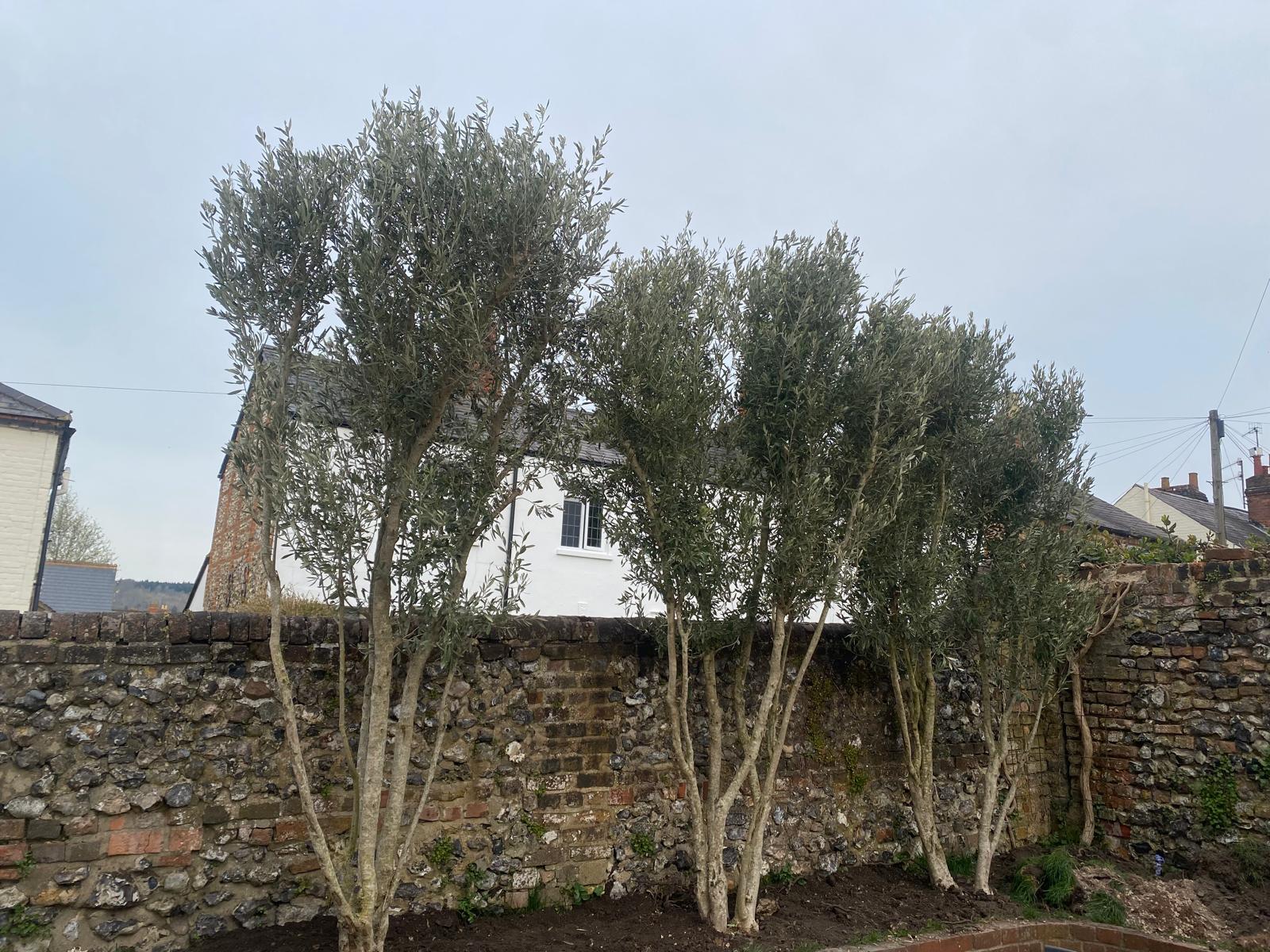
They are often used as focal points, framing features or architectural anchors within a landscape design. The multi-stem specimens are very popular with designers.
Why Choose a Large Olive Tree?
Large olive trees offer benefits that smaller trees simply cannot replicate.
They provide:
- Instant impact rather than gradual growth
- A sense of permanence and maturity
- Strong year-round structure, even in winter
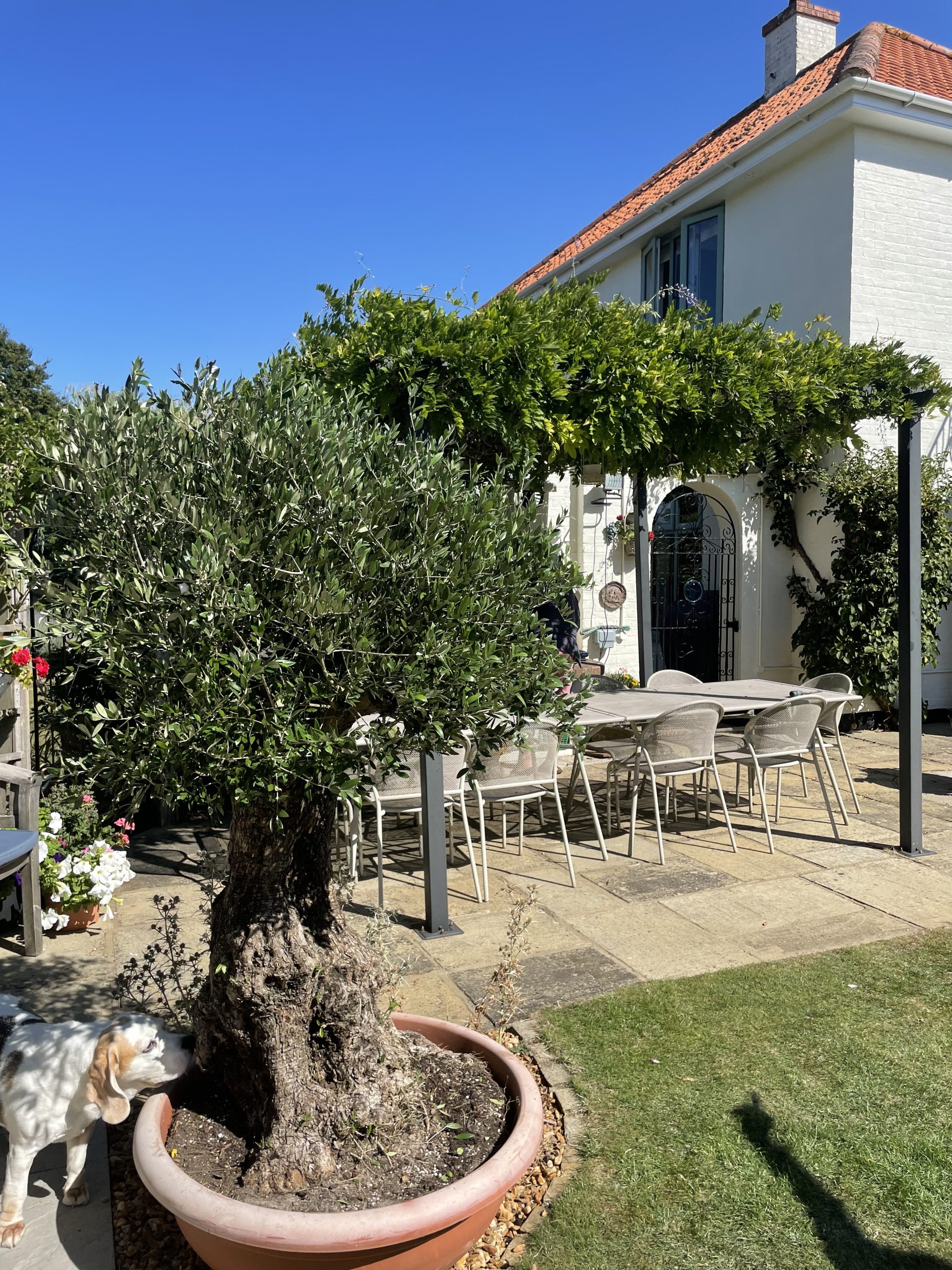
For buyers who want a space to feel “finished” quickly, large olive trees are the most effective choice.
Where Large Olive Trees Work Best
Private Gardens
Large olive trees suit:
- Lawns as central features
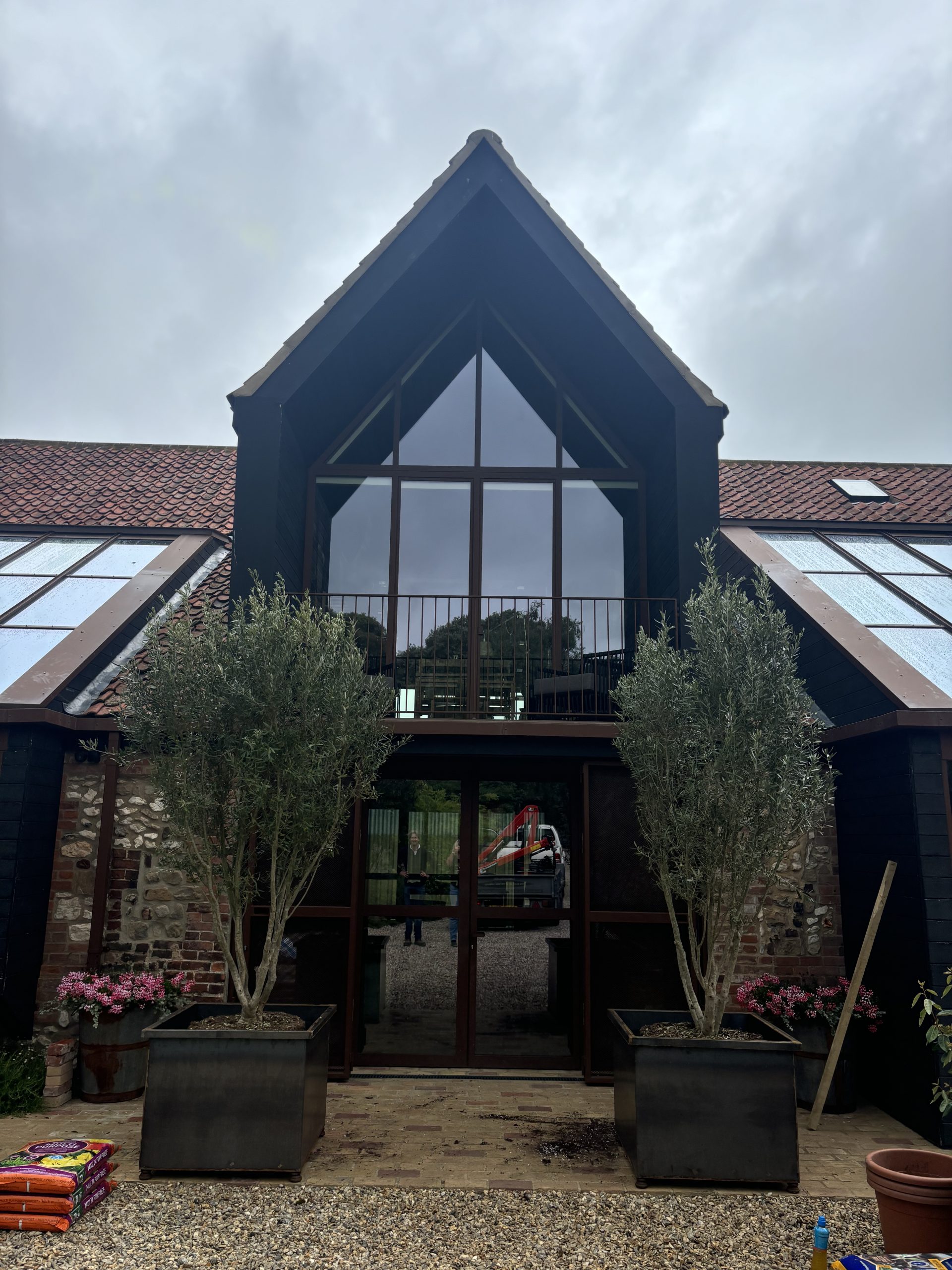
- Gravel courtyards
- Framing patios or terraces
They balance particularly well against modern architecture and traditional stonework alike.
Commercial & Hospitality Spaces
Restaurants, hotels and venues often choose olive trees like the Tortuga to:
- Create atmosphere immediately
- Soften hard landscaping
- Establish a Mediterranean identity
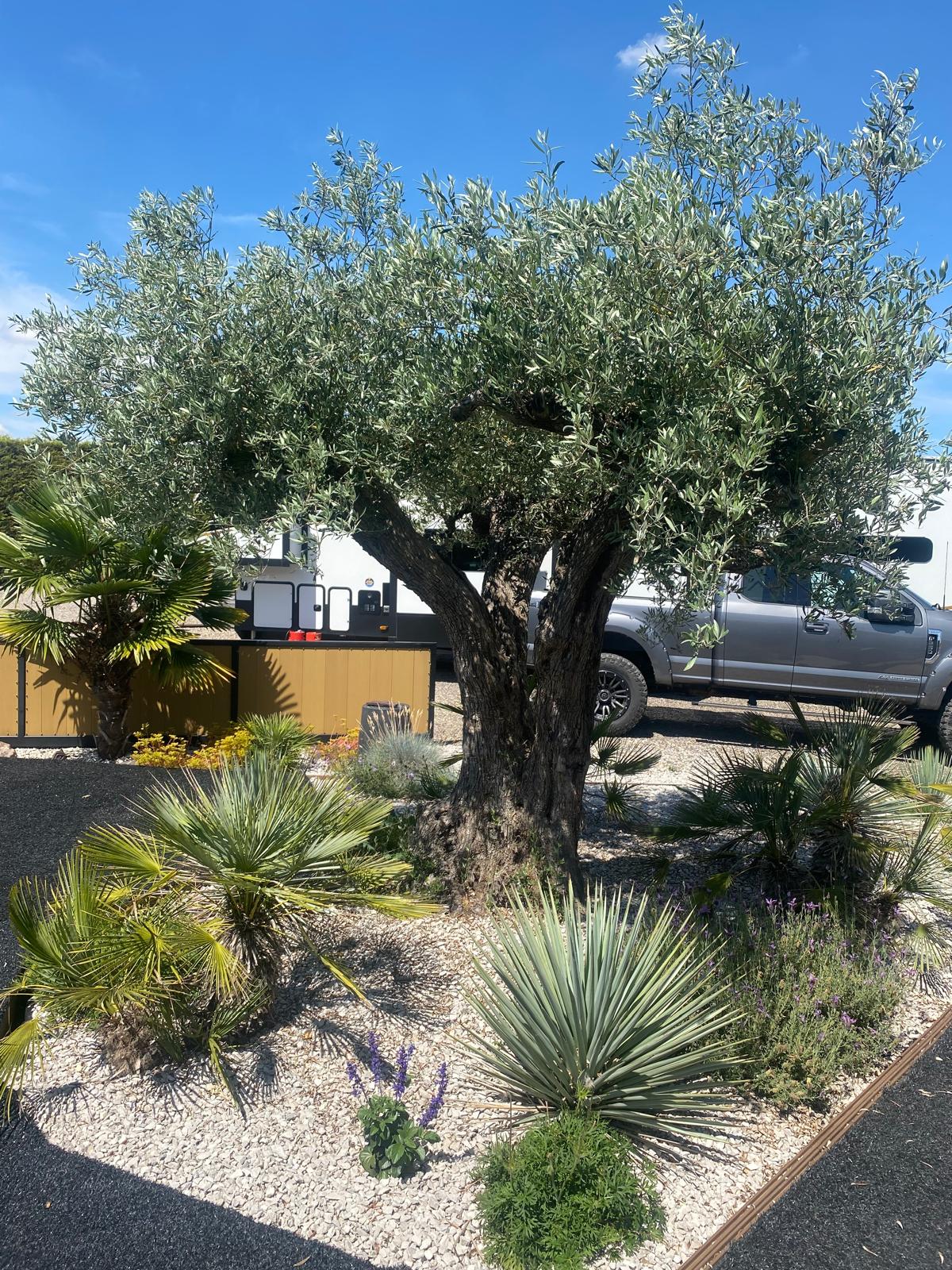
Their durability and low-intervention nature make them ideal for public-facing spaces.
Planting and Positioning Large Olive Trees
Positioning matters more with large specimens.
Large olive trees should be:
- Given space to be viewed properly
- Positioned where their canopy can be appreciated
- Planted with long-term scale in mind
A specialist will advise on placement to ensure the tree enhances the space rather than overpowering it.
Maintenance Expectations for Large Olive Trees
Despite their size, larger varieties are not high maintenance.
Once established, they require:
- Minimal intervention
- Occasional shaping rather than constant pruning
- Good drainage and sensible positioning
Their slow growth rate means they retain their form for many years with little adjustment.
Large Olive Trees Available Now
At The Norfolk Olive Tree Company, large olive trees are selected individually for:
- Structure
- Character
- Suitability for UK conditions
Each tree is prepared carefully for transplanting and supplied with specialist insight on placement and long-term success.
👉 View large olive trees available now and choose a statement tree with lasting presence.
Frequently Asked Questions
How tall are they once planted?
Specimen trees such as these vary in height, but many stand several metres tall once planted. Height depends on the individual specimen, canopy shape and planting position rather than age alone.
Are large olive trees suitable for UK gardens?
Yes. When properly sourced and acclimatised, they establish successfully in UK gardens. Specialist selection ensures they are suited to British climate conditions.
Do larger specimen olives need more maintenance than smaller ones?
No. They are slow-growing and typically require minimal maintenance once established. Their size does not increase care requirements when planted correctly.
Can your trees be delivered across the UK?
Yes. Large olive trees can be delivered nationwide across mainland UK using specialist handling and transport methods designed for mature specimens.