How to Create a Mediterranean Garden in the UK
Dreaming of sun-drenched terraces, soft silver foliage, and the relaxed elegance of southern Europe? The good news is that creating a Mediterranean garden in the UK is not only possible—it’s one of the most effective ways to transform your outdoor space into a warm, inviting retreat.
With the right planting, structure, and materials, you can recreate the timeless atmosphere of a Mediterranean landscape—combining architectural plants, natural textures, and a sense of effortless style.
In this guide, we’ll show you exactly how to design and plant a Mediterranean garden that thrives in the UK climate.
What is a Mediterranean Garden?
A Mediterranean garden is defined by its balance of structure, texture, and simplicity. Inspired by landscapes found in southern Europe, these gardens focus on:
- Architectural planting
- Drought-tolerant species
- Open, sun-filled layouts
- Natural materials such as stone and gravel
The result is a space that feels calm, elegant, and designed for outdoor living.
Why Mediterranean Gardens Work So Well in the UK
Despite the differences in climate, many Mediterranean plants adapt beautifully to British gardens.
Key advantages:
- Thrive in sunny, sheltered positions
- Well-suited to free-draining soils
- Low maintenance once established
- Provide year-round structure
Mediterranean planting is particularly effective in urban gardens, courtyards, and south-facing spaces where heat builds naturally.
Step 1: Start with Structure (The Foundation of the Design)
Every successful Mediterranean garden begins with strong structure.
This is where statement plants play a crucial role.
Key structural elements:
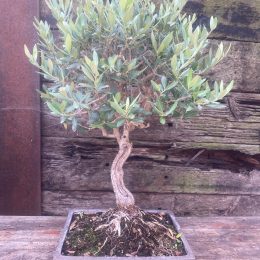
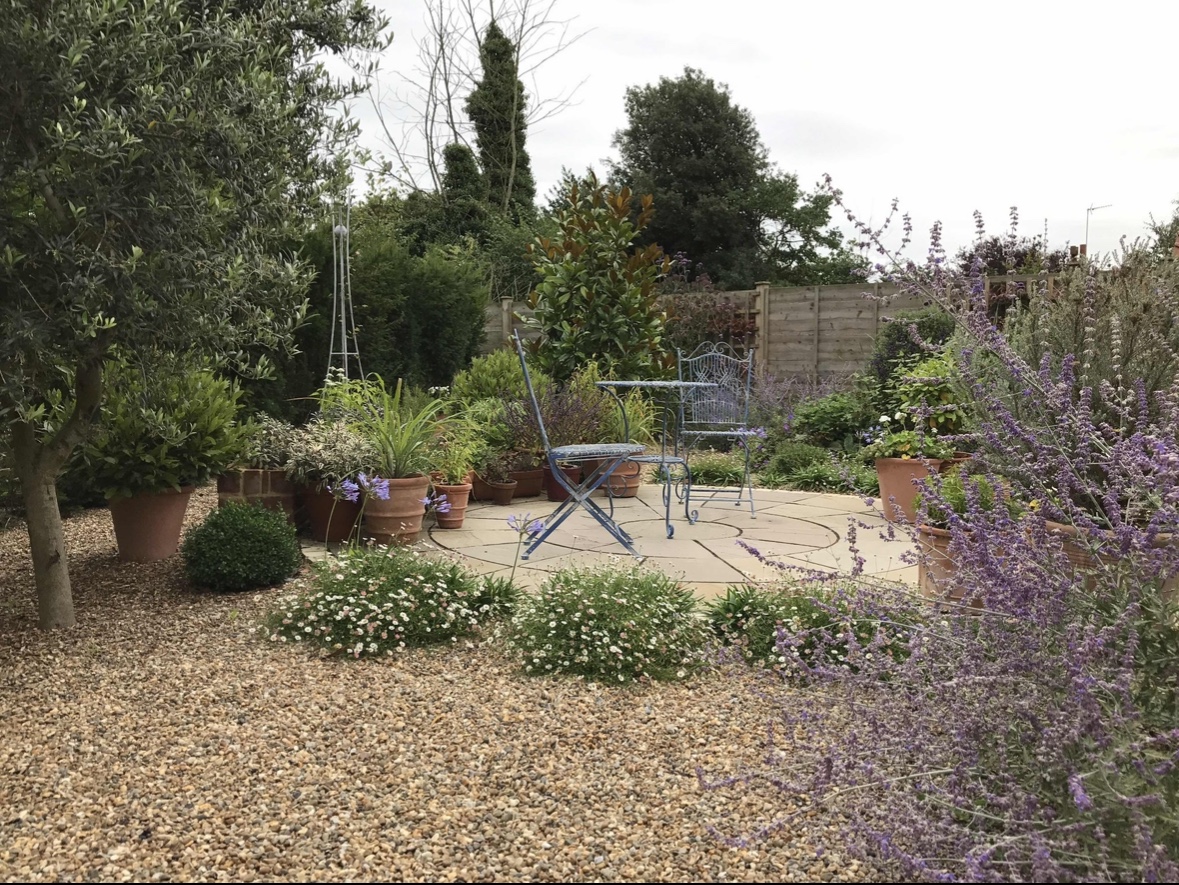
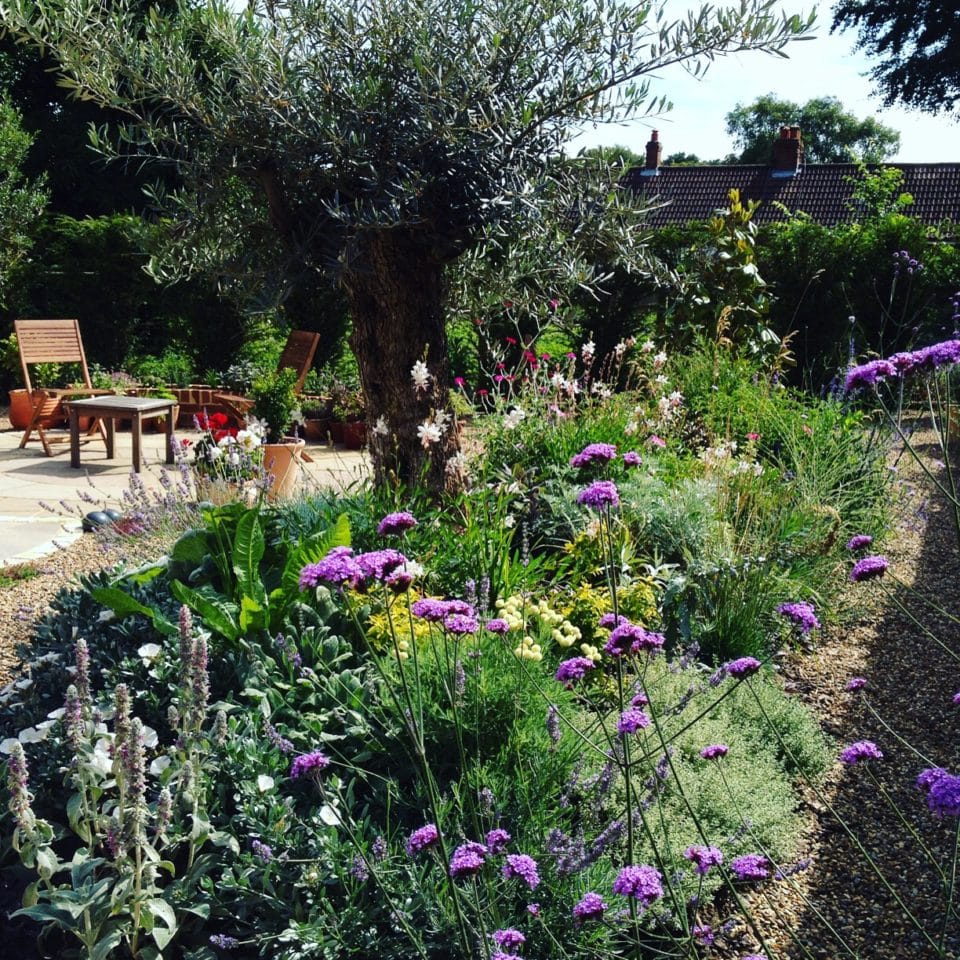
- Olive trees (focal points)
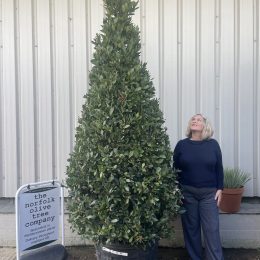
- Architectural shrubs
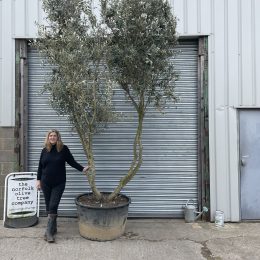
- Multi-stem specimens
These anchor the space and create the framework around which everything else is built.
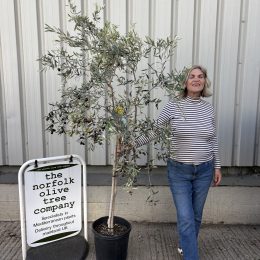
Structural planting—particularly ancient olive trees—creates a timeless focal point, bringing both character and presence to the space.
Step 2: Choose the Right Mediterranean Plants
The planting palette is essential to achieving the look.
Core plant types:
Architectural Plants
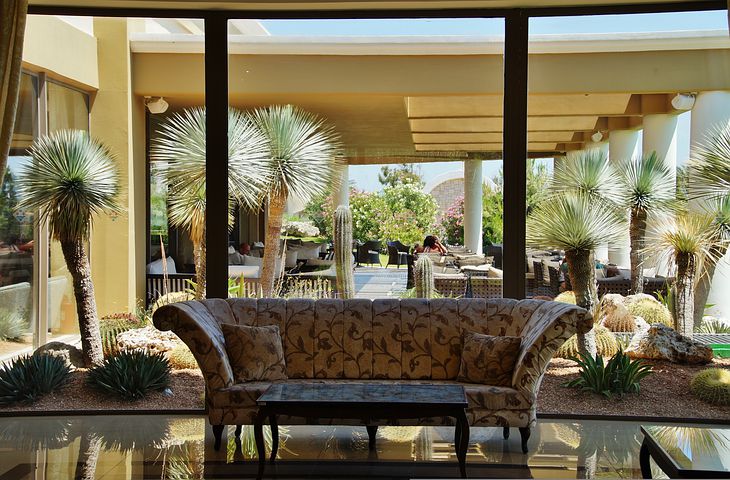
- Olive trees
- Palms
- Evergreen shrubs
Softening Plants
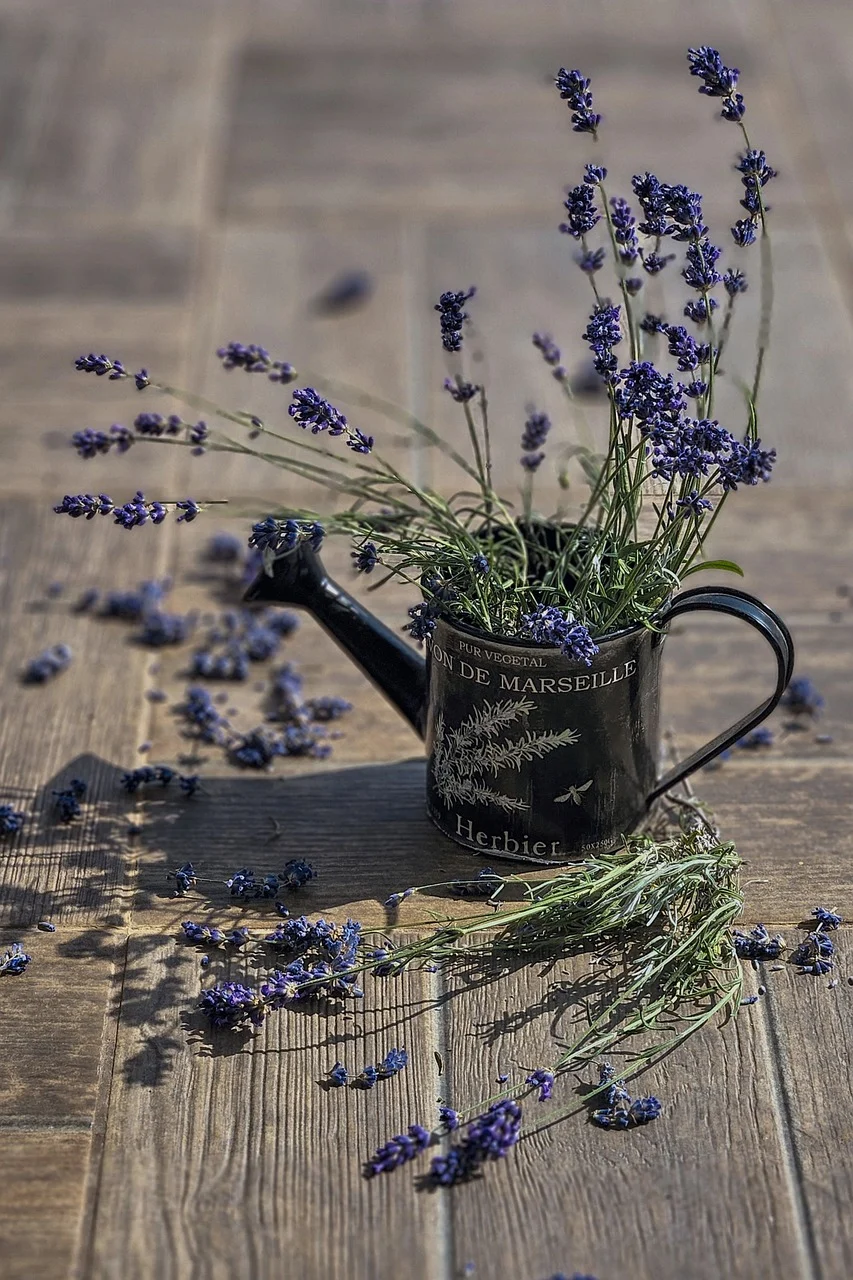
- Lavender
- Rosemary
- Thyme
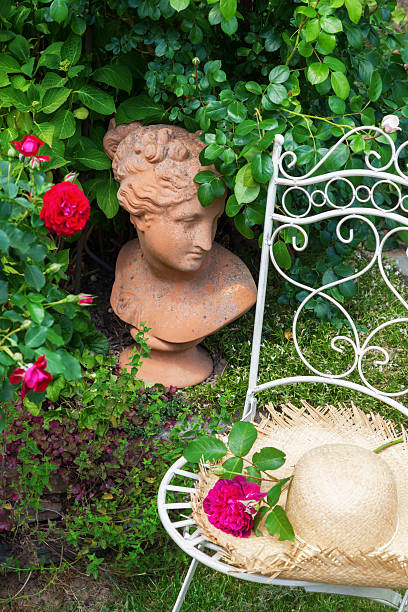
- Geraniums and climbing roses
Feature Plants
- Cloud-pruned specimens
- Sculptural topiary
Step 3: Use Gravel, Stone and Terracotta
Hard landscaping is just as important as planting.
Key materials:
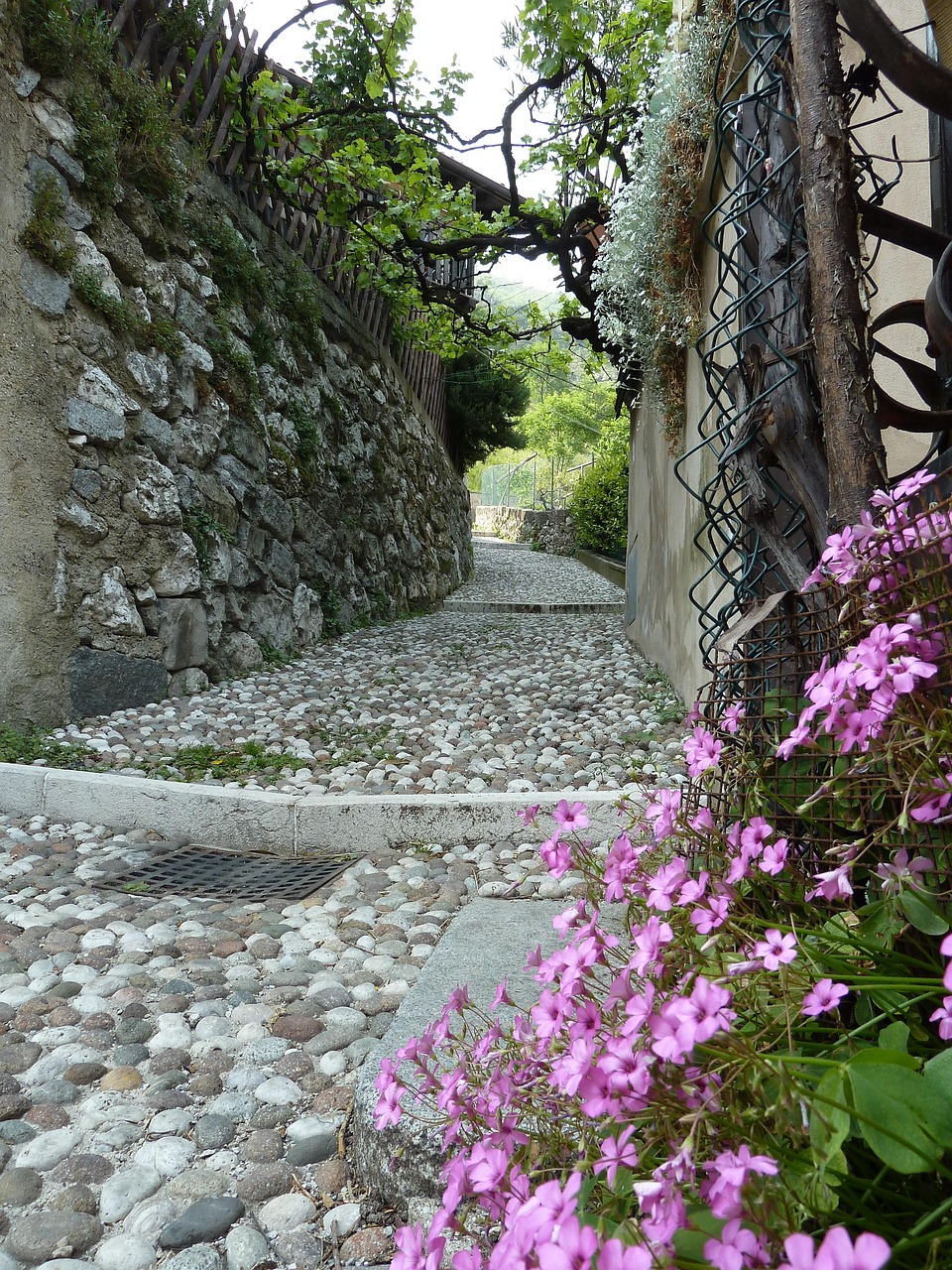
- Gravel for pathways and ground cover
- Natural stone paving
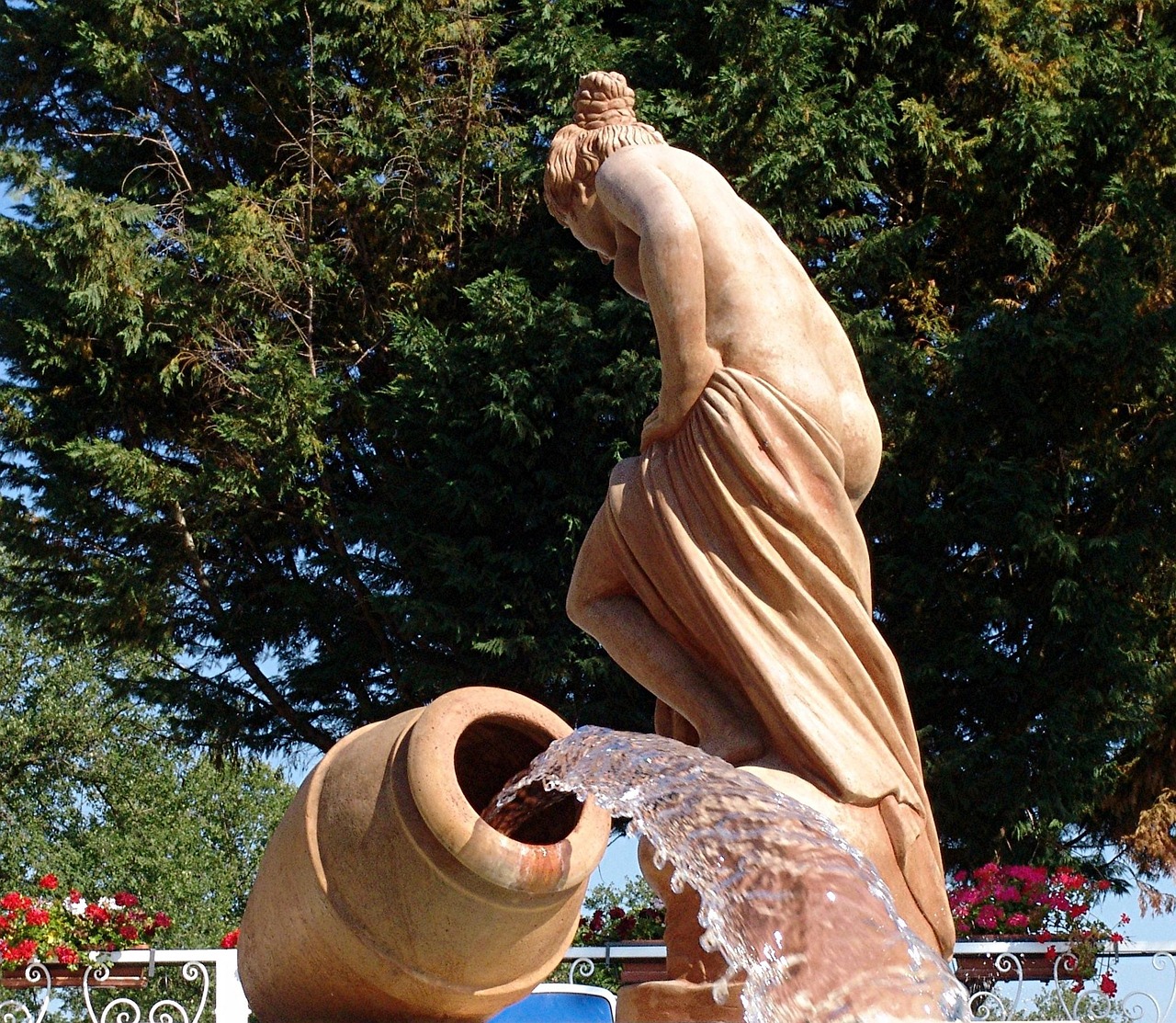
- Terracotta pots and planters
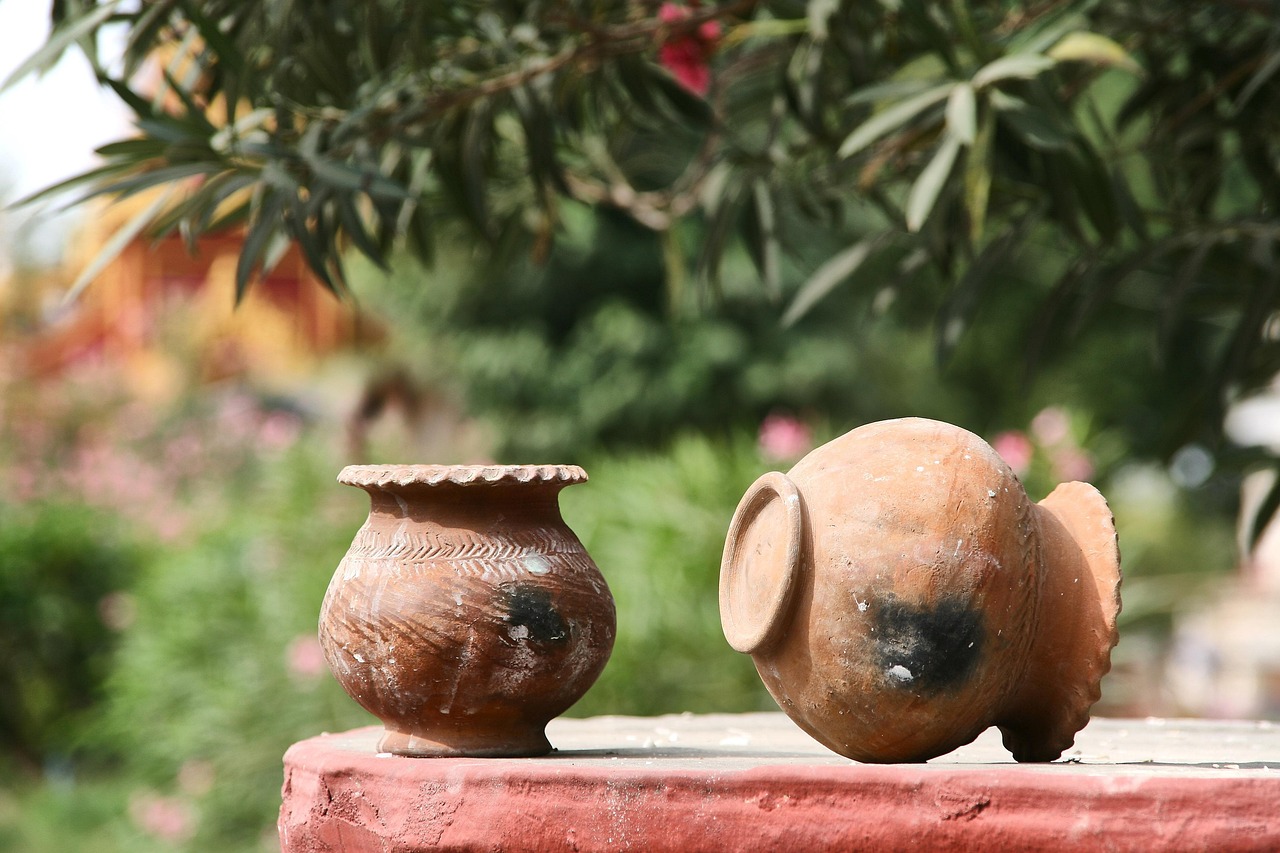
These materials:
- Reflect heat
- Improve drainage
- Enhance the Mediterranean aesthetic
These combinations create contrast between structure and movement—one of the defining characteristics of Mediterranean design.
Step 4 :Create a Place to Relax and Dine Outdoors
its heart, a Mediterranean garden is not just about planting—it’s about how the space is lived in.
Across southern Europe, gardens and terraces have long been places of gathering, where food, conversation, and time itself seem to slow. This way of life has been captured for centuries by artists such as Claude Monet and Pierre-Auguste Renoir, whose paintings often depict figures dining outdoors, surrounded by soft light, foliage, and the warmth of long summer afternoons.
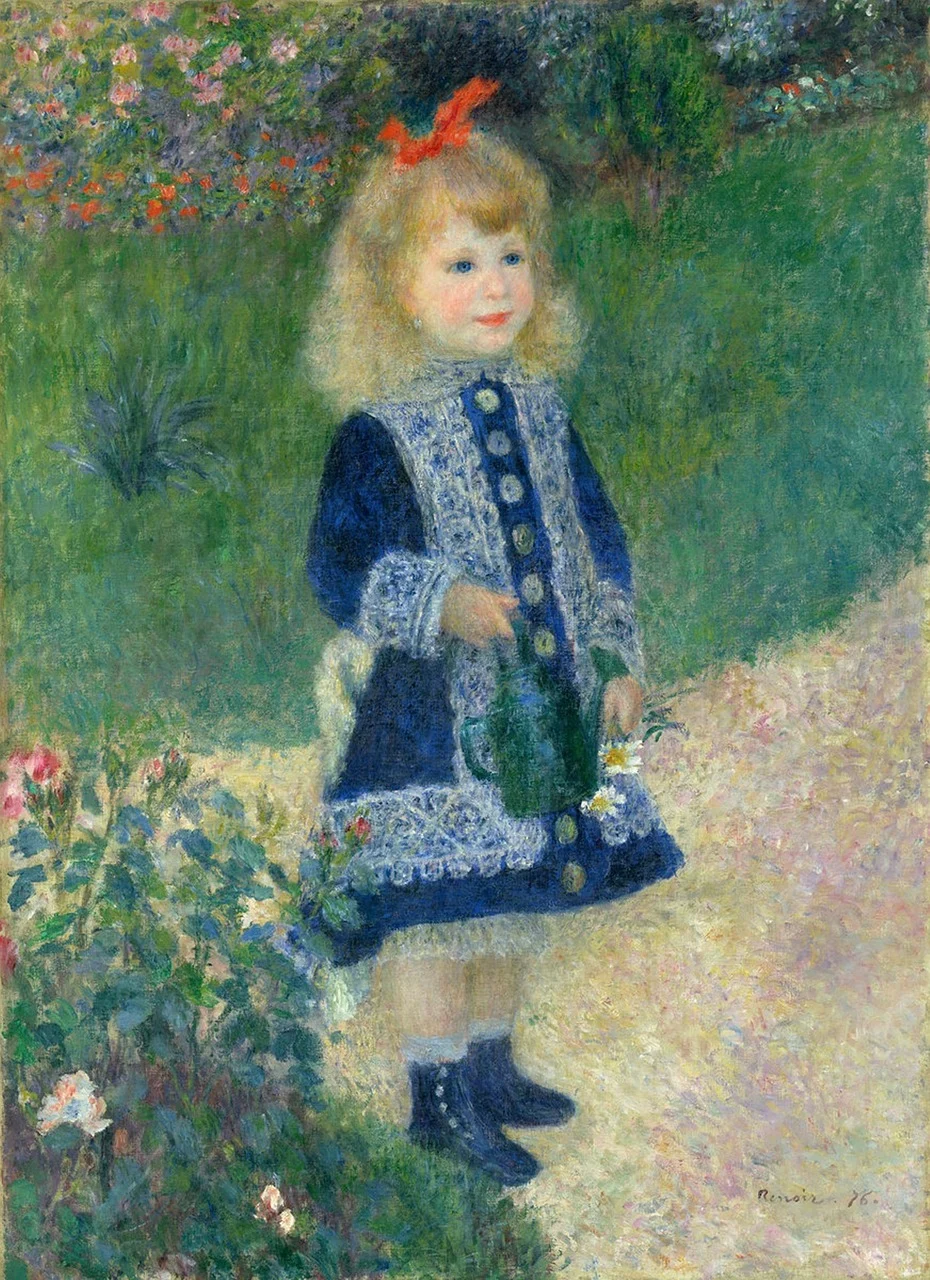
To recreate this feeling in your own garden, think beyond planting and consider how the space will be used.
Key elements to include:
- A relaxed outdoor dining area
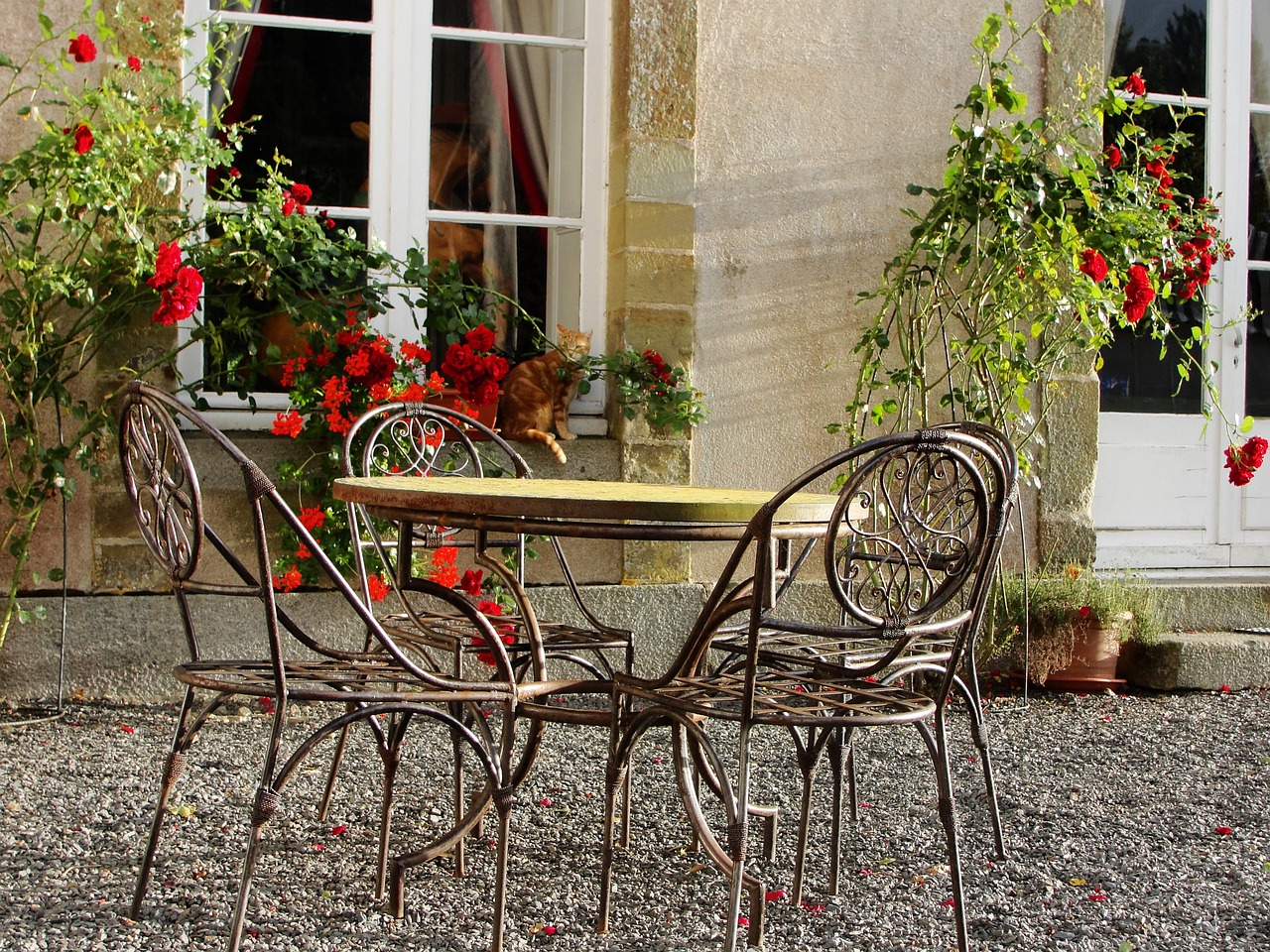
- Natural materials such as wood, stone, or wrought iron
- Soft textiles and cushions for comfort
- Gentle shade from trees, pergolas, or parasols
Introduce the suggestion of abundance and informality—terracotta pots overflowing with herbs and geraniums,the silvery tones of olive trees, and if space allows, the addition of grapevines weaving through pergolas or along walls.
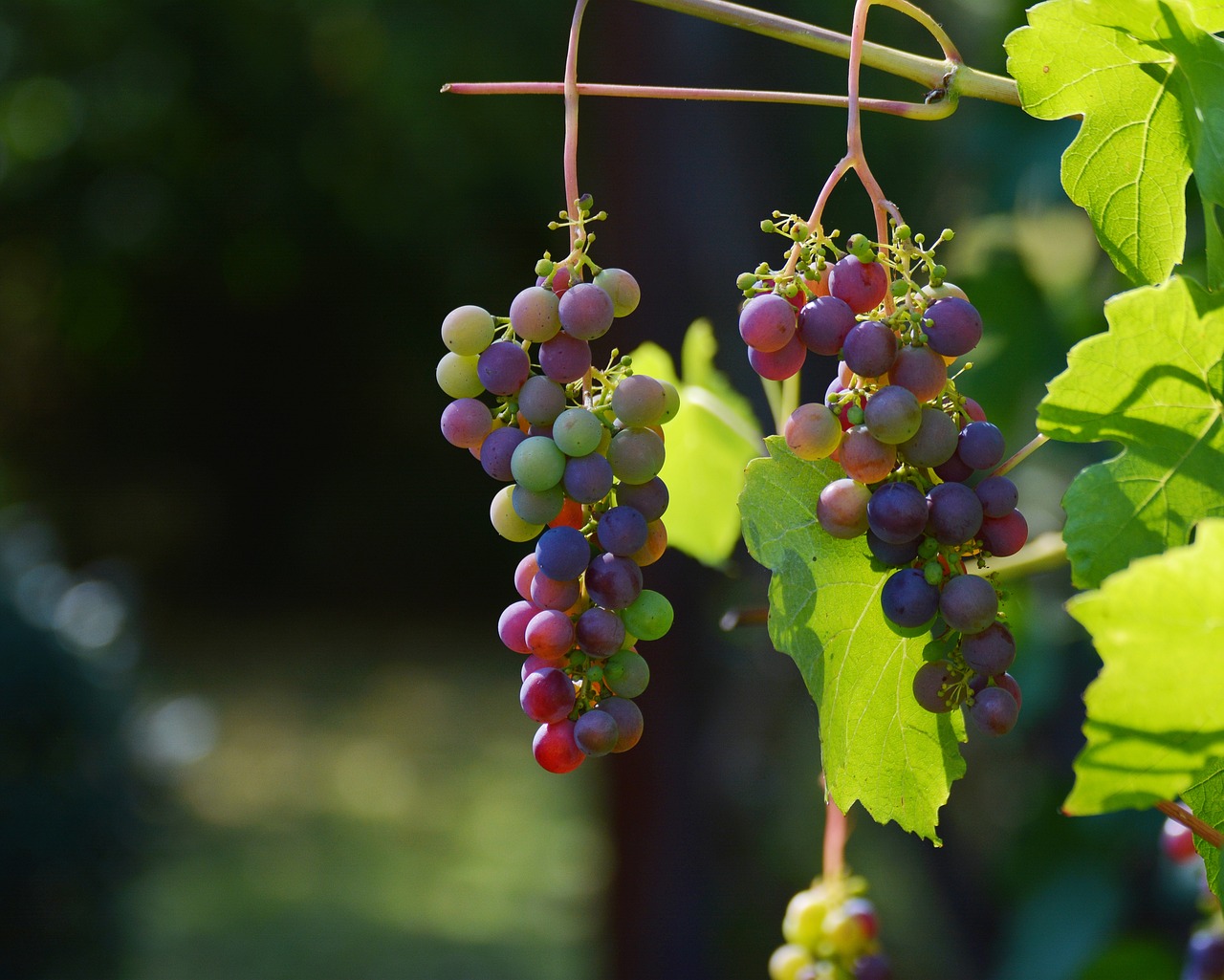
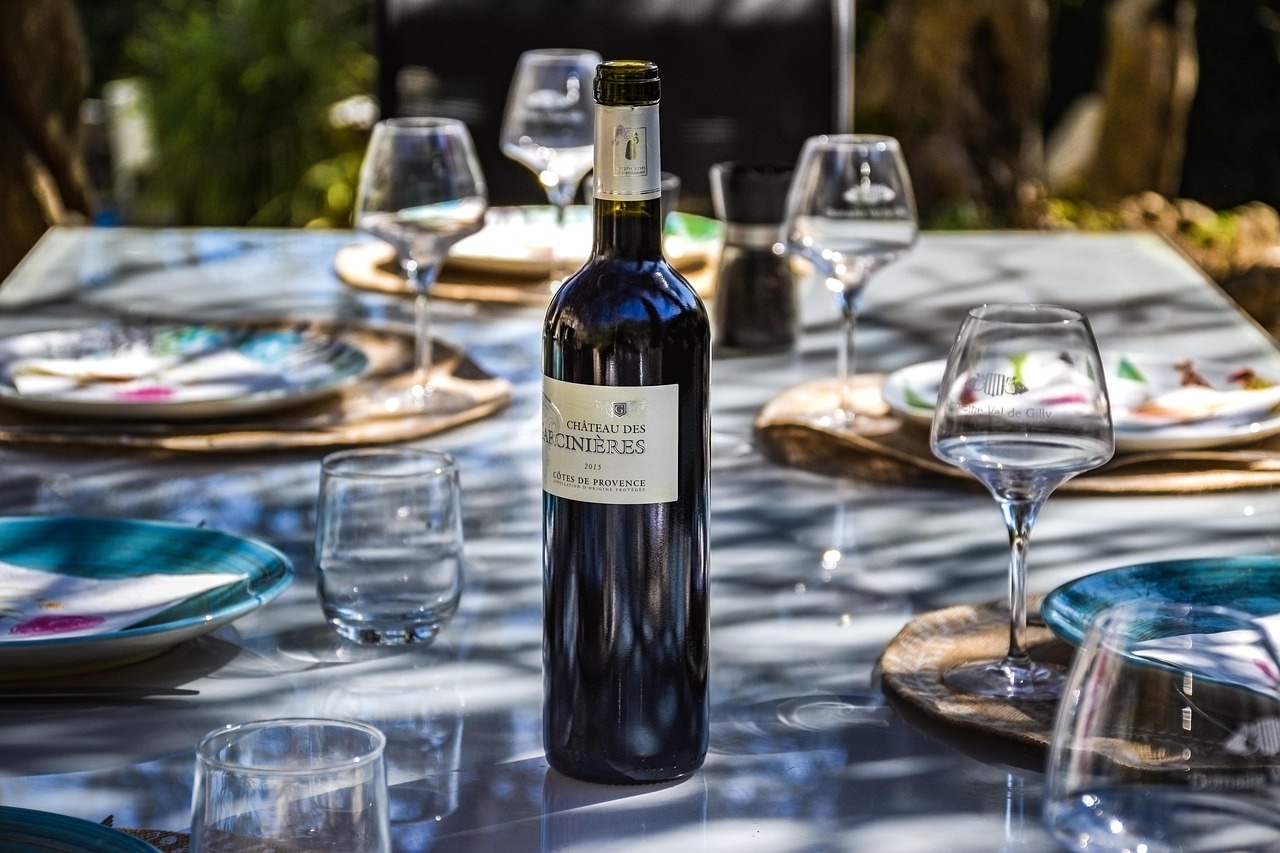
A simple table, a bottle of wine, and dappled sunlight filtering through leaves can transform even a modest space into something evocative of a Mediterranean terrace.
This is where the garden becomes more than a design—it becomes an experience.
Statement planting such as olive trees for sale provides an instant focal point, anchoring the design and setting the tone for the entire garden.
Mediterranean Garden FAQs
What are the best Mediterranean plants for UK gardens?
Olive trees, palms, lavender, rosemary, and architectural evergreens are among the best choices for creating a Mediterranean-style garden in the UK. These plants provide structure, texture, and a sun-loving aesthetic
Can you grow palms in a Mediterranean garden in the UK?
Yes, many palms are well-suited to UK gardens, particularly in sunny, sheltered positions. They are an excellent way to introduce height and a more tropical Mediterranean feel.
Can you create a Mediterranean garden in the UK climate?
Yes, many Mediterranean plants thrive in the UK when planted in well-drained soil and positioned in sunny areas. Choosing the right plants is key to long-term success.
How do I make my garden look Mediterranean?
Focus on structure and simplicity. Use olive trees, palms, and drought-tolerant plants alongside gravel, terracotta, and natural stone to create a relaxed, sun-inspired space.
Are Mediterranean gardens low maintenance?
Yes, once established, Mediterranean gardens are generally low maintenance and require less frequent watering than traditional planting styles.