
Brahea edulis (Guadalupe Palm) — A Rare, Architectural Palm for UK Gardens
Overview & Common Names
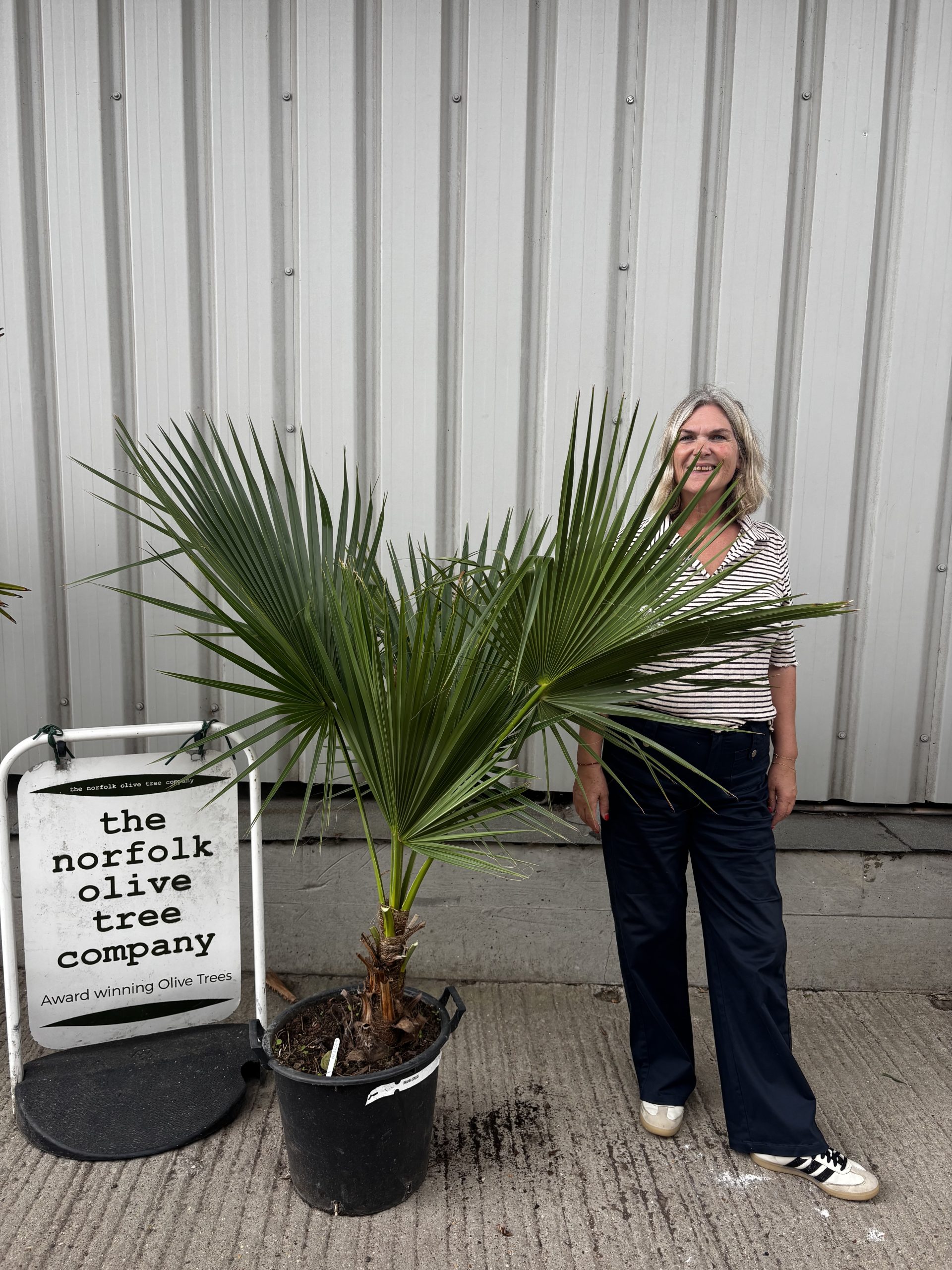
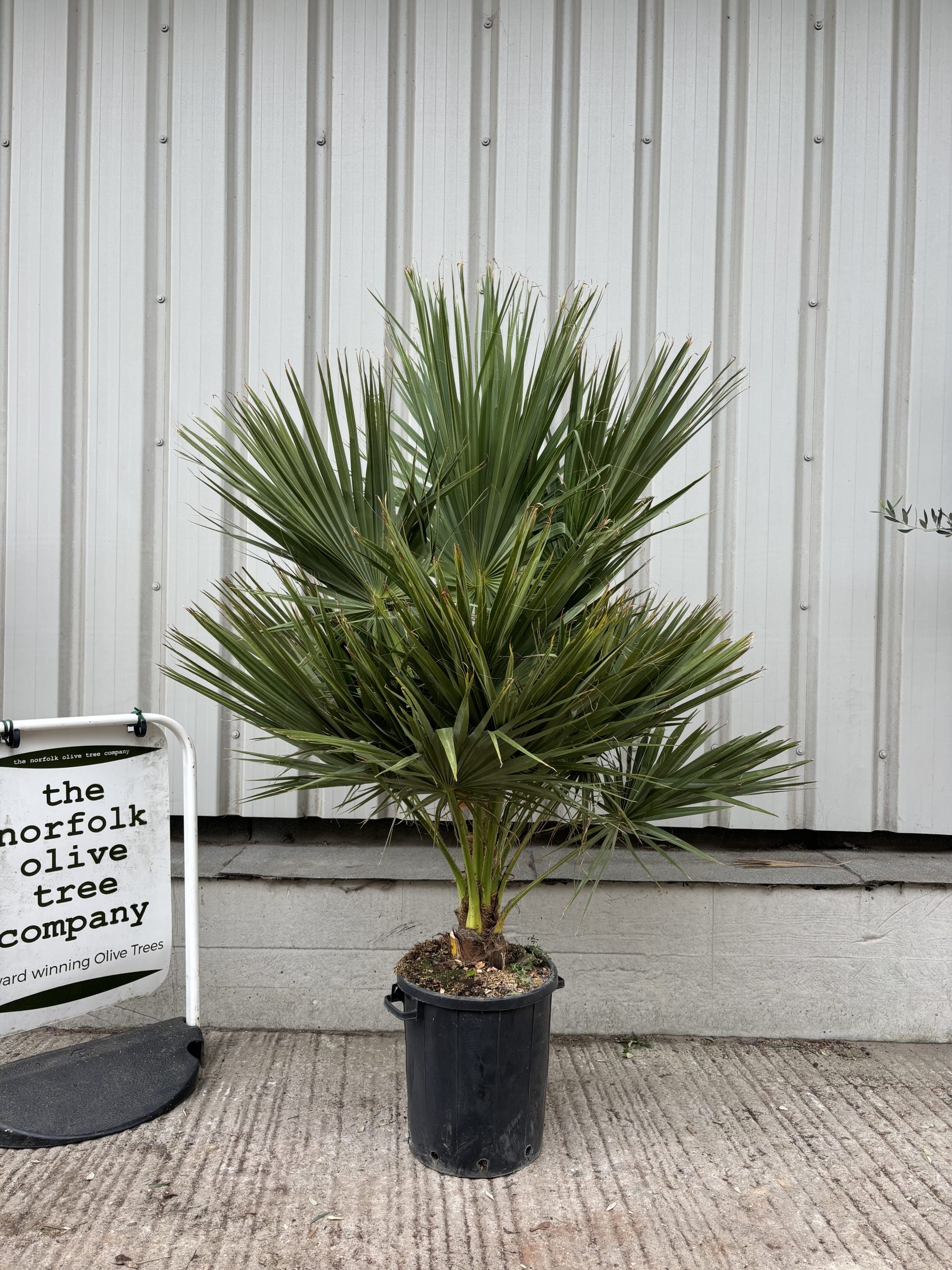
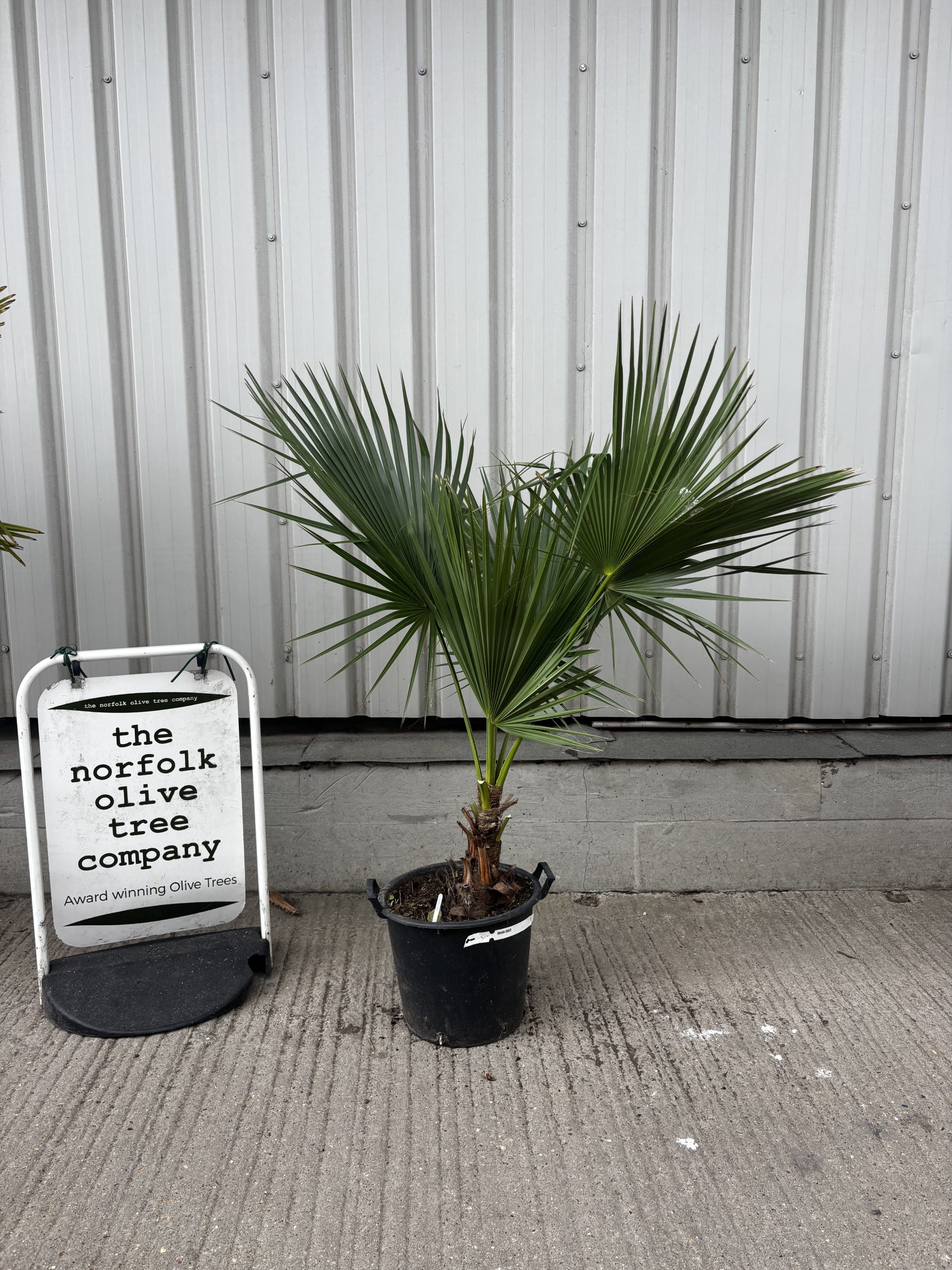
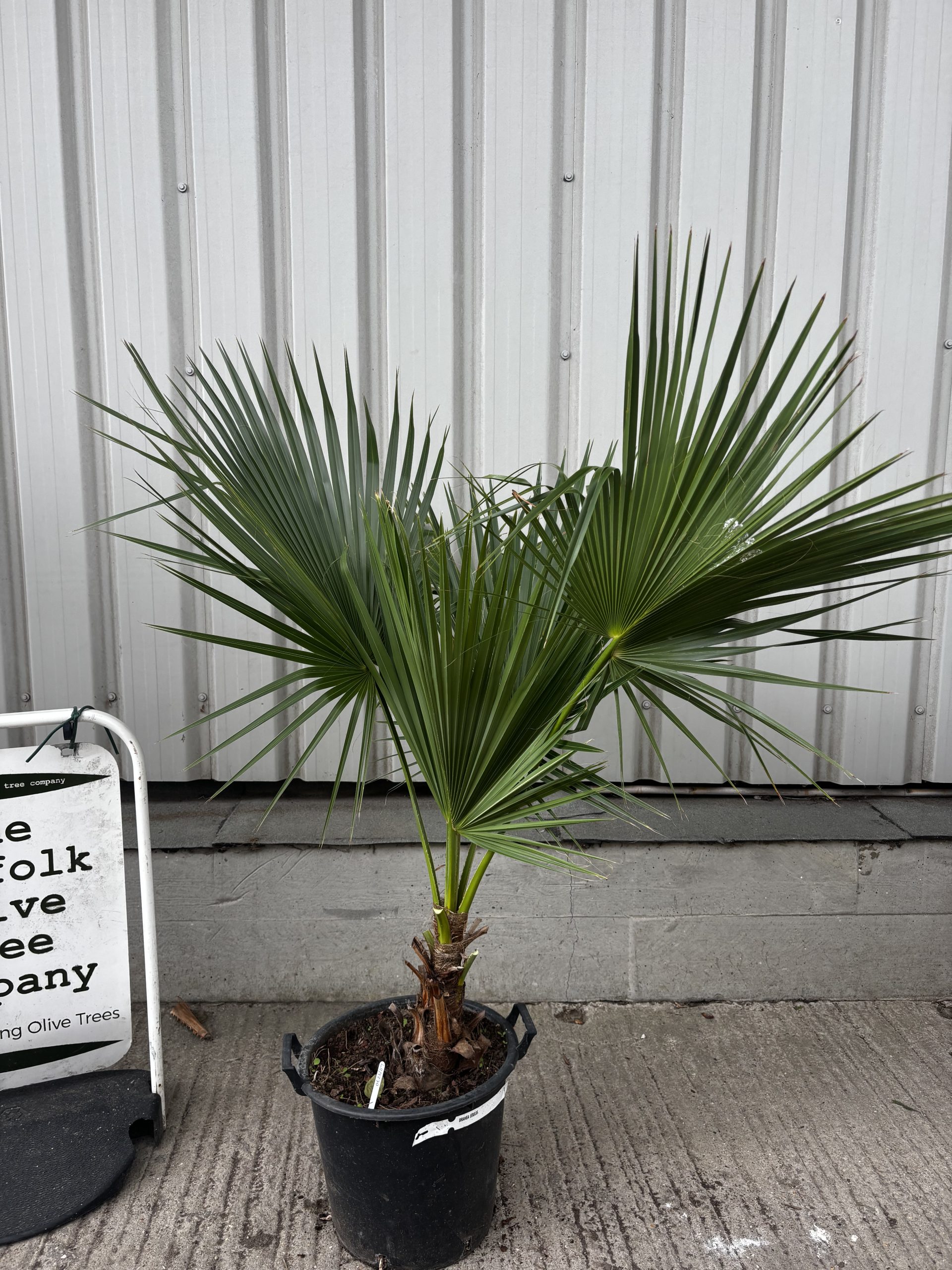
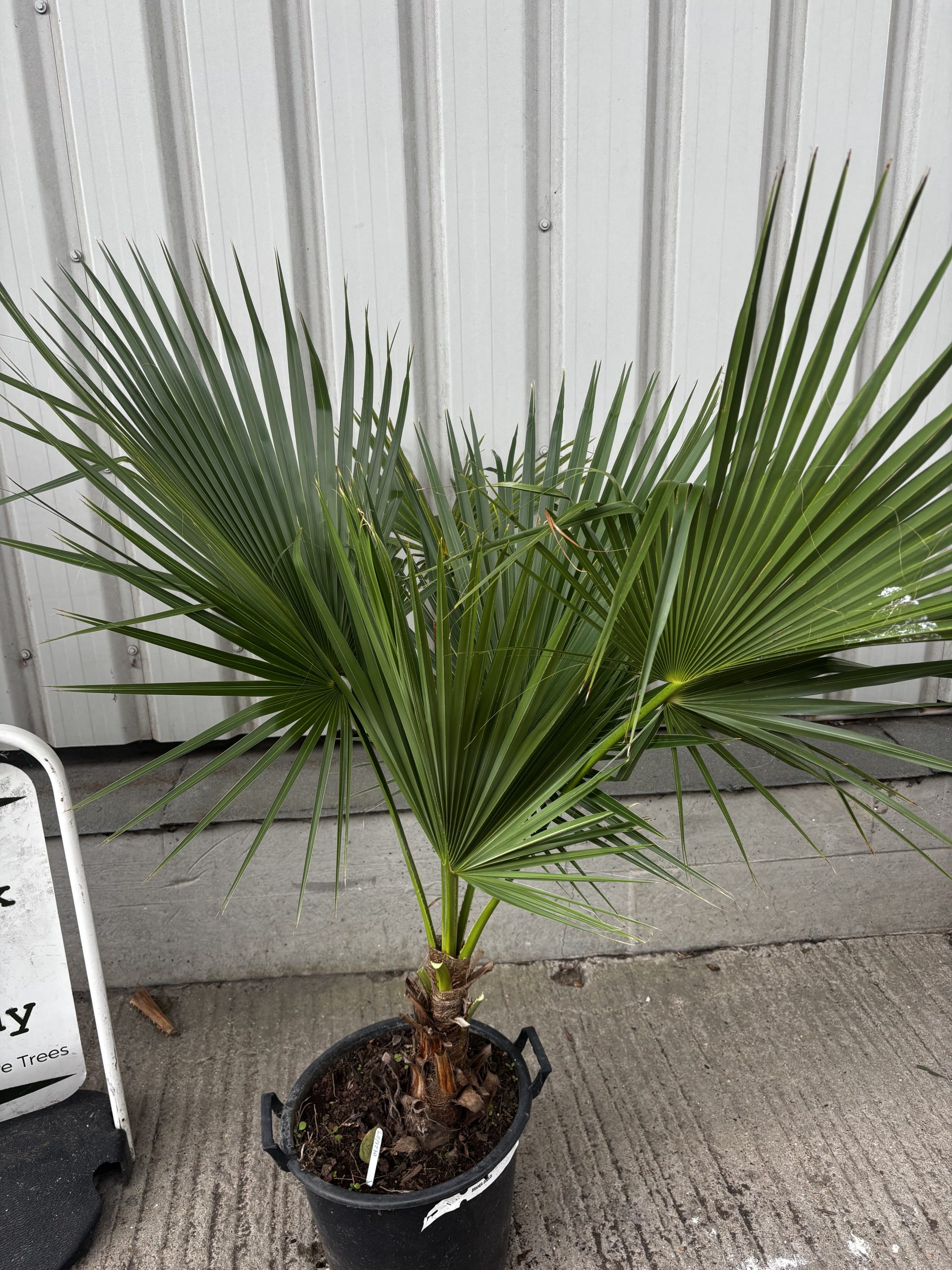
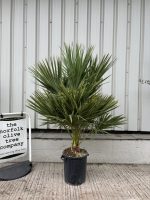
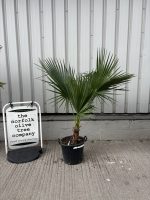
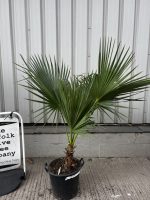
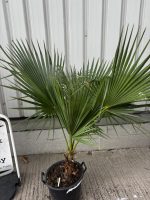
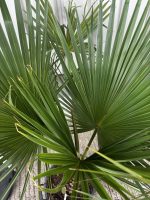
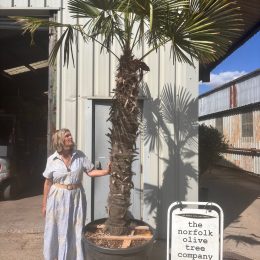
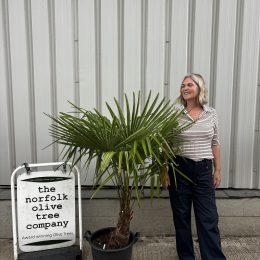
Brahea edulis, also known as the Guadalupe Palm, Guadalupe Fan Palm, or Palma de Guadalupe, is a rare and highly architectural palm species native to Guadalupe Island off the coast of Baja California, Mexico. Its name edulis means “edible,” referring to the sweet, date-like fruit it bears. The palm shown is the palm you will recieve. It is ready to be planted out or potted up a size hence the reduction in price. Photo taken 7th of September 2026.
MEASUREMENTS OF GT26/119
1 metre 50cm including pot
Pot measures 35cm by 35cm
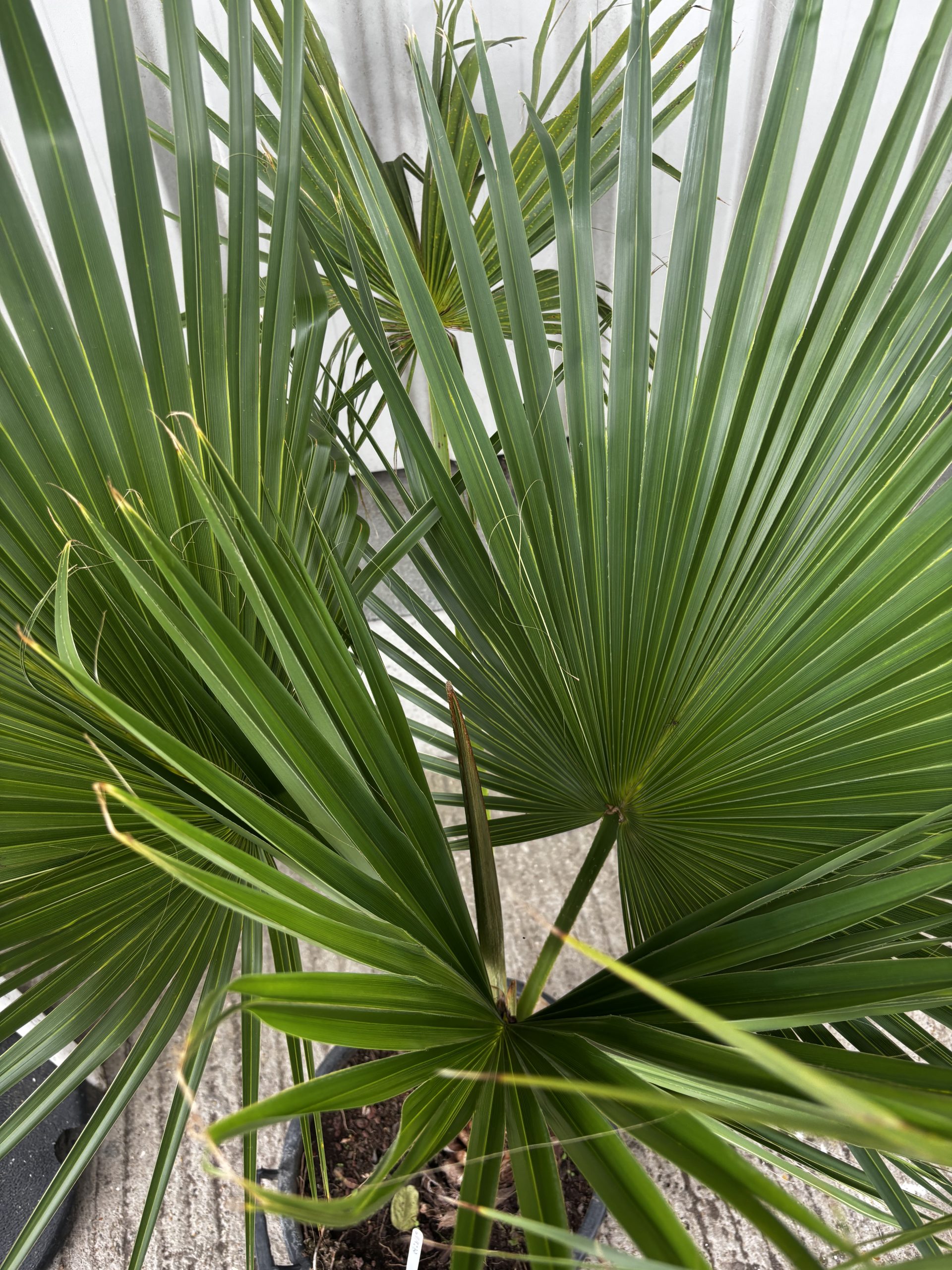
Celebrated for its rounded crown of blue-green, fan-shaped leaves and smooth, clean trunk, Brahea edulis is an excellent choice for gardeners seeking a statement tree with both elegance and resilience. Slow-growing and beautifully symmetrical, it adds instant impact to courtyards, terraces, and coastal landscapes.
Growth Habit & Appearance
A slow-growing, single-stemmed palm, the Guadalupe Palm typically reaches up to 3–5 m (10–16 ft) in the UK, though in warmer Mediterranean regions it can eventually exceed 10 m.
Its large, fan-shaped leaves are a distinctive silvery-green, shimmering in sunlight and moving gracefully in the wind. Unlike many palms, Brahea edulis naturally sheds old fronds, leaving an attractive, ringed trunk — no messy pruning required.
In summer, mature palms produce creamy-white flowers followed by round black fruits that are edible but primarily ornamental.
If you are thinking of expanding your palm tree collection then you can discover our range of palm trees for sale here.
UK Care & Growing Advice
Position:
Choose a sunny, sheltered position, ideally against a south-facing wall to capture warmth and protect from cold winds. Brahea edulis thrives in coastal areas and tolerates salt spray, making it ideal for coastal and Mediterranean-style gardens.
Soil:
Requires well-drained soil — sandy or loamy mixes are ideal. Avoid heavy clay unless improved with grit or organic matter to ensure water can drain freely.
Watering:
Water regularly while establishing, then reduce once settled. Mature palms are drought tolerant and dislike sitting in waterlogged conditions, especially during winter.
Feeding:
Feed in spring with a slow-release palm fertiliser or balanced liquid feed to support steady growth and leaf colour.
Winter Protection:
Established specimens are cold hardy to around –6 °C when kept dry. In colder regions, protect roots with mulch and wrap the crown with horticultural fleece during freezing spells. Young palms in pots can be overwintered in a cool conservatory or unheated greenhouse.
Growth Rate:
Slow to moderate — expect around 15–30 cm of growth per year in the UK, increasing slightly in warm summers.
Why Choose Brahea edulis?
- Distinctive blue-green architectural foliage
- Excellent cold and drought tolerance
- Ideal for Mediterranean-style, modern or coastal gardens
- Low-maintenance once established
- Hand-selected in Tuscany for exceptional form and health
FAQ
Q: Can Brahea edulis survive UK winters?
A: Yes. It tolerates brief frost and cold temperatures down to around –6 °C when protected from winter wet.
Q: Is Brahea edulis suitable for pots?
A: Absolutely — it grows beautifully in large terracotta or lightweight planters with excellent drainage. Move pots to a sheltered spot in winter.
Q: How fast does it grow?
A: Slowly — expect 15–30 cm of growth each year, making it easy to maintain and ideal for small gardens.
Q: Does it need pruning?
A: Very little — simply remove old, brown fronds. The trunk naturally stays tidy.
Q: Is it suitable for coastal gardens?
A: Yes. It’s wind and salt-tolerant, thriving in coastal microclimates across southern England and East Anglia.