
Why Choose a Frantoio Olive Tree?
The Frantoio olive tree is one of the classic Tuscan olive cultivars, known for producing aromatic, fruity oils with depth and character. It is self-pollinating and is excellent for pollinating other cultivars. Self-pollinating, it can be used as a stand-alone specimen.
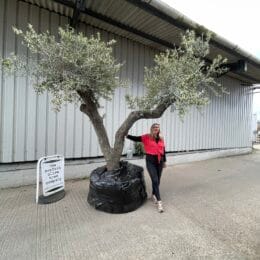
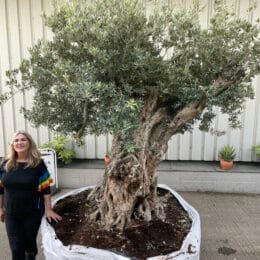
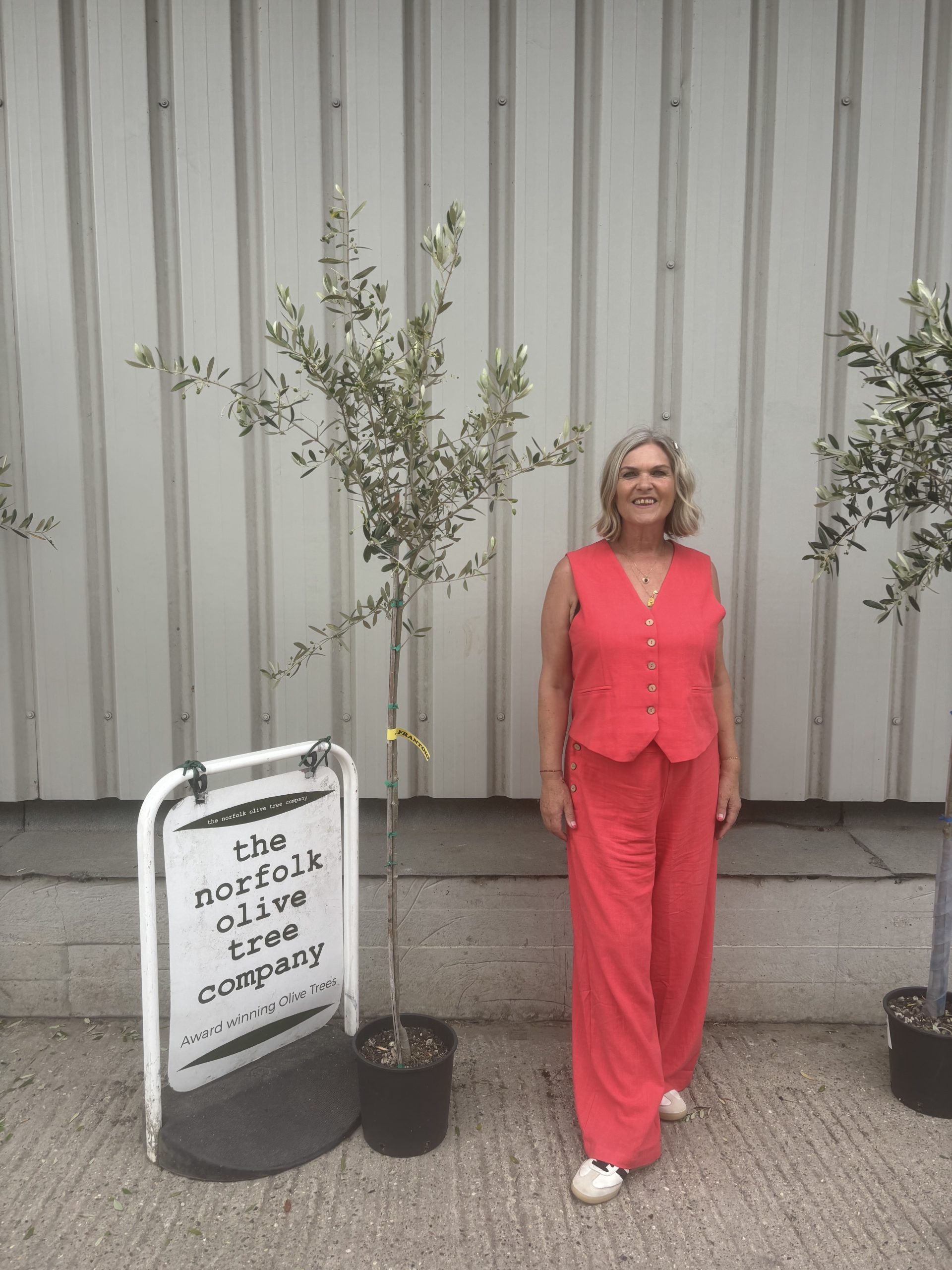
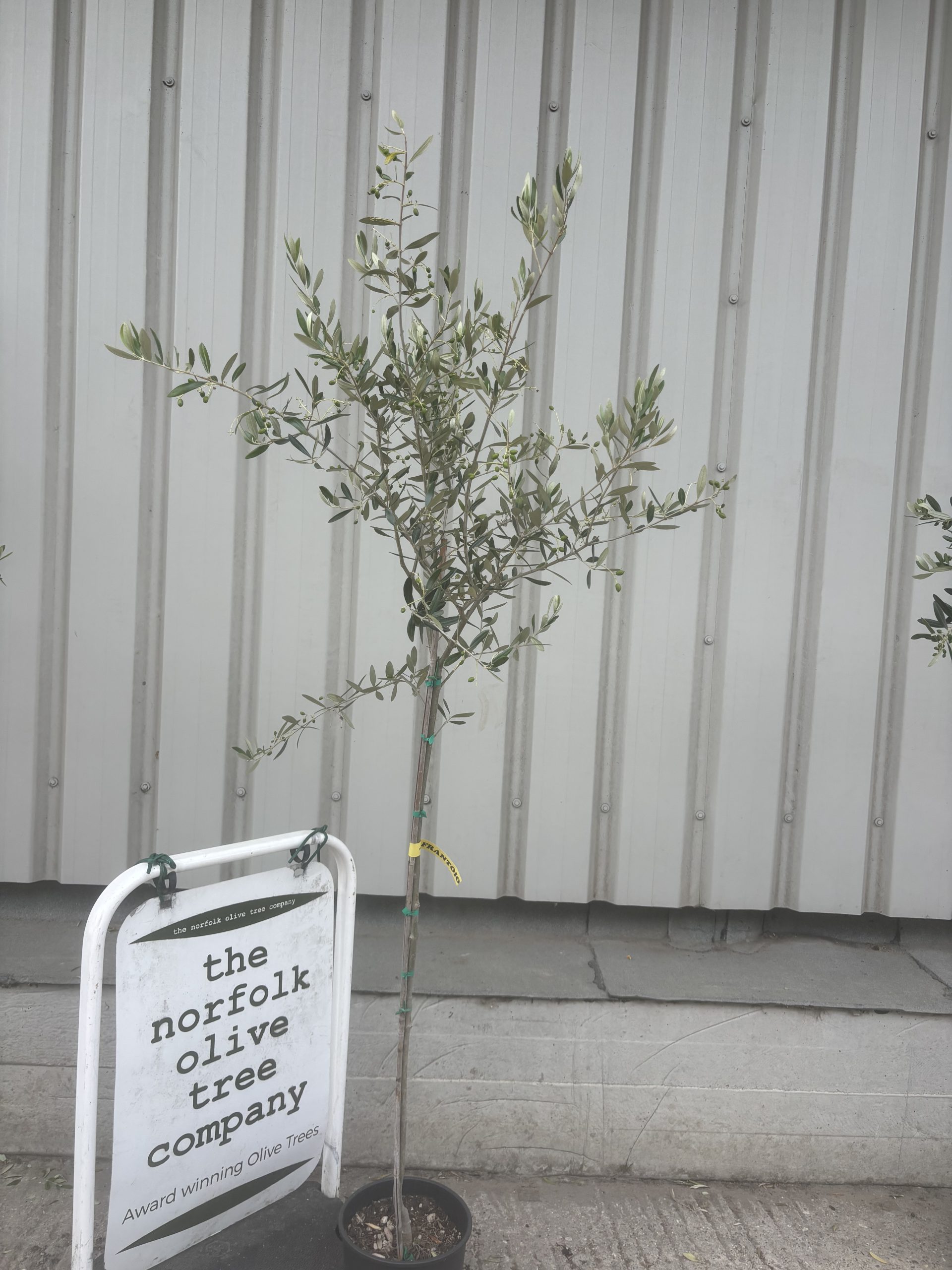
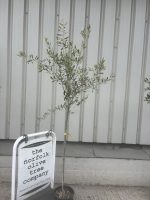
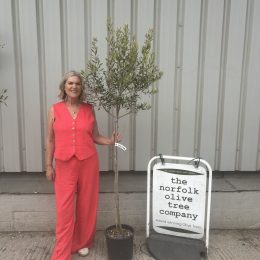
Please note this is a generic picture you will receive a tree of same proportions matching as closely as possible the one in the picture.
Beyond its utility, its shape, foliage and trunk lend strong ornamental presence as a feature tree. The Frantoio Olive Tree is regarded as one of the hardiest olive varieties for UK gardens, tolerating temperatures down to around -18°C when established. Native to Tuscany and traditionally used for olive oil production, it offers both resilience and productivity. Planted in a sunny, well-drained position, Frantoio provides classic Mediterranean structure while remaining dependable through colder British winters.
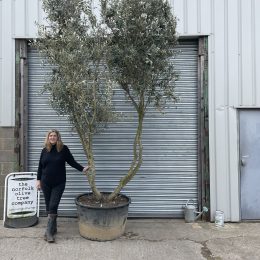
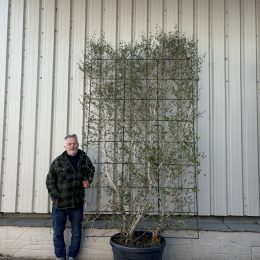
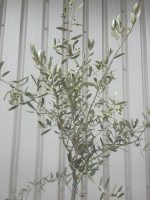
Please note this is a generic picture you will receive a tree of same proportions matching as closely as possible the one in the picture.
Olive pollination is often misunderstood because bees play only a minor role. Unlike many fruit trees, olives are predominantly wind-pollinated, releasing millions of microscopic pollen grains into the air during flowering. When a compatible variety such as Frantoio is planted alongside other cultivars, the movement of pollen between trees can significantly increase fertilisation rates. This is particularly beneficial in UK conditions, where spring weather can sometimes shorten the flowering window. By having a strong pollinator variety within the grove, more flowers are successfully fertilised during favourable weather periods, helping maximise the number of olives that develop later in the season. For growers interested in producing their own olives, incorporating Frantoio into a mixed planting is a simple but effective way to improve the productivity of the grove naturally.
Measurements
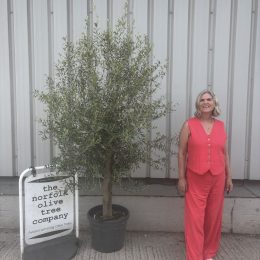
2 metres approximately including pot.
Pot 25cm by 25cm
Growth Habit & Features
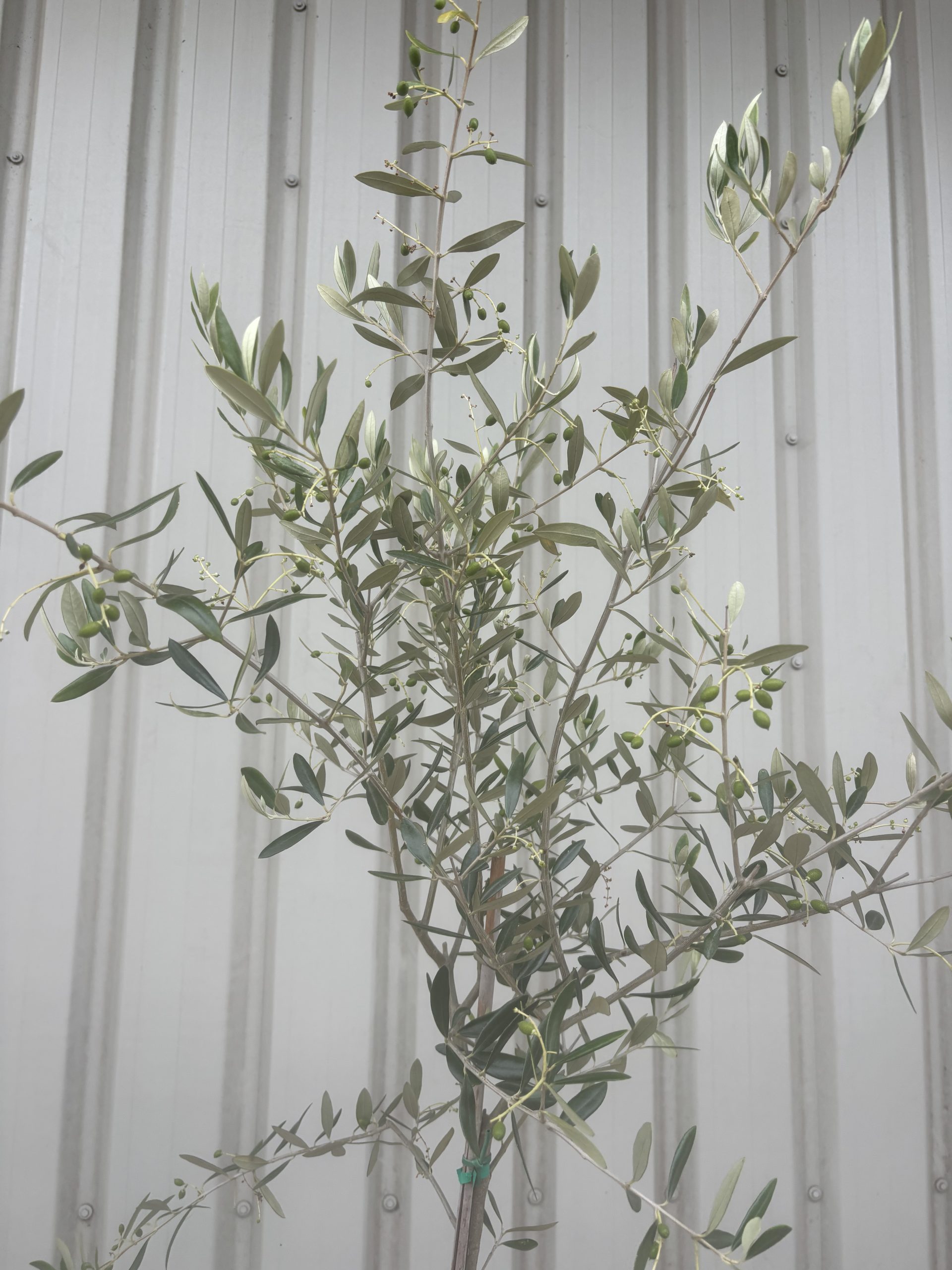
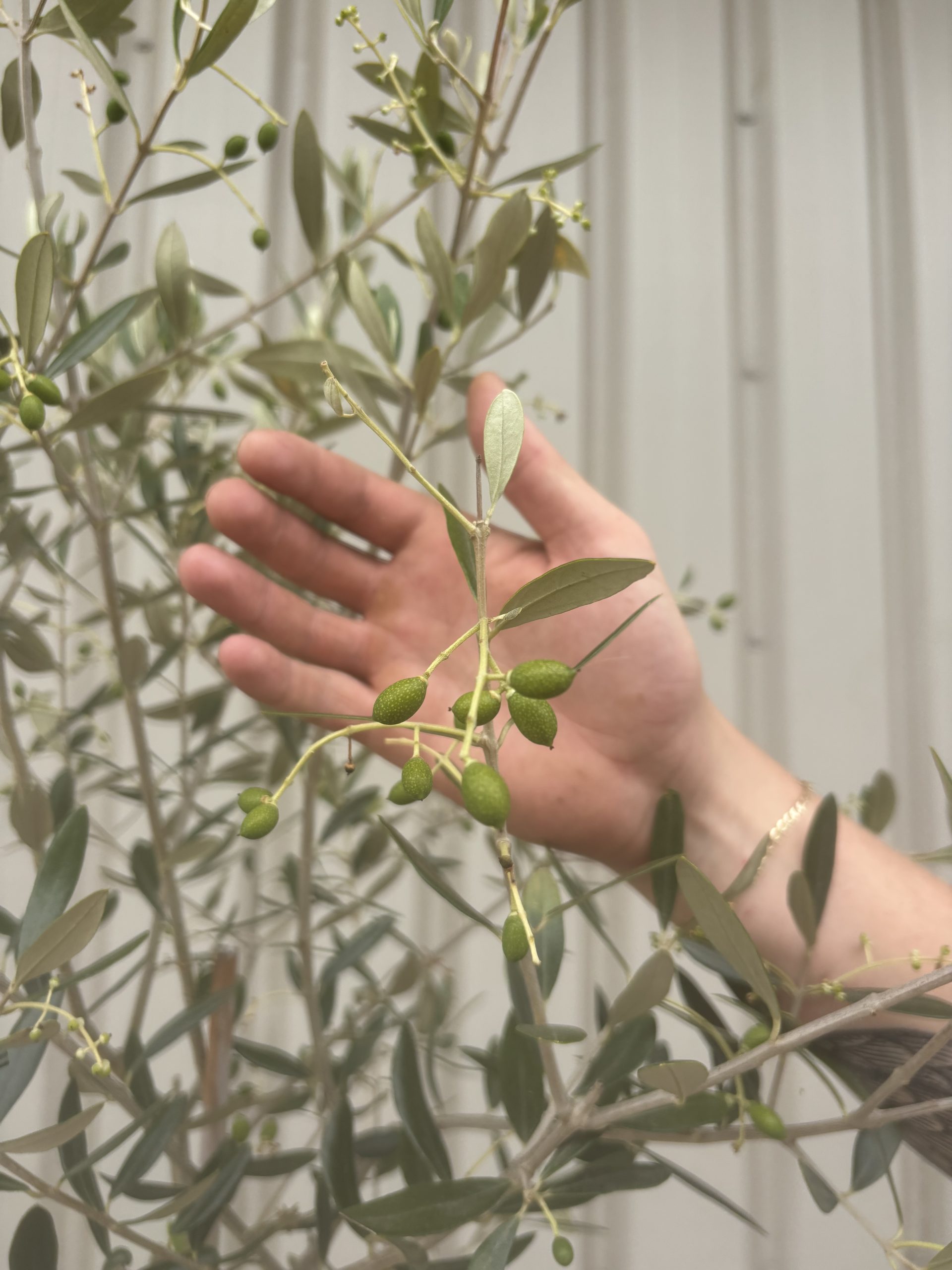
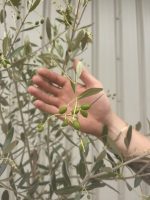
This olive tends to grow in a moderate to moderately vigorous manner, with a graceful, somewhat open canopy and pendulous fruiting branches. Its foliage is leathery, narrow, lanceolate-elliptic and grey-green in tone — classic olive appearance. As the tree matures, it may reach several metres in height (depending on pruning and conditions). Under optimal conditions, olive oil yields from Frantoio fruit can be very good (often in the range of 17–22 %) and the oil is markedly aromatic and fruity.
If you’re planting in an exposed coastal garden, you may also like our wind-resistant Leccio del Corno.
UK Care & Cultivation Advice
To succeed in UK conditions, follow these best practices:
- Location & Sunlight: Plant in full sun or at least a very bright, sheltered position. Frantoio benefits from maximum light exposure.
- Soil & Drainage: Use free-draining soil. If your garden soil is heavy clay, amend with grit or sand to improve drainage. Avoid waterlogged conditions, especially in winter.
- Planting Time: Best planted in spring or early summer once frost risk is minimal, giving roots time to establish.
- Watering: In the first 1–2 years, water regularly during dry periods. As the tree ages, reduce frequency — established olives are moderately drought tolerant.
- Feeding: In spring, apply a balanced, slow-release fertiliser or a feed formulated for olive or Mediterranean plants to encourage strong growth and fruiting.
- Pruning: Prune when dormant (late winter) to shape the tree, remove dead wood, and improve airflow. Avoid excessively heavy pruning, which may reduce yield in subsequent seasons.
- Winter Protection: In colder parts of the UK, protect young trees from frost by mulching root areas and, if in pots, moving them to a more sheltered position.
- Pollination & Companion Varieties: Though Frantoio is self-fertile, planting it alongside another compatible olive cultivar (like Leccino, Pendolino or Maurino) may boost overall fruit set.
With good care, your Frantoio will thrive, offering both ornamental beauty and the possibility of home-grown olive oil as a rewarding bonus.