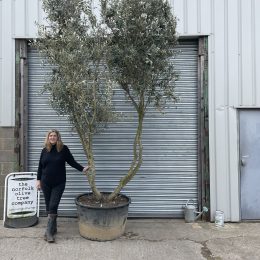
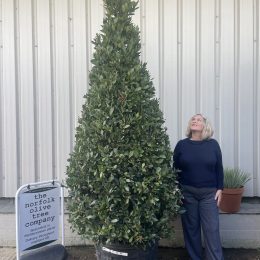
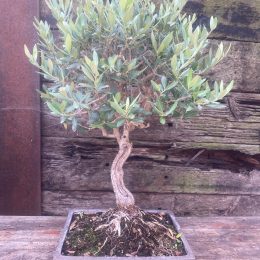
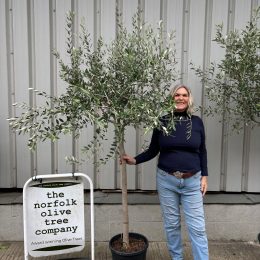
Olive trees (Olea europaea) are one of the most striking trees you can grow, bringing a touch of the Mediterranean to your home. With the right care, they can thrive indoors—but “low‐maintenance” doesn’t mean “no care at all.”
Light & Location
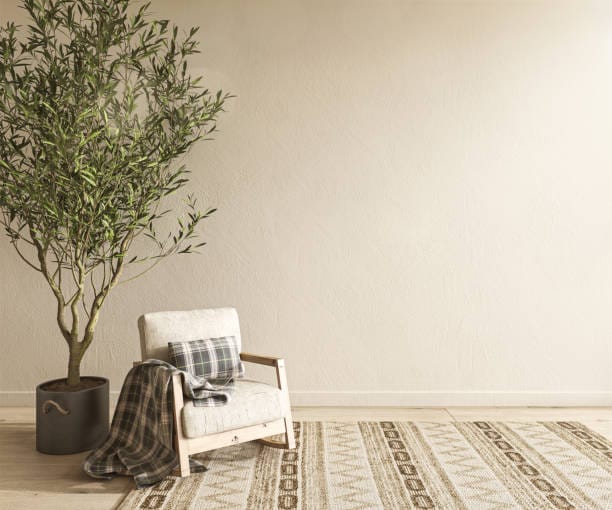
- Find the brightest spot: Olive trees need lots of natural light. A south- or west-facing window is ideal so that the tree gets plenty of sun.
- Avoid heat traps and glass burn: Don’t place the tree right up against glass panes where sunlight intensifies and could scorch the leaves in summer.
- Rotate periodically: To prevent uneven growth, rotate the pot every few weeks so all sides get light.
Watering, Soil & Feeding
- Watering: Use the “finger test”—if the soil is dry a few inches down, it’s time to water. In cooler months, growth slows, so reduce watering to avoid waterlogged roots.
- Food: In spring and summer, feed with a balanced, olive-specific fertiliser to support growth and foliage. During winter, feeding is not as necessary since growth slows.
Humidity & Misting
- Humidity matters: Indoor air—especially when heating is on—can get very dry, which is not ideal for olive trees.
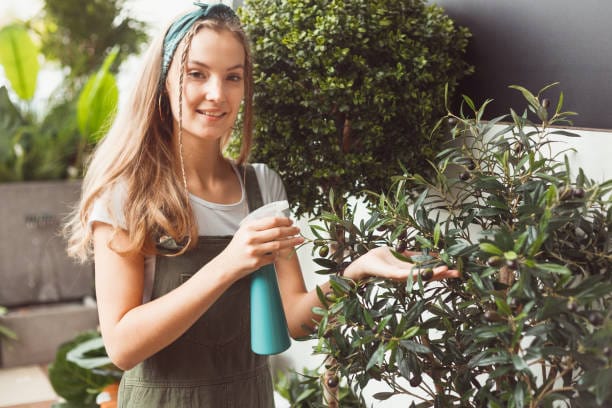
- Misting: Mist the foliage regularly (e.g. a light spray every couple of days or whenever the air feels dry) to prevent leaf drying and browning. This helps mimic the moisture olive trees might get from dew or morning mist in nature.
- Avoid over-wetting soil: While misting the leaves is good, avoid saturating the soil from above as it can lead to fungal issues.
Temperature
- Olive trees prefer moderate conditions. Avoid sudden temperature drops or placing them in drafty spots. Winters should generally stay above about 5 °C (41 °F) indoors
Will an Olive Tree Fruit Indoors?
This is one of the biggest questions! The short answer: It’s unlikely, but not impossible. Here’s why:
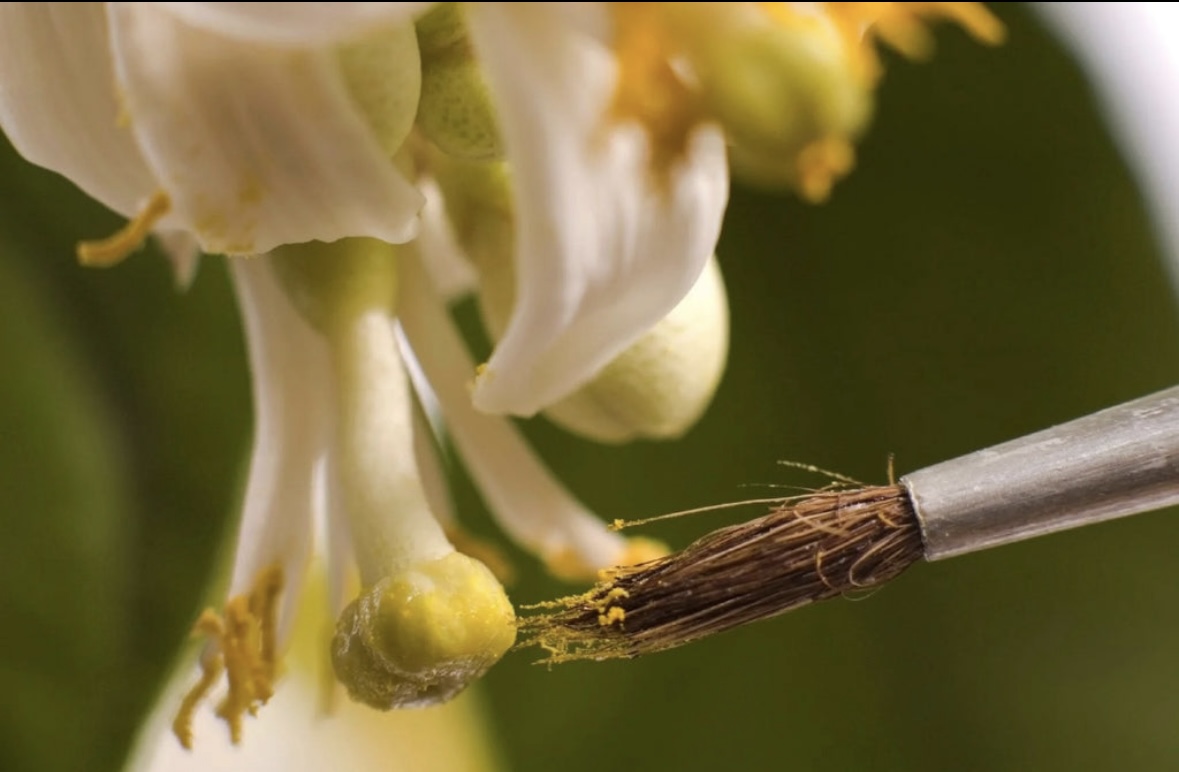
- Pollination: In nature, olives depend on wind or insects to move pollen. Indoors, pollinators are usually absent, so you’d have to hand-pollinate if you want fruit.
- Light intensity: Fruit production requires strong, prolonged sunlight—often more than indoor windows provide. Without enough light, the tree may behave as an ornamental rather than fruiting.
- Chill hours: Many olive varieties need a period of cooler temperatures (“winter chill”) to trigger flowering. Indoor conditions often stay too warm for this phase.
- Age and maturity: Fruit only appears when the tree is mature—usually several years old—and under ideal growing conditions.Some studies suggest that several olive cultivars considered “self-fertile” still behave better when pollen from another tree is present.
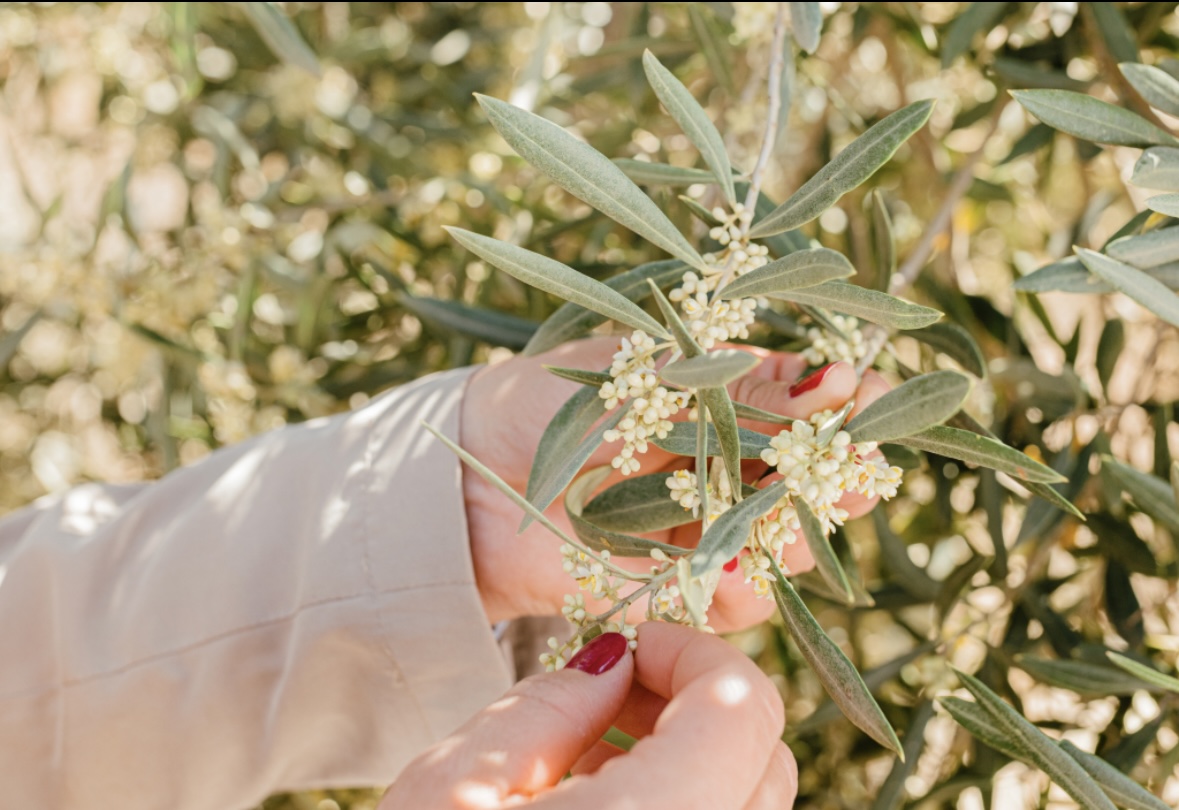
- So — does a self-fertile olive tree indoors need “pollination help”?
Yes — most likely, if you want fruit. Even if a variety is classed “self-fertile,” under indoor (or otherwise limited) conditions:- Light, airflow, and possibly temperature fluctuations will often be sub-optimal, so fruit set will tend to be poor or inconsistent without help.
- Hand pollination (using a small soft brush to move pollen among flowers) can help. Also shaking branches (or gentle air movement) may help mimic wind pollination.
- Ensuring flowers develop (by giving adequate light, some cool period if possible, good nutrition) is essential. Without flowering, pollination doesn’t matter.
So: if you have a variety known to produce indoors, a bright enough place, and are willing to assist (e.g. hand pollination), you might get fruit—but don’t count on a heavy olive harvest like you’d get outdoors in the Mediterranean.