Yucca Rostrata: The Architectural Plant for Britain’s Changing Climate
British gardens are changing. Over the past decade, gardeners across the UK have experienced hotter summers, longer dry spells and increasing pressure to use water more wisely. At the same time, our winters remain unpredictable, bringing prolonged periods of rain, damp conditions and occasional freezing temperatures.
The challenge facing today’s gardener is no longer simply finding plants that can survive drought. It is choosing plants that thrive through both extremes – dry summers and cold, wet winters. Few plants answer that challenge as beautifully as Yucca rostrata.
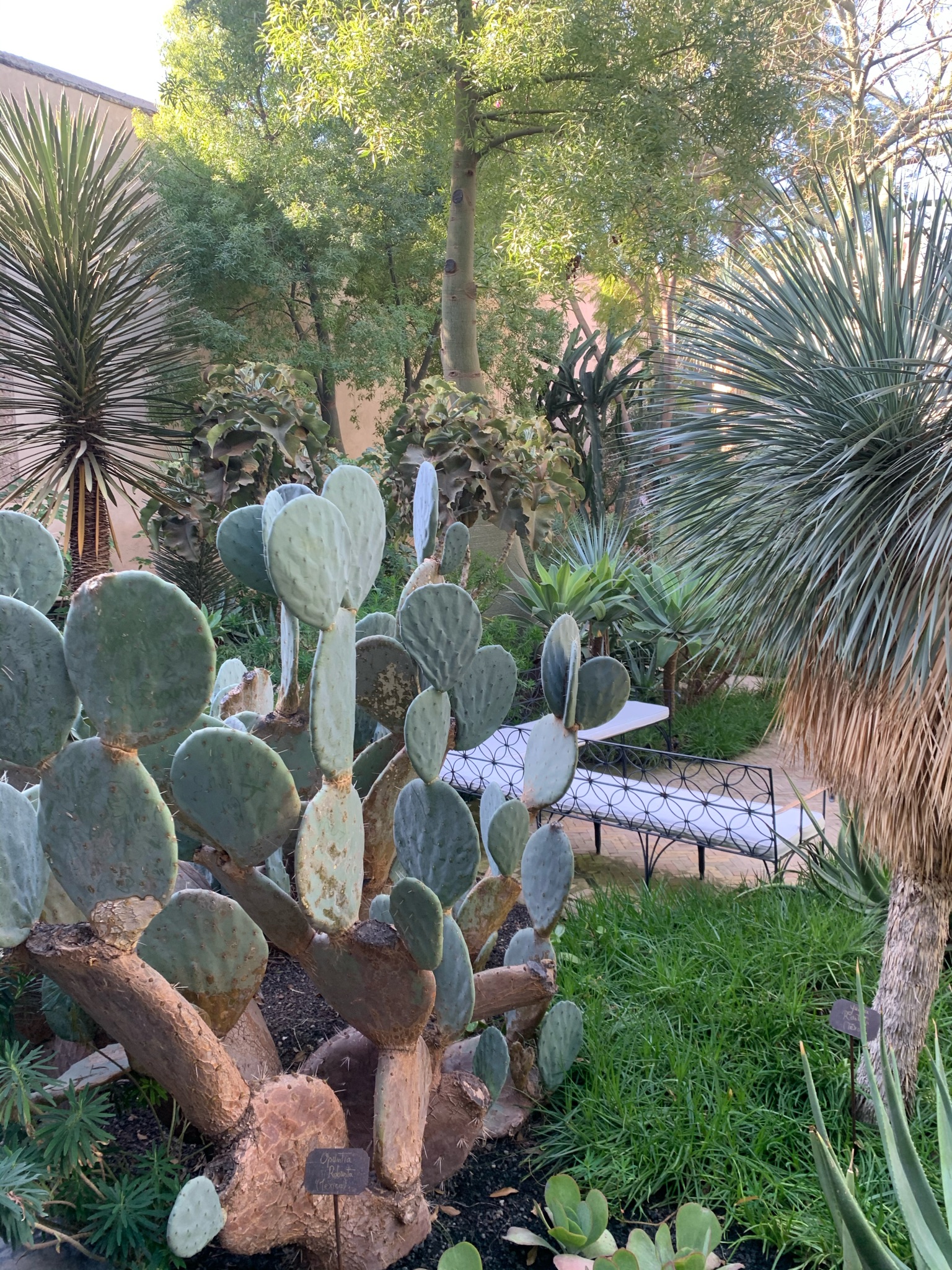
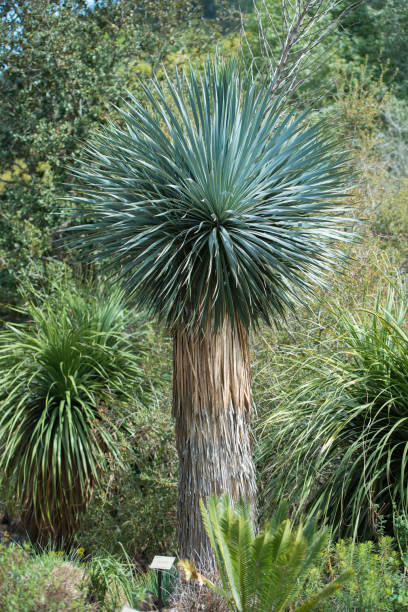
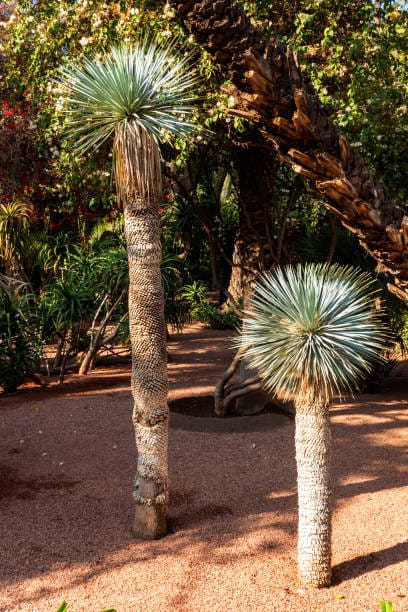
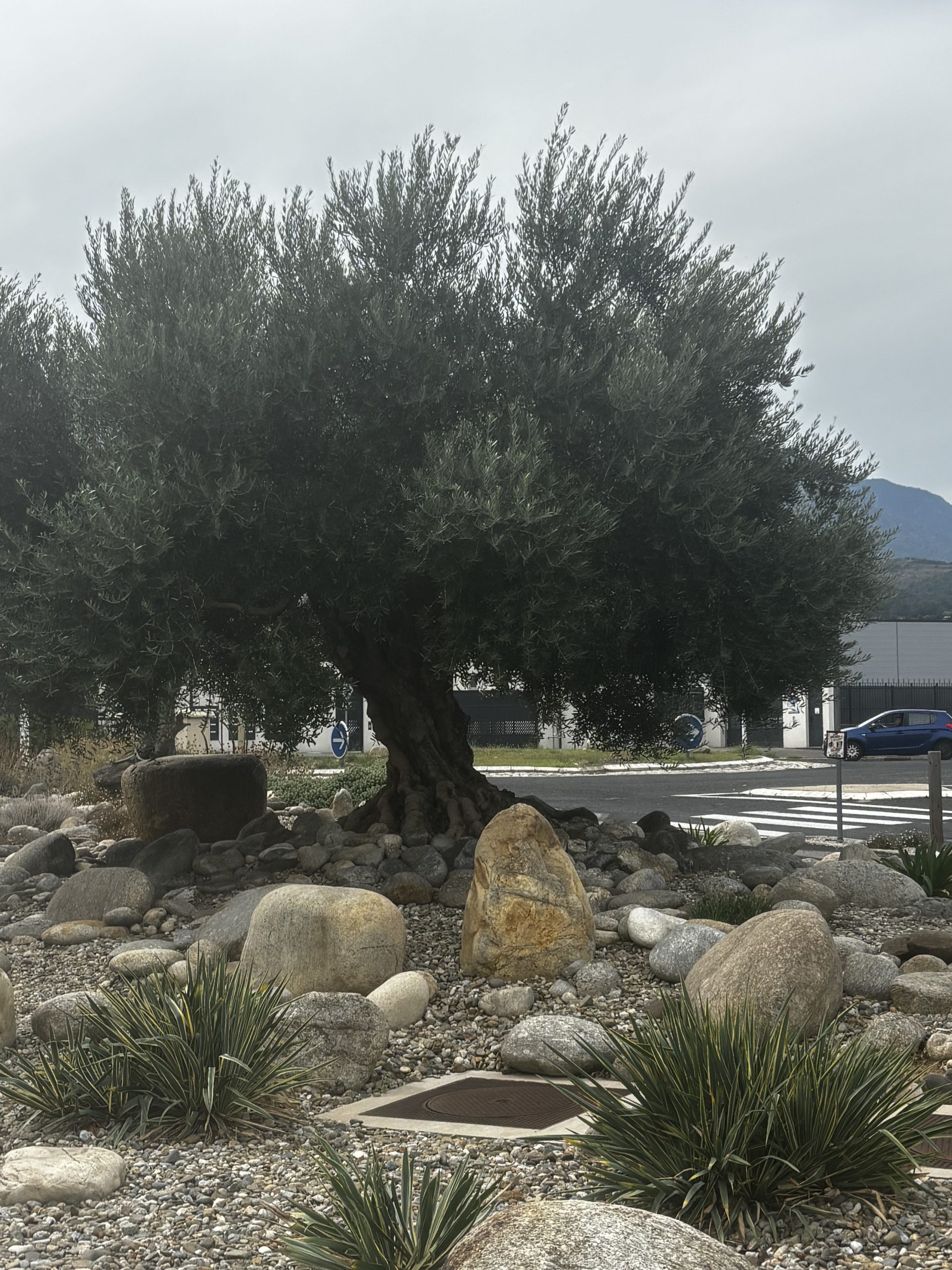
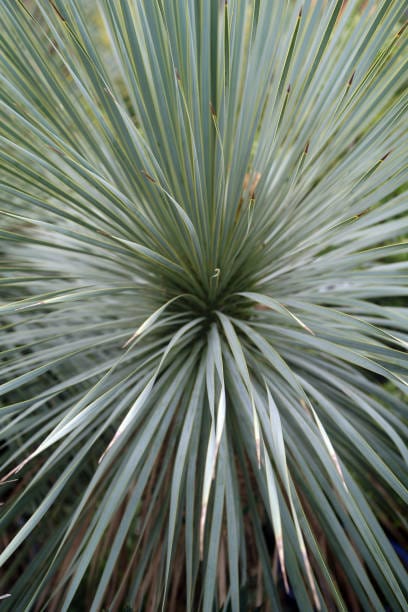
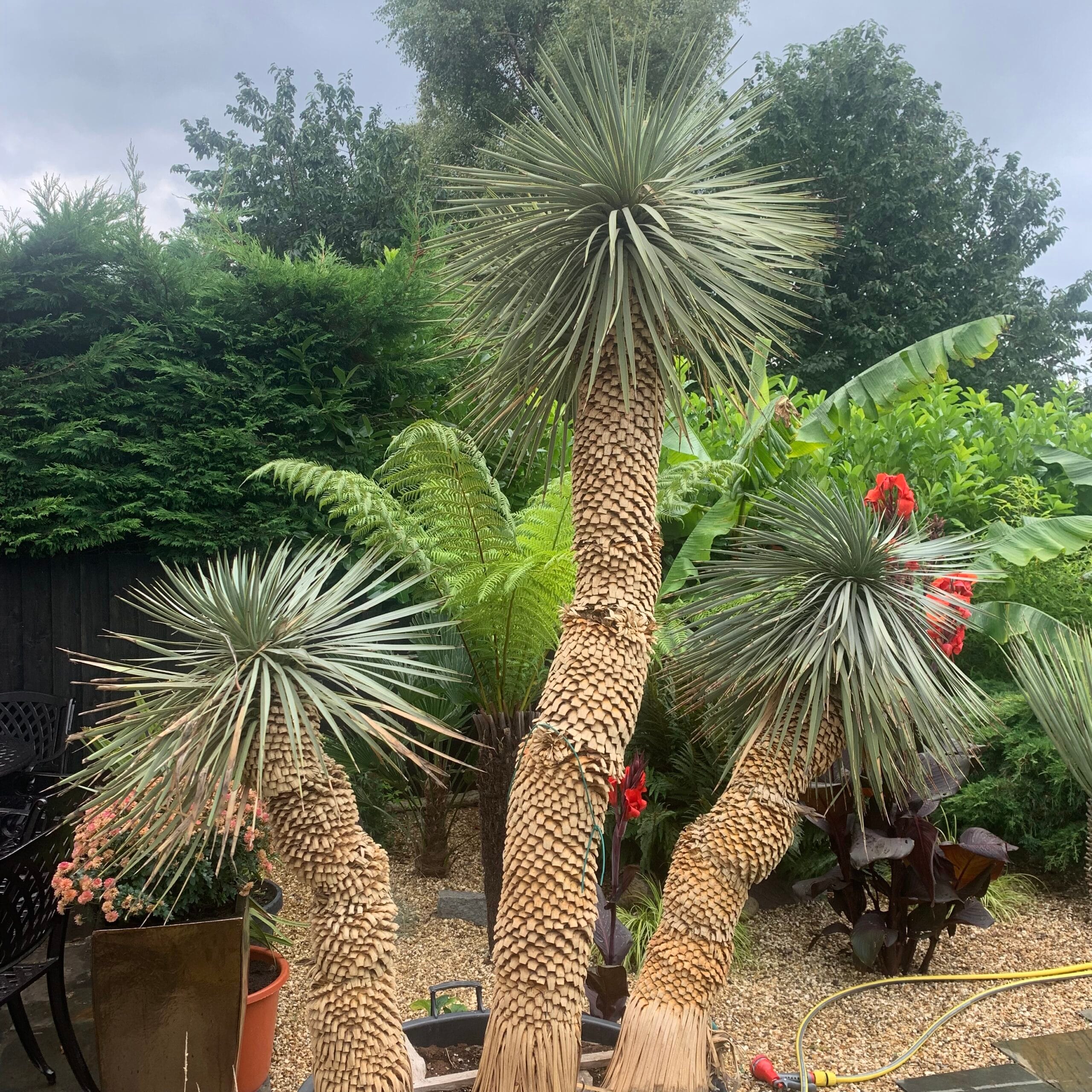
With its perfectly rounded crown of powdery blue-grey leaves, elegant single trunk and remarkable resilience, Yucca rostrata has become one of the most admired architectural plants in contemporary garden design. Whether planted as a dramatic focal point in a courtyard, paired with olive trees in a Mediterranean-inspired landscape or standing proudly in a gravel garden, it brings year-round structure with remarkably little maintenance.
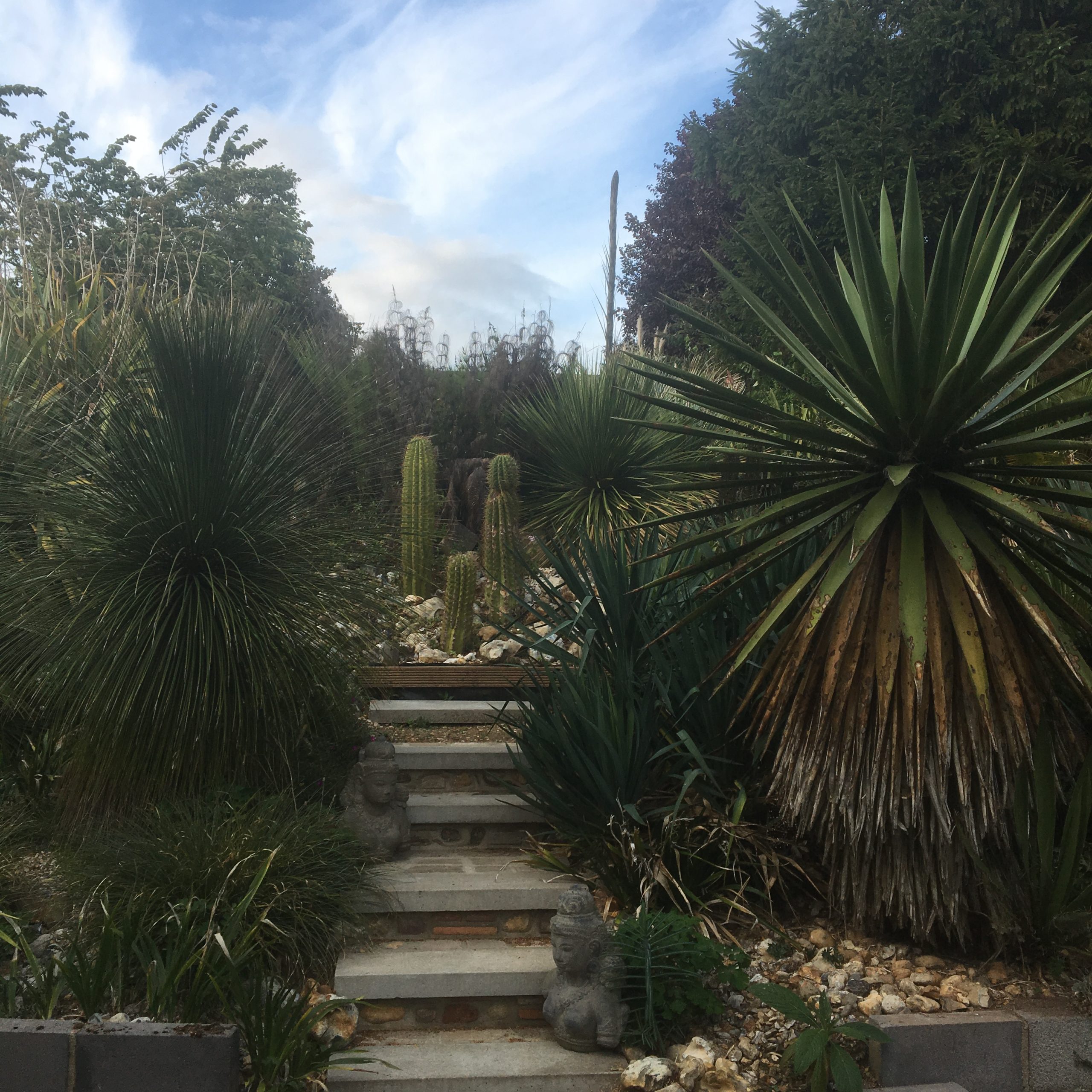
Once considered an exotic collector’s plant, Yucca rostrata is increasingly proving itself to be one of the smartest long-term investments for British gardens.
The iconic Yucca Rostrata, also known as the beaked Yucca or Yucca linearis is an evergreen shrub native to America and Mexico. This impressive hardy plant boasts a dense crown of silvery-blue foliage and distinguished, yellow-edged leaves. Often, the Yucca Rostrata is used as an ornamental plant in a border or container, creating a stunning focal point or accent for any garden.
Why More UK Gardeners Are Choosing Yucca Rostrata
Garden design is evolving. Traditional herbaceous borders filled with thirsty plants still have their place, but many homeowners are now looking for landscapes that are more resilient, sustainable and easier to maintain without sacrificing beauty.
This has led to a growing appreciation of xeric planting—gardens designed around plants that naturally require less water while delivering outstanding texture, structure and year-round interest.
Unlike many drought-tolerant species, Yucca rostrata offers an unusual combination of qualities. It is exceptionally tolerant of dry conditions once established, yet it also copes well with the cold winters experienced throughout much of the UK when planted in free-draining soil.
Its striking silhouette creates instant impact, making it equally suited to contemporary town gardens, coastal landscapes, country homes and stylish courtyard spaces.
The British Climate Is Changing – Our Gardens Need to Change Too
Gardeners have always adapted to the weather, but recent years have highlighted the need to think differently about the plants we choose. Long periods without meaningful rainfall, rising summer temperatures and occasional hosepipe restrictions have encouraged many gardeners to look beyond traditional planting schemes. Yet Britain is not becoming southern Spain. We still experience months of winter rain, waterlogged soils, frosts and the occasional snowfall. This means the ideal plants are not simply drought tolerant—they must also cope with damp winters and fluctuating temperatures.
Yucca rostrata excels because it evolved to withstand extremes. Native to the high deserts of northern Mexico and Texas, it experiences intense sunshine, cool nights and occasional snowfall in its natural habitat. Those characteristics translate surprisingly well to British gardens, provided drainage is good. Rather than fighting our changing climate, many designers are now embracing plants that are naturally adapted to it.
One of the many reasons these plants are used as architectural plants is their size. Once fully grown they can reach between 2-4m high and 1-3m wide. Better still, they require no pruning so you can quite literally plant, water, and leave to mature!
The Rise of Xeric Garden Design
The word xeric simply means designing gardens that use water efficiently. Far from looking barren, today’s xeric gardens are sophisticated, elegant and filled with architectural interest.
Instead of relying on colourful bedding displays, they celebrate sculptural forms, contrasting foliage, gravel, natural stone, terracotta pots and carefully chosen evergreen plants that provide beauty throughout the year.
Yucca rostrata is perfectly at home within this style of planting, alongside:
- Olive trees
- Hardy palms such as Chamaerops humilis and Butia capitata
- Lavender
- Agapanthus
- Euphorbia
- Stipa grasses
- Rosemary
- Santolina
- Cistus
Together these plants create gardens that remain visually exciting in every season while requiring considerably less irrigation and watering than traditional borders. If you are looking to create a Mediterranean garden, there are some wonderful companions for the Yucca. If you have planted your Yucca in a border, then asters and grasses are perfect for a sunny landscape. Also, Tiger Lilies, Sedum, Rudbeckia, Sage, and Yarrow all thrive in similar conditions and bloom at the same time as Yucca rostrata. And better still, they look beautiful next to each other and will produce beautiful flowers during the late spring and summer.
Where Should You Plant Yucca Rostrata?
Choose a position with as much sunlight as possible. Excellent drainage is essential, particularly during winter. Raised beds, gravel gardens and sloping sites are ideal. If your soil is heavy clay, improving drainage before planting will significantly improve long-term success. Yucca rostrata also performs exceptionally well in large containers, making it perfect for terraces, courtyards and contemporary patios.
Caring for Yucca Rostrata
One of its greatest attractions is just how little attention it needs.
Once established:
- Water during prolonged dry spells while the plant is establishing.
- Avoid waterlogged conditions.
- Remove older lower leaves if you prefer a tidier trunk
- Ensure containers have excellent drainage.
Unlike many ornamental plants, Yucca rostrata rewards restraint rather than constant intervention.
Designing with Form Rather Than Flowers
Modern garden design increasingly focuses on structure.
Instead of filling every space with colour, many designers create calm, sophisticated landscapes by repeating architectural shapes and allowing each specimen room to breathe.
Frequently Asked Questions
Is Yucca rostrata hardy in the UK?
Yes. Yucca rostrata is one of the hardiest trunk-forming yuccas and is well suited to most parts of the UK when grown in well-drained soil.
Does Yucca rostrata need much watering?
Only while establishing. Once established, it is highly drought tolerant and requires very little supplementary watering.
Can Yucca rostrata grow in pots?
Absolutely. Large containers with excellent drainage make an excellent choice for patios, courtyards and roof terraces.
Is Yucca rostrata suitable for coastal gardens?
Yes. It tolerates exposed conditions well and is an excellent choice for many coastal locations.
What plants look good with Yucca rostrata?
Olive trees, Butia palms, Chamaerops humilis, lavender, agapanthus, euphorbia, rosemary, ornamental grasses and cistus all complement its architectural form beautifully.
Is Yucca rostrata difficult to maintain?
Not at all. It is one of the lowest-maintenance architectural plants available, requiring little more than good drainage, sunshine and occasional watering while establishing.
Bring Lasting Architecture to Your Garden
The future of British gardening is not about chasing passing trends—it is about choosing plants that combine beauty, resilience and longevity.
Yucca rostrata does exactly that.
Its sculptural elegance, exceptional drought tolerance and impressive cold hardiness make it one of the finest architectural plants for modern UK gardens. Whether you’re creating a contemporary courtyard, a Mediterranean-inspired terrace or a climate-conscious gravel garden, it offers year-round impact with remarkably little maintenance.