Growing olives in the UK is no longer an experiment. With the right cultivar selection, fruit production is entirely achievable — and increasingly sought after. However, successful cropping does not begin with feeding regimes or pruning schedules. It begins with choosing the right tree. For clients planting with fruit in mind — whether a pair for a courtyard garden or a small orchard in open ground — understanding self-fertility and pollination is essential from the outset.
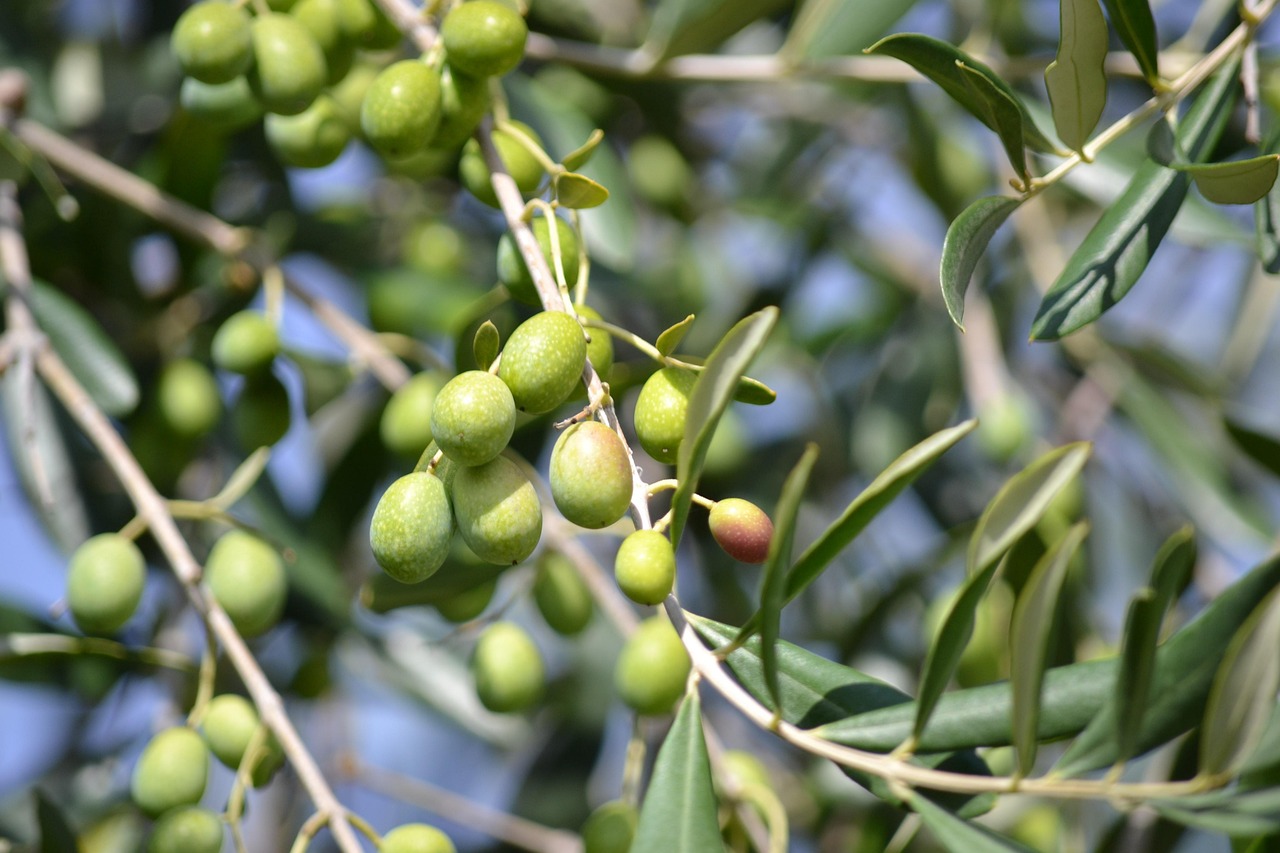
At The Norfolk Olive Tree Company, we select varieties not simply for appearance, but for their performance in British conditions.
What Does “Self-Fertile” Mean?
A self-fertile olive tree is capable of setting fruit with its own pollen. In simple terms, it does not require another variety nearby to produce olives. However, there is an important nuance. Even self-fertile varieties often produce more consistent and heavier crops when planted alongside a compatible pollination partner. Cross-pollination can improve fruit set, particularly in cooler or variable UK summers. For those serious about fruit production, variety selection should be intentional rather than incidental.
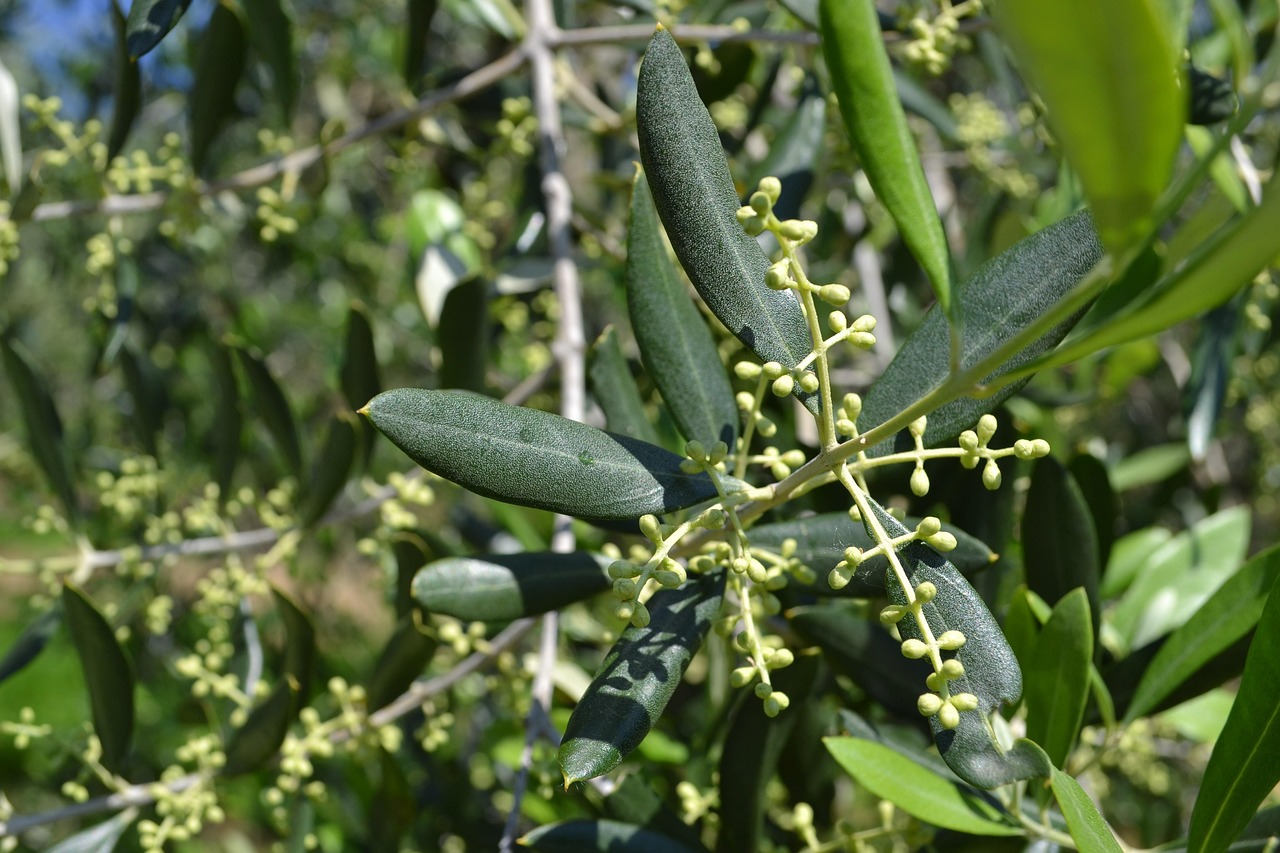
Strong Self-Fertile Olive Trees for the UK
Not all cultivars perform equally in British climates. We focus on varieties proven to combine reliability with resilience.
Hojiblanca – Vigorous, Reliable & Well Suited to the UK
Hojiblanca is one of the strongest self-fertile olive varieties we supply. It offers:
- Good vigour
- Consistent cropping potential
- Adaptability to UK growing conditions
- Attractive, good-sized fruit
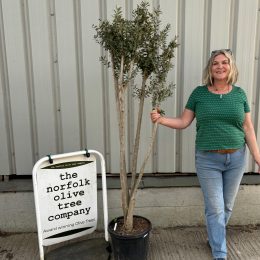
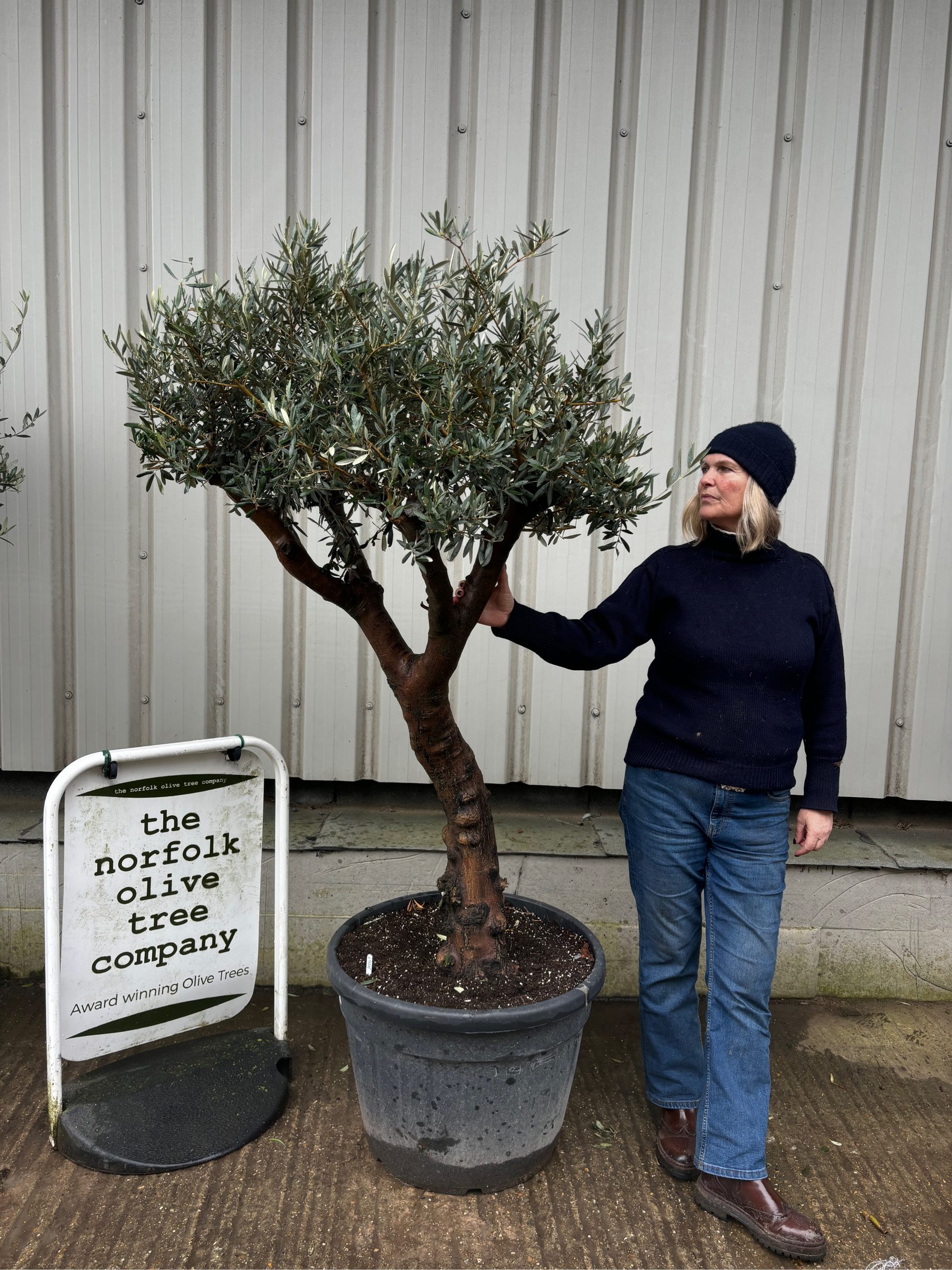
Many of our Hojiblanca trees are shaped in what we describe as the Tortuga form — a distinctive pruning style rather than a separate variety.
The Tortuga structure creates an open-heart canopy. This allows light and air to move freely through the tree, which is particularly beneficial in the UK’s comparatively humid climate. Improved airflow reduces moisture retention within the canopy and supports cleaner fruit development.
This architectural shaping is intentional. It is part of selecting trees suited not just to survive here, but to fruit well here.
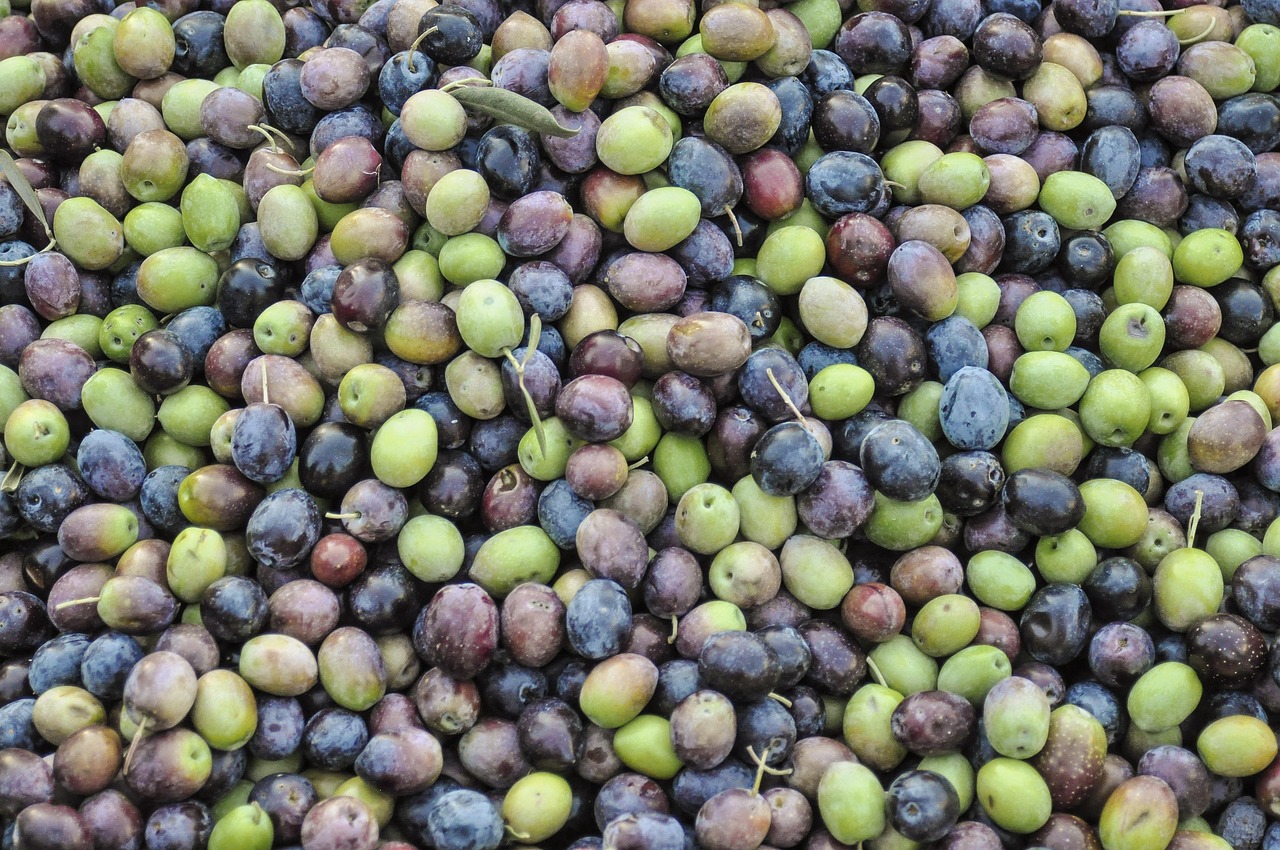
Why Plant More Than One Variety?
While a single self-fertile tree can crop independently, planting more than one variety can enhance results.
Benefits of mixed planting include:
- Increased pollination efficiency
- Improved fruit set in variable summers
- Greater seasonal consistency
- Natural resilience within the planting
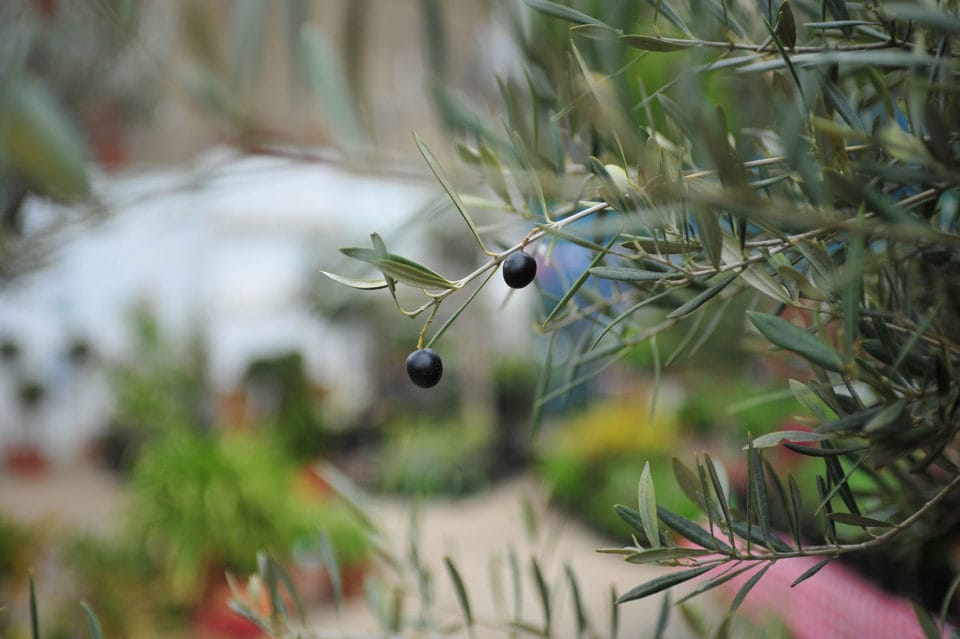
For those establishing a small orchard or larger planting scheme, we offer a curated Olive Grove Bundle of 6. This collection is selected to provide both structural harmony and pollination diversity — ideal for clients creating a micro-orchard or smallholding in the UK.
Single Specimen or Orchard Planting?
The scale of planting often shapes variety choice.
One or Two Trees
Ideal for:
- Courtyards
- Terraces
- Contemporary garden settings
In these settings, strong self-fertile cultivars such as the Tortuga pruned Hojiblanca or Arbequina provide both ornamental structure and fruiting potential. Architectural form becomes particularly important, and mature specimens offer immediate impact.
Three to Six Trees
Ideal for:
- Open gardens
- Smallholdings
- Field planting
- Micro-orchards
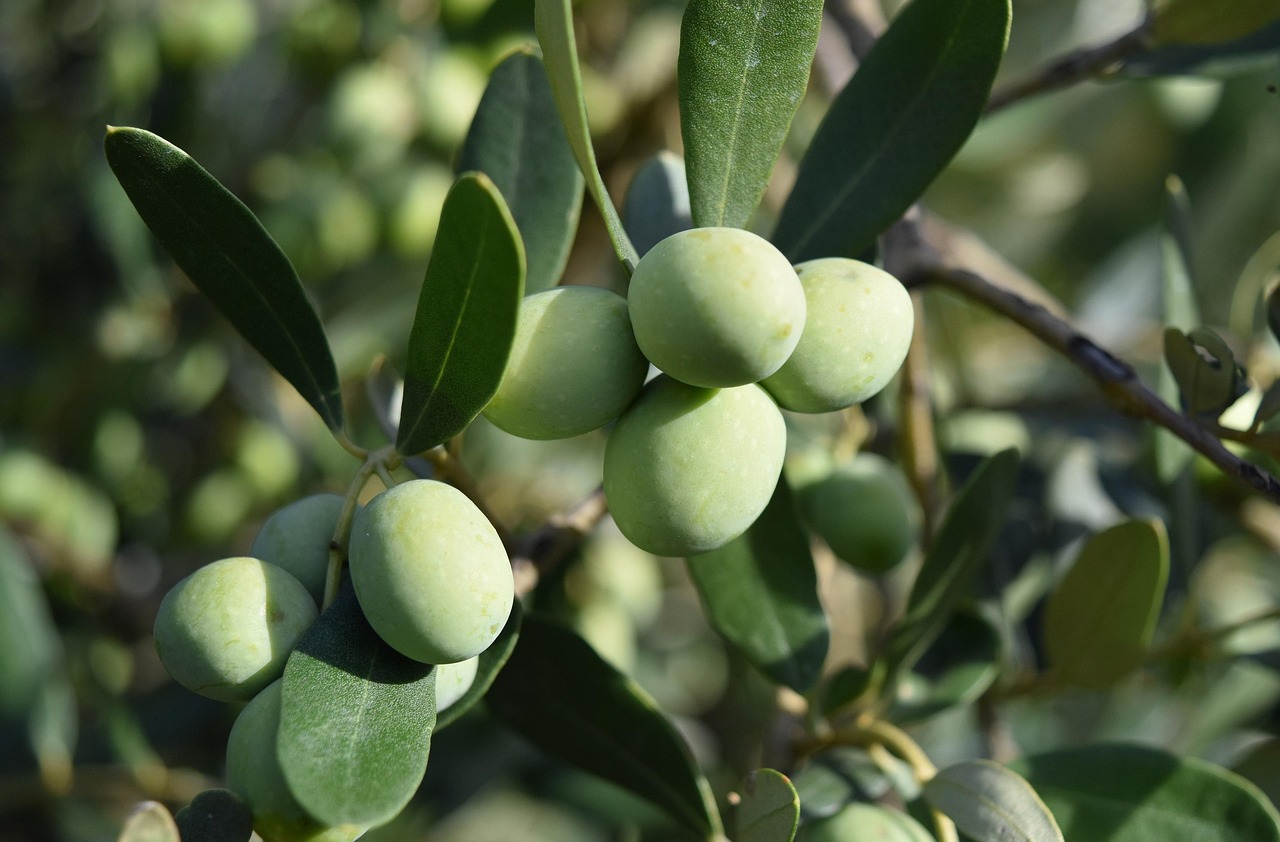
Multiple trees allow for natural cross-pollination dynamics and more consistent cropping. They also create a landscape feature that feels intentional and enduring, your very own Olive grove. Fruit production in the UK is entirely viable — but thoughtful planting increases reliability.
Selecting for Fruit in British Conditions
When choosing an olive tree for fruit production in the UK, selection should consider:
- Proven variety performance
- Self-fertility strength
- Pollination compatibility
- Mature structural development
- Canopy architecture suited to airflow
The UK climate differs from southern Europe. Summers are milder. Air humidity is higher. Winter conditions fluctuate.
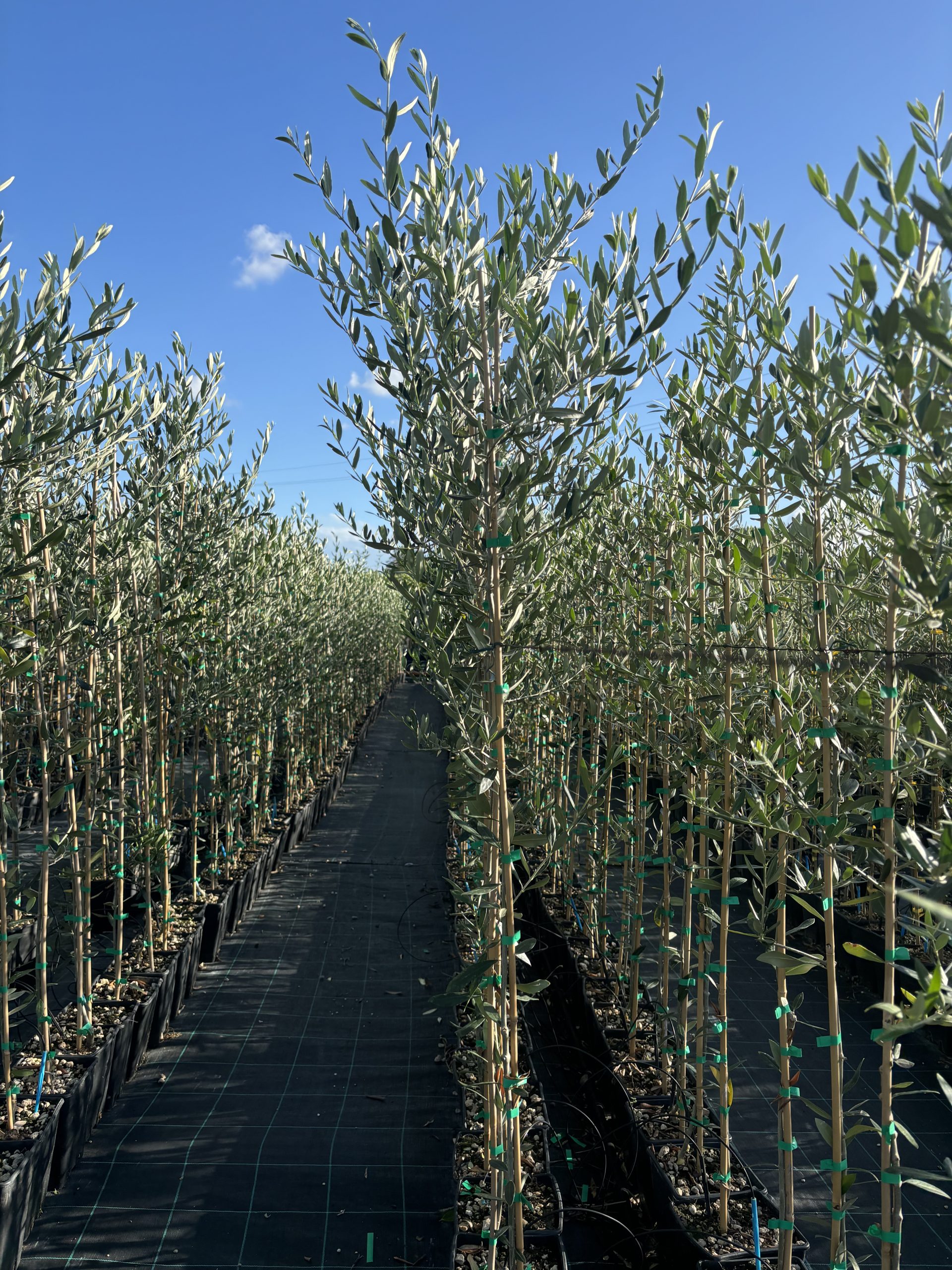
Choosing trees that are already shaped and selected with these factors in mind makes a significant difference over time.
Fruit begins with variety choice — not aftercare.