How to Choose an Olive Tree- specialist insight
While many buyers initially focus on height, experienced gardeners often look first at the structure and personality of the trunk. This is the feature that gives an olive tree its sculptural beauty and ensures it remains visually striking throughout the year.
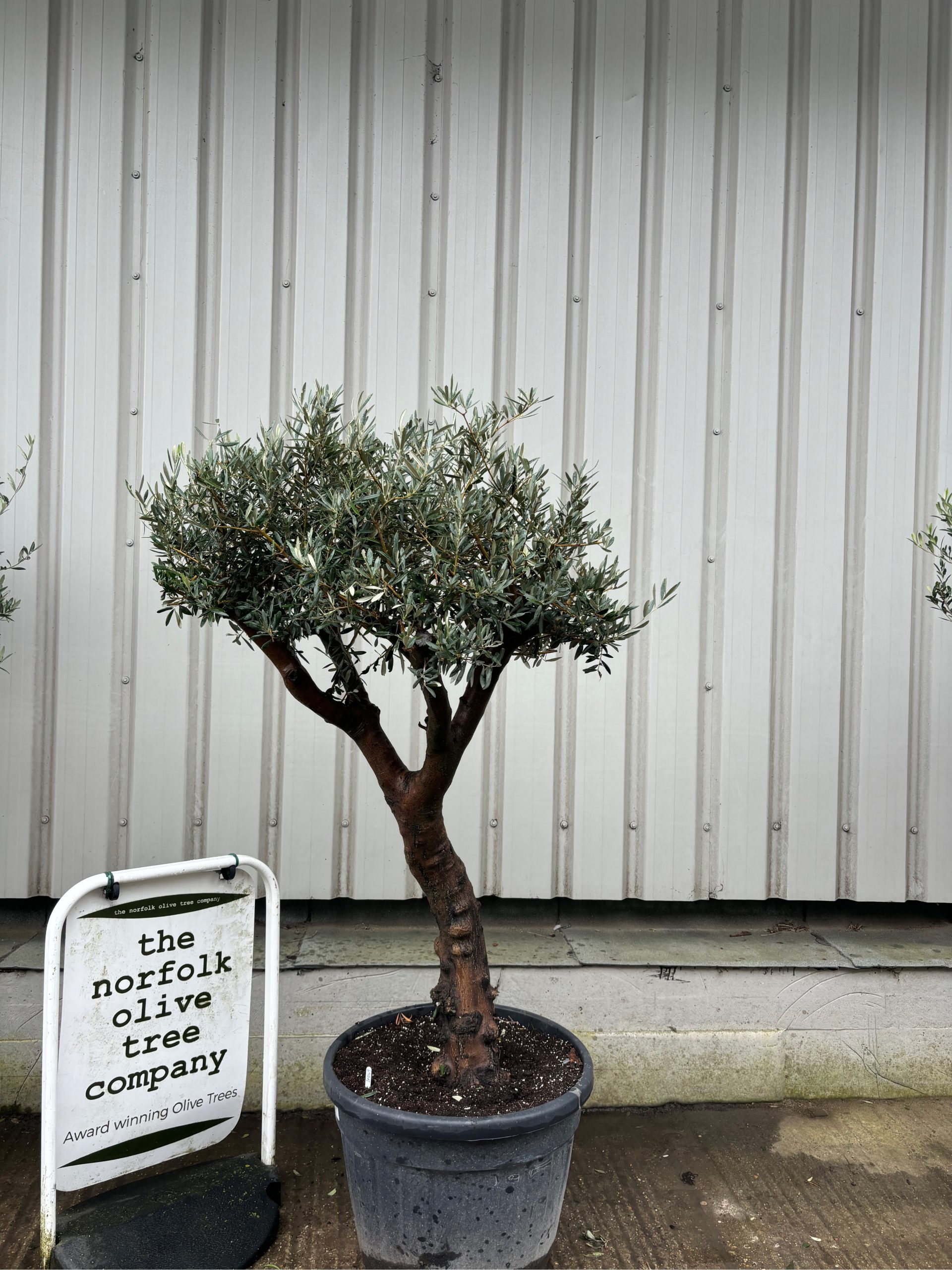
Selecting a tree with a distinctive trunk means the tree will continue to gain character as it matures, becoming an increasingly valuable feature within the garden.
For many buyers, an olive tree becomes a long-term feature of the garden — you are planting a tree for generations to come. That makes choosing the right specimen an important decision.
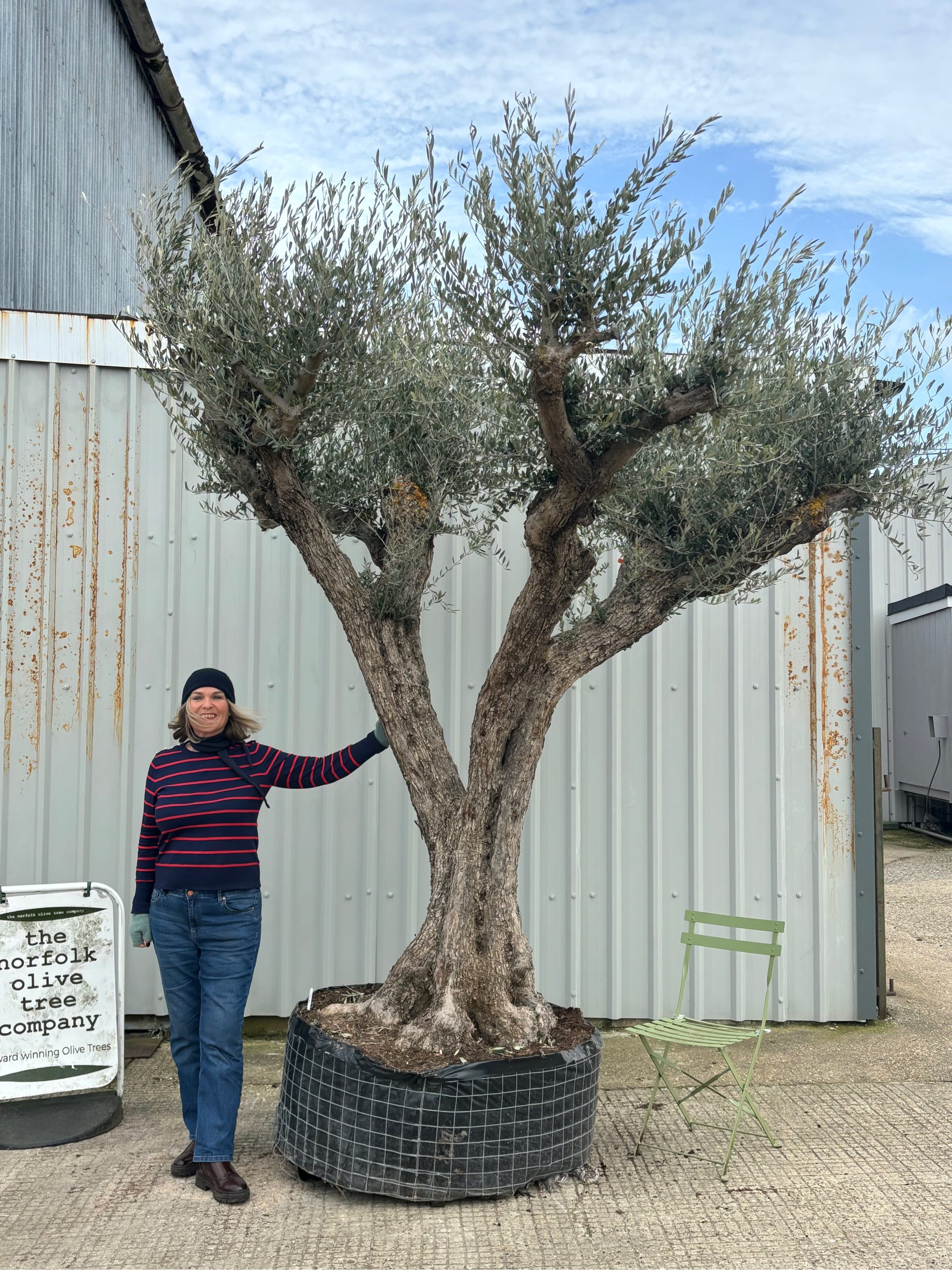
At The Norfolk Olive Tree Company, we believe selecting an olive tree should be an enjoyable and considered experience. Here is our specialist insight into what to look for when buying an olive tree in the UK.
Why Choosing the Right Olive Tree Matters
Olive trees are unlike many other garden plants. Rather than simply growing upwards each year, their appeal lies in their character and heritage.
A well-chosen olive tree can instantly create the atmosphere of a Mediterranean courtyard or terrace. Their twisting trunks and soft grey-green leaves provide architectural structure that works beautifully in both contemporary and traditional gardens.
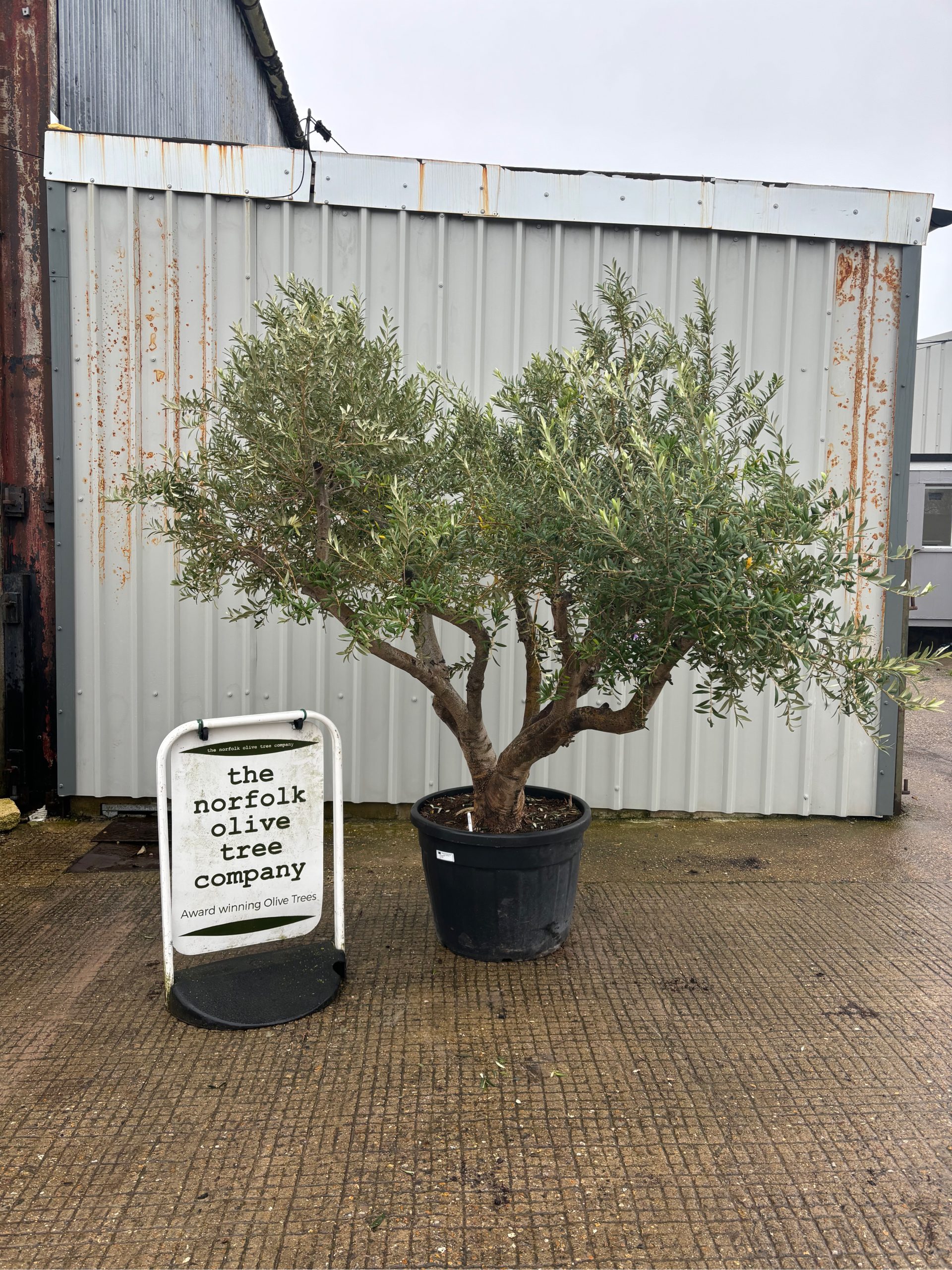
When buying an olive tree, the goal is not just height or foliage. It is about selecting a tree with presence, balance and personality.
This is why many gardeners now choose mature olive trees, which bring immediate impact and character from the moment they arrive.
Young Olive Trees vs Mature Olive Trees
One of the first decisions when buying an olive tree is whether to choose a young nursery tree or a mature specimen.
Young olive trees are typically straight, slender and relatively uniform. While they can grow beautifully over time, they may take many years to develop the distinctive shapes associated with ancient Mediterranean groves.
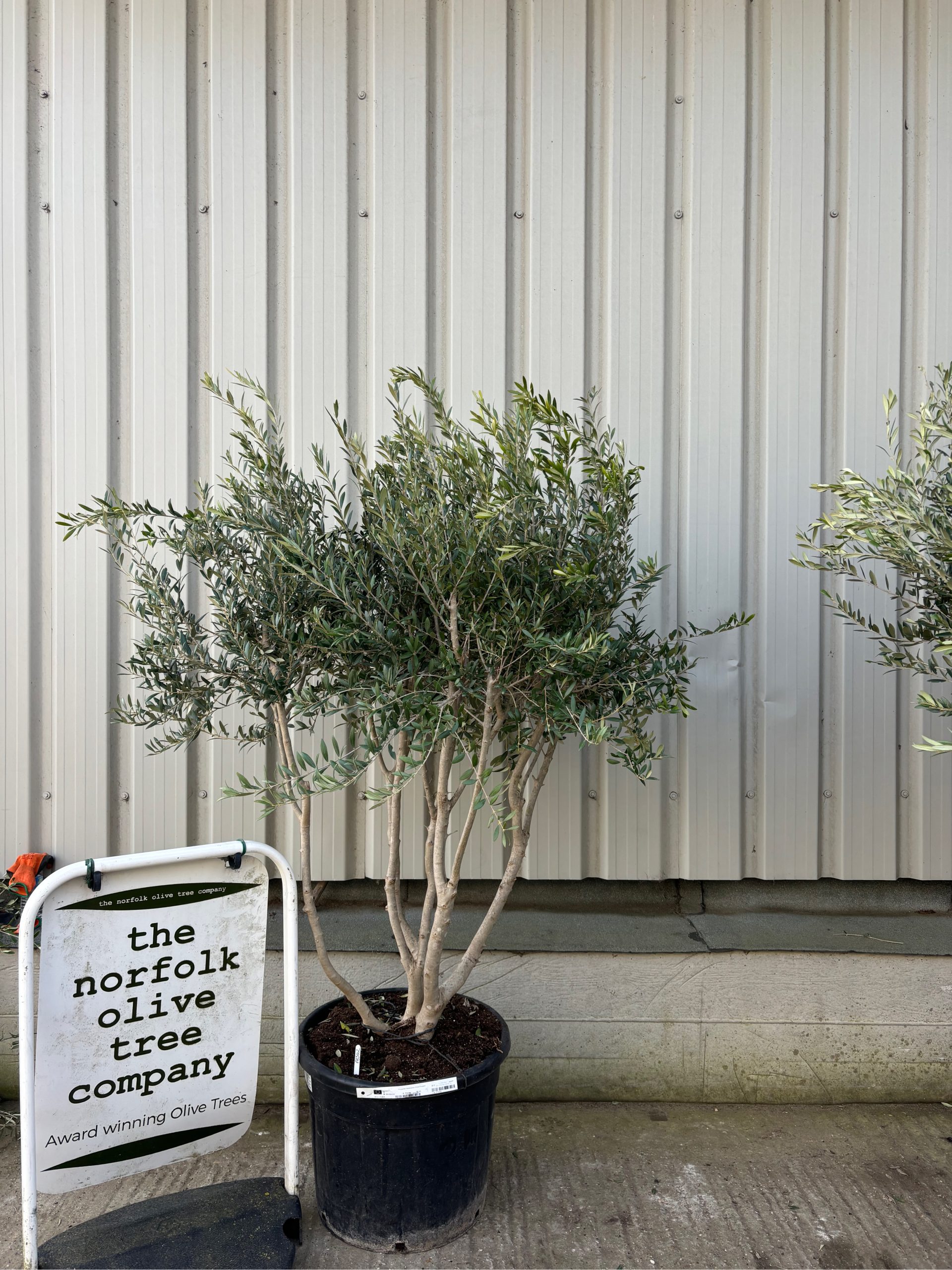
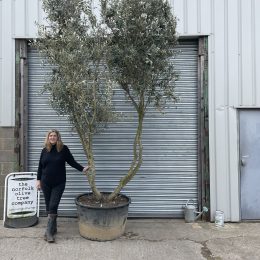
Mature olive trees, by contrast, already display the sculptural qualities that make these trees so admired. Gnarled trunks, natural hollows and twisting forms create a sense of age and authenticity that cannot easily be replicated.
For many customers, a mature tree provides the instant Mediterranean character they are hoping to achieve.
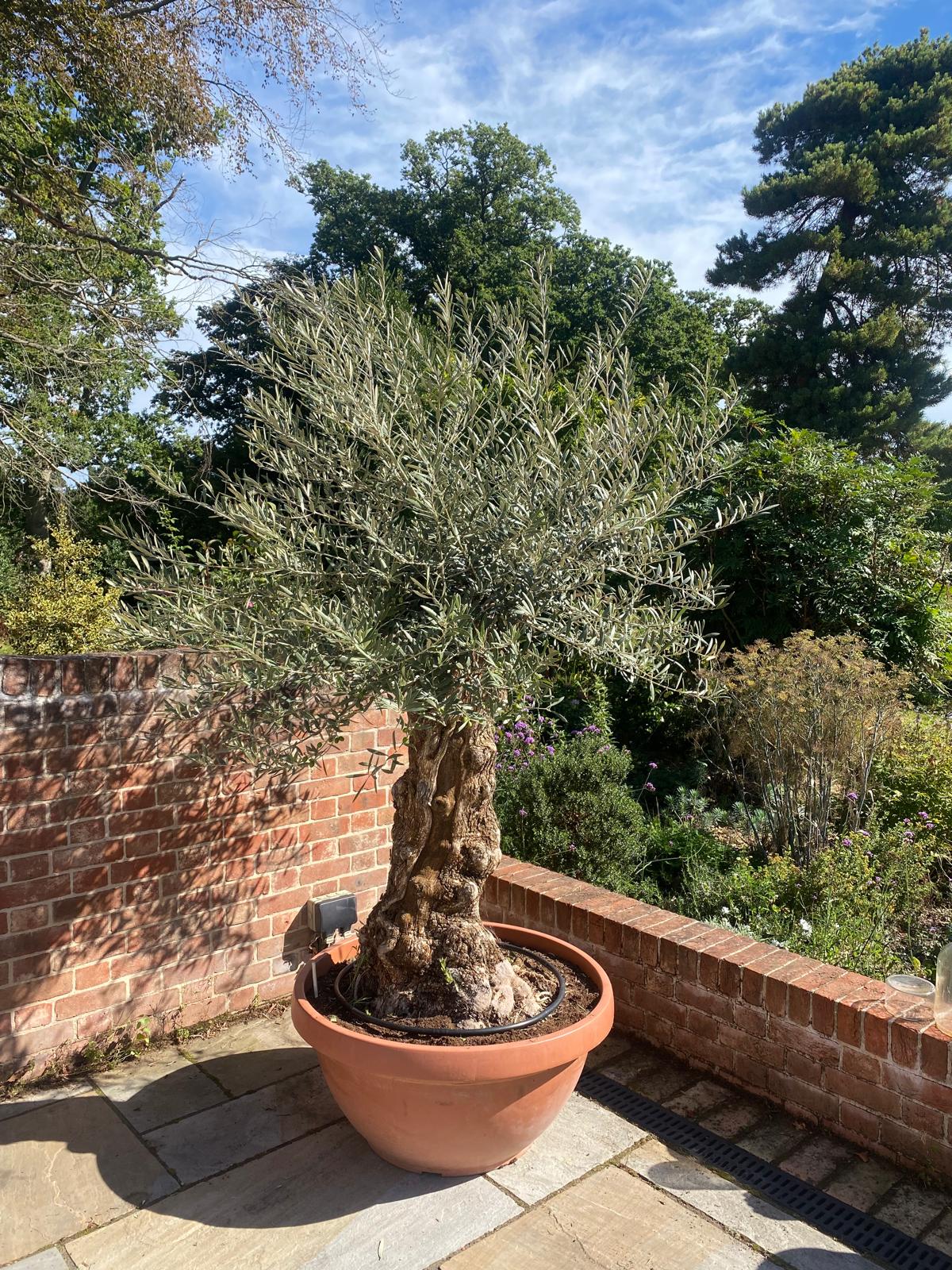
Trunk Character: The Feature Many Buyers Overlook
Perhaps the most important feature of any olive tree is its trunk.
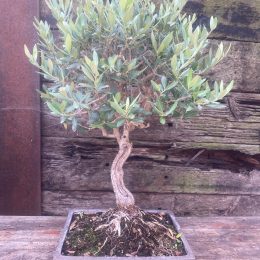
Height and canopy size can always change as a tree grows, but the trunk is what gives an olive tree its unique personality. Some trunks spiral elegantly, others twist dramatically, and many have the beautiful fissures and textures that develop over decades.
When selecting a specimen, it is worth taking time to appreciate the individuality of each tree. Two olive trees of the same size can look completely different simply because of the character of their trunks.
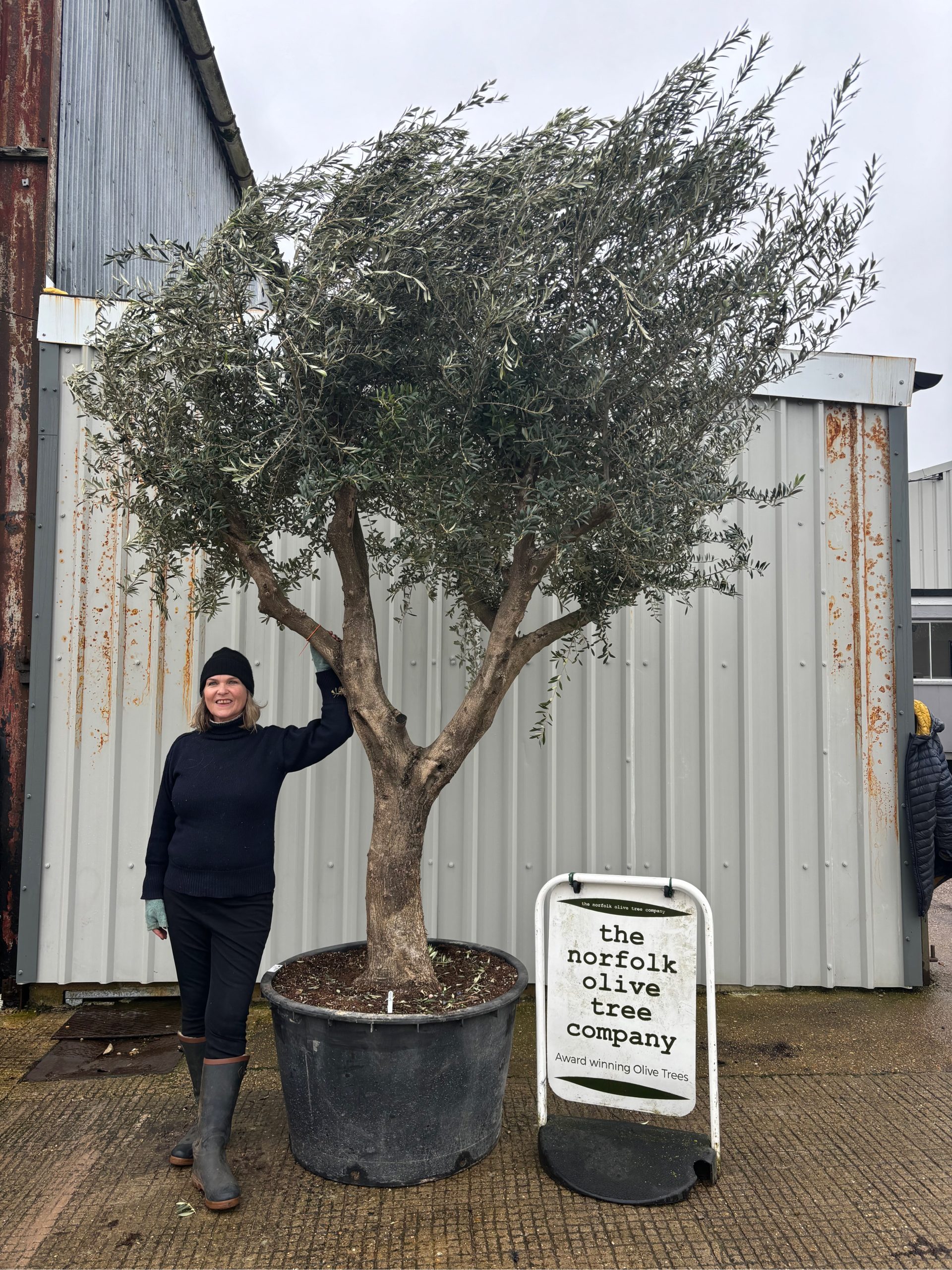
This is why specialist nurseries carefully select trees for their sculptural qualities rather than just their height.
Choosing the Right Size Olive Tree
Olive trees are wonderfully versatile and can suit a wide range of gardens.
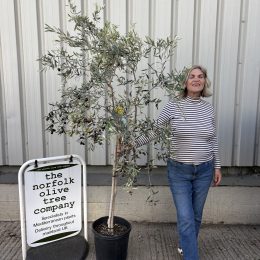
In smaller spaces, a compact specimen can provide a focal point for a patio or courtyard. Positioned in a large planter or beside seating, an olive tree can instantly soften hard landscaping and create a relaxed Mediterranean feel.
Larger gardens often suit more substantial specimens. Tall or multi-stem olive trees can frame entrances, anchor borders or add structure to expansive lawns.
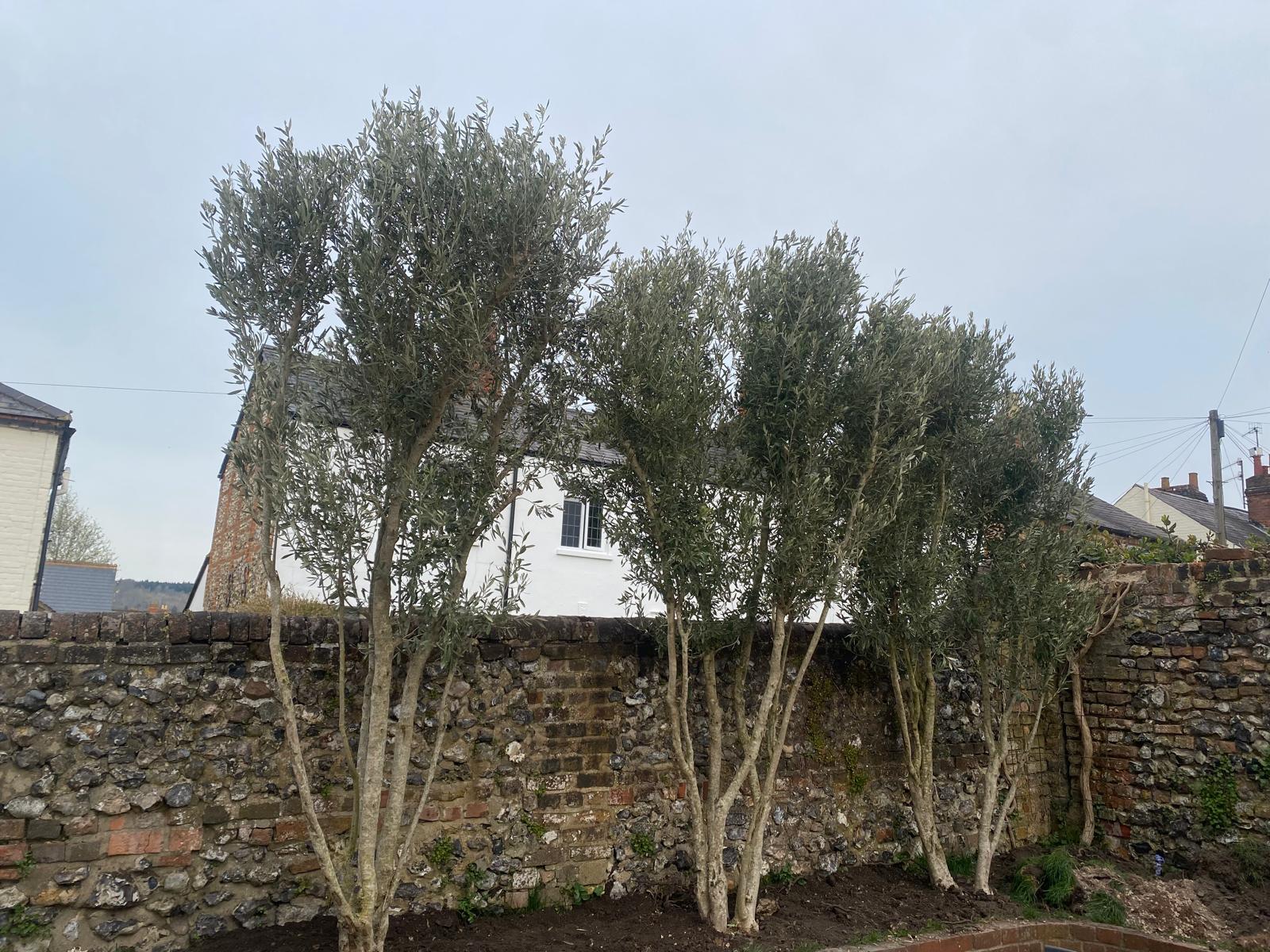
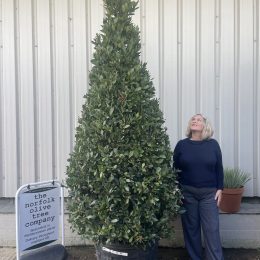
For those seeking privacy or architectural impact, larger specimens can also be used alongside other structured planting to help create natural screening and definition within a garden.
Ultimately, the right size olive tree is the one that feels in proportion with its surroundings and complements the space around it.
Why Buying from a Specialist Olive Tree Nursery Matters
Olive trees are remarkable plants, but they also benefit from careful sourcing and handling.
A specialist nursery focuses on selecting trees with exceptional trunk character and balanced structure, ensuring each specimen has the presence and beauty customers are looking for.
At The Norfolk Olive Tree Company, every olive tree is chosen for its individuality and quality. Our aim is to provide trees that bring instant character and long-term enjoyment to the garden.
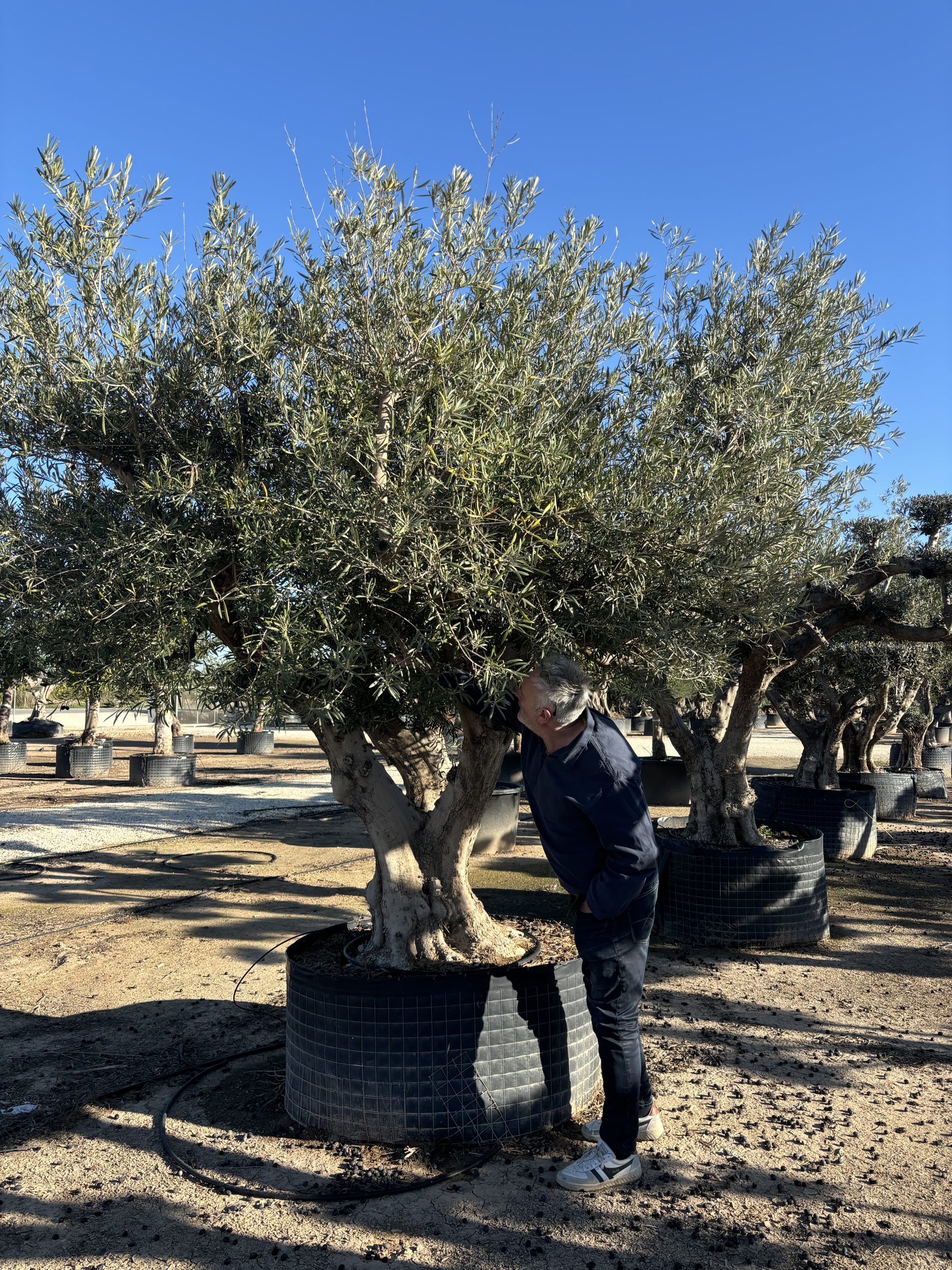
From selecting the right specimen to arranging careful delivery, working with a specialist ensures the entire process is handled with expertise.
If you are ready to choose a tree, explore our carefully selected collection of olive trees for sale.
Frequently Asked Questions About Buying Olive Trees
How are olive trees delivered?
Our olive trees are delivered directly into your front garden where they belong — never left roadside.
Our experienced team carefully position each tree so it arrives safely and ready for planting.
Do your olive trees meet UK plant health requirements?
Yes. All of our olive trees meet the plant health requirements set by DEFRA and are inspected to ensure they comply fully with UK regulations before reaching customers.
Are olive trees hardy in the UK?
Yes. Olive trees are very hardy and well suited to the UK climate, particularly when planted in a sunny, well-drained position.
Do I need to fleece an olive tree in winter?
We do not normally recommend fleecing olive trees.
Protection is only advisable if night temperatures drop for a sustained period of time.
Choosing an Olive Tree That Will Last for Generations
An olive tree is not simply another garden purchase. It is a living feature that can grow more beautiful with each passing year.
Choosing a tree with character, balance and presence ensures it will remain a focal point for decades to come. With the right specimen, an olive tree becomes more than a plant — it becomes part of the story of a garden.
For many customers, that is exactly what makes an olive tree so special.