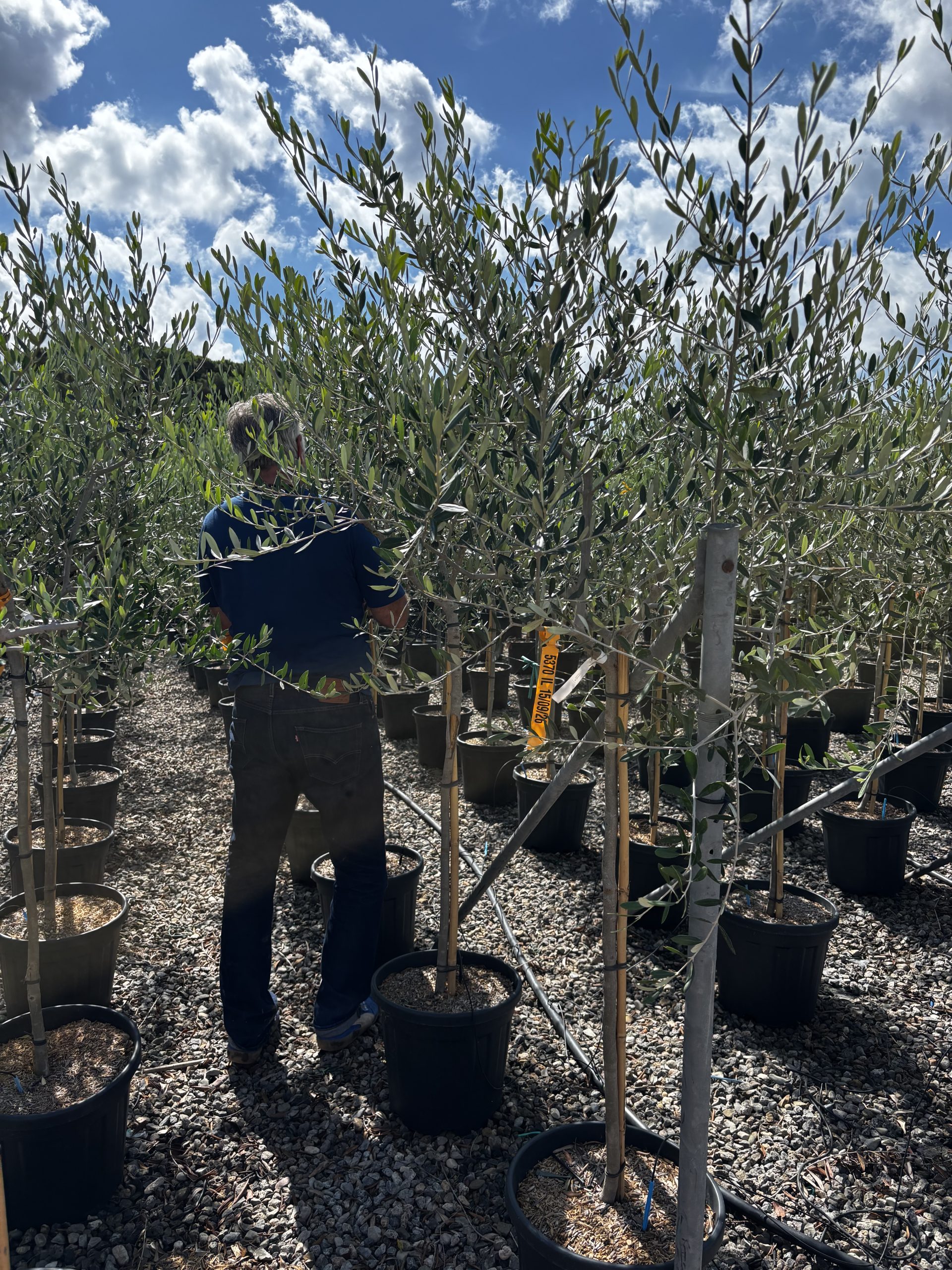
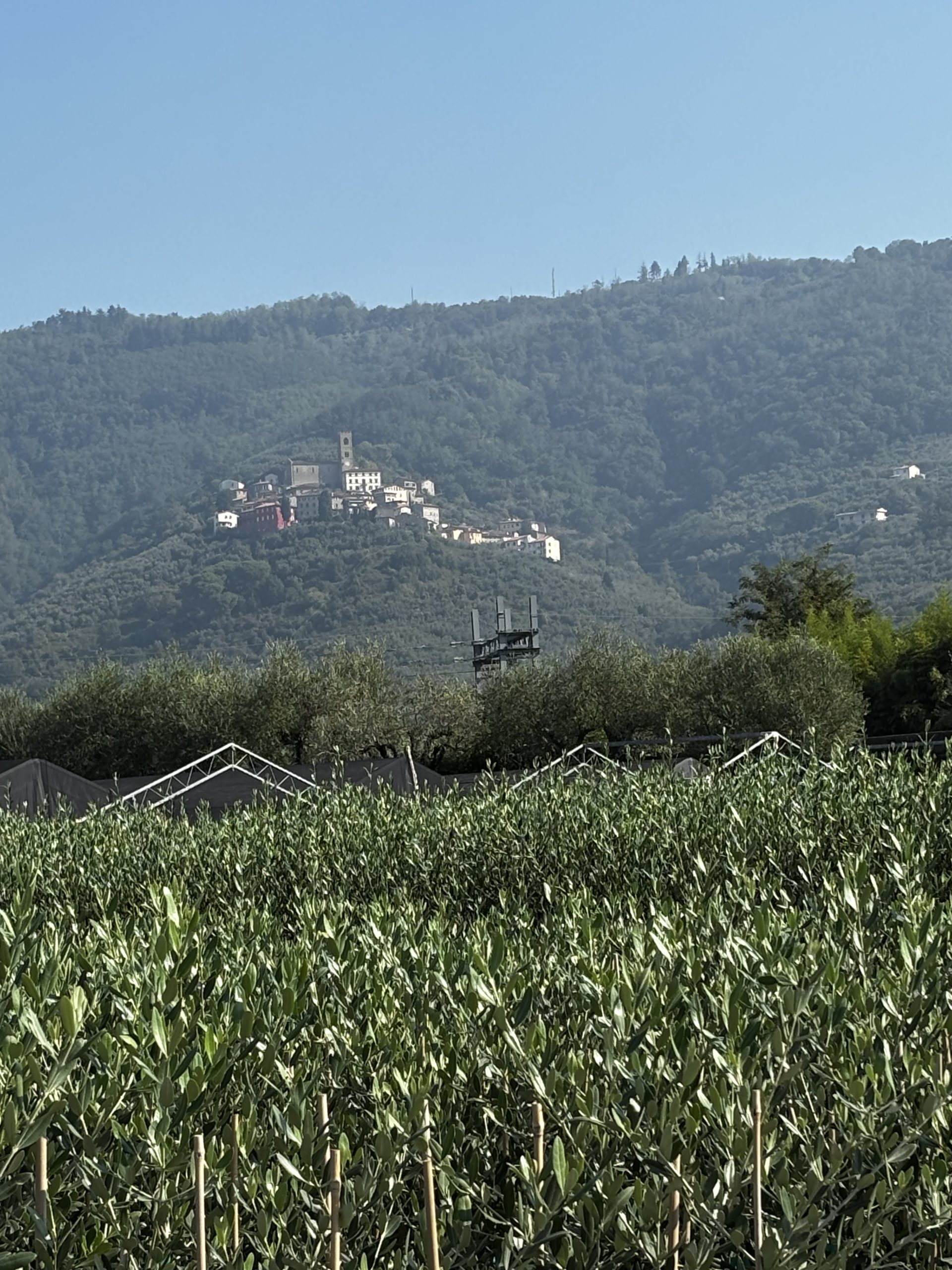
We have been growing and supplying olives for more than a decade, but there is always something new to discover. This autumn we are adding three particularly interesting olive cultivars to our Grow Your Own Olive collection: Moraiolo, Bianchera and Coratina. We’re back from a wonderful week in Tuscany, where we spent time with our grower Fabrizio and, as always, came away with far more than just trees.
Fabrizio has a specialist knowledge of olives that is quite something. Seeing the trees growing, talking through the different cultivars and listening to his experience is a reminder of why we love working directly with growers who really know their plants.
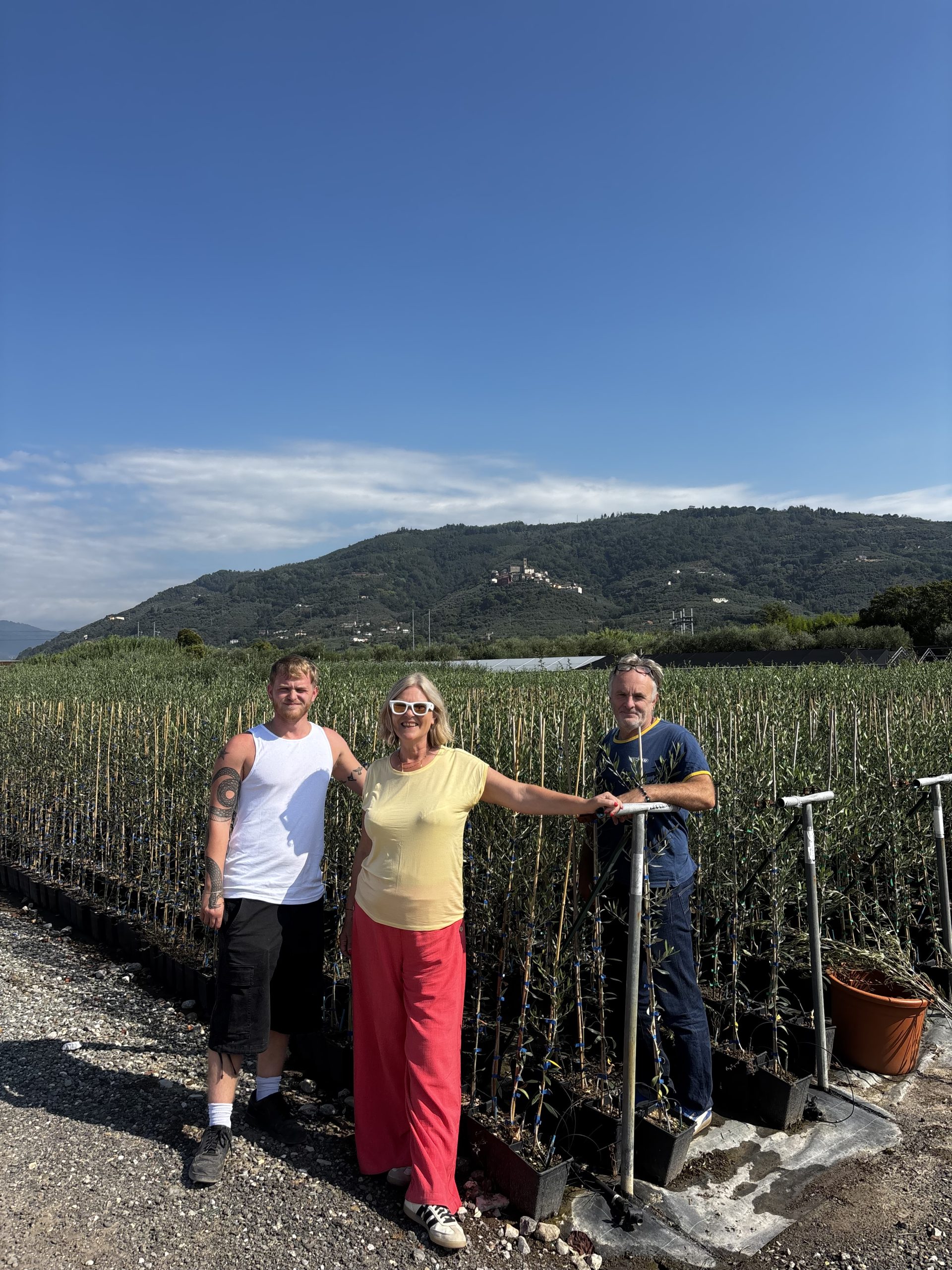
These are not the usual garden-centre olives. Each has a fascinating history, a distinctive growth habit and its own particular strengths as an olive for fruit and oil production. They will be arriving with us in October, ready to join our existing collection of Frantoio, Arbequina and Leccino.
For gardeners who enjoy growing something a little different — and perhaps one day harvesting their own olives — these are three very exciting additions.

Three new olive cultivars, each with a story to tell
Moraiolo – a Tuscan classic, rich in polyphenols
Moraiolo is a traditional Central Italian olive, particularly associated with Tuscany and Umbria. It is also known by a surprising number of local names, including Morello, Morellino, Morinello, Nerella, Neriolo and Tondello.
It is a relatively restrained tree, with low to medium vigour and an upright, compact habit. As it begins to fruit, the branches naturally become a little more spreading, giving it an attractive, characterful shape.
Moraiolo is particularly valued for its oil, which is known for its fruity, bitter and peppery character and high polyphenol content.
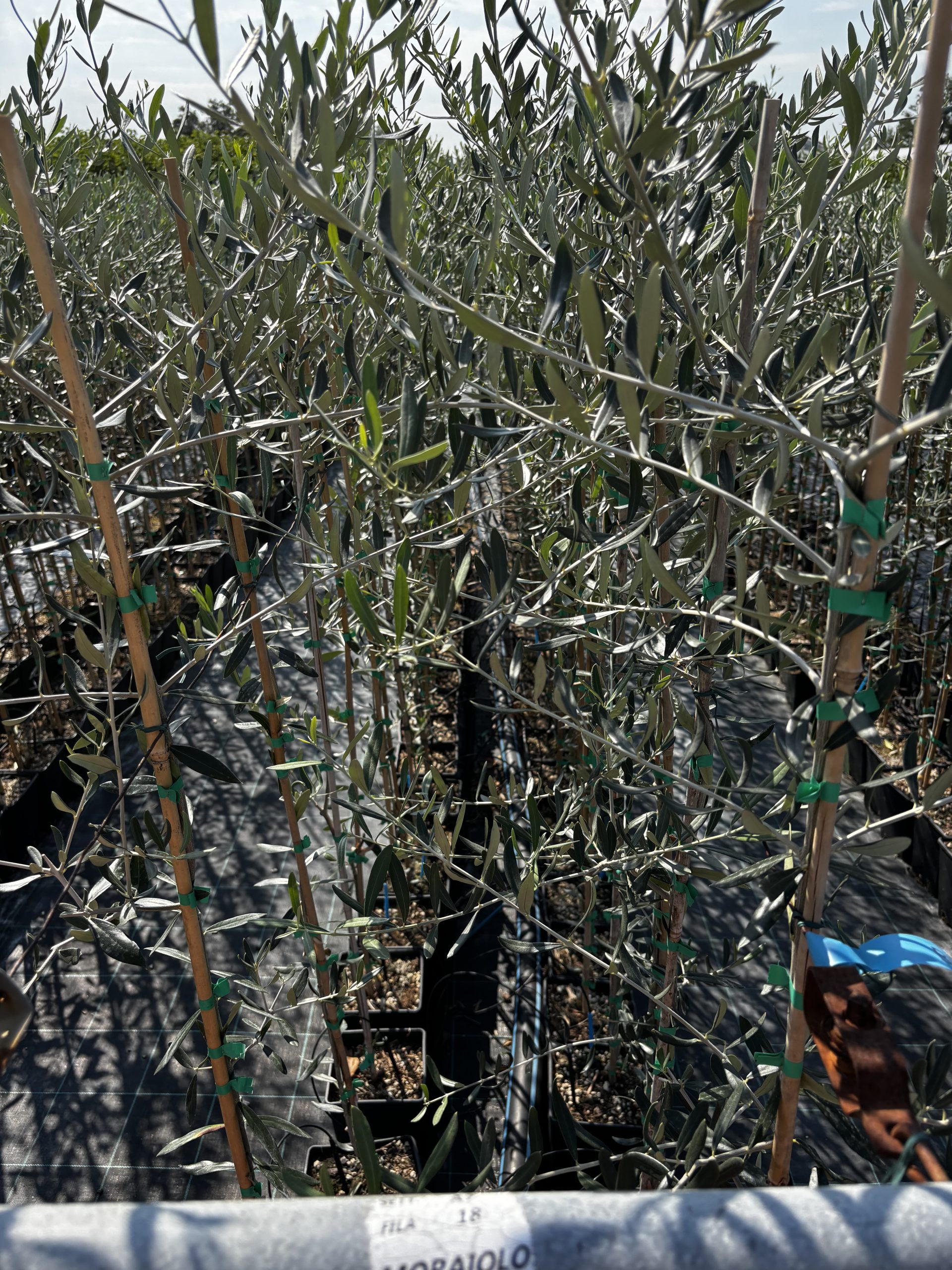
It is partially self-fertile, so it is best grown alongside another compatible olive rather than on its own. This makes Moraiolo a particularly good addition to a collection containing Frantoio or Leccino, giving your trees the opportunity for cross-pollination.
Moraiolo is also reasonably tolerant of wind and dry conditions and has traditionally been grown in the hills of central Italy. It is not, however, the variety I would choose for the most exposed or frost-prone British garden, so we recommend a sunny, sheltered position with excellent drainage.
At a glance:
- Italian/Tuscan heritage
- Upright, relatively compact growth
- High-quality oil with a naturally high polyphenol content
- Self-incompatible – grow with another olive for pollination
- Good tolerance of wind and dry conditions
- Best in a warm, sheltered UK position
Bianchera – the olive that made its home in Istria
Bianchera is perhaps the most intriguing of our new arrivals.
You may also encounter it under the names Belica, Istrska Belica, Istarska Bjelica or Bianca Istriana, depending upon where it is grown. It is particularly associated with the northern Adriatic region around Trieste, Slovenia and Istria.
And it has an extraordinary piece of horticultural history.
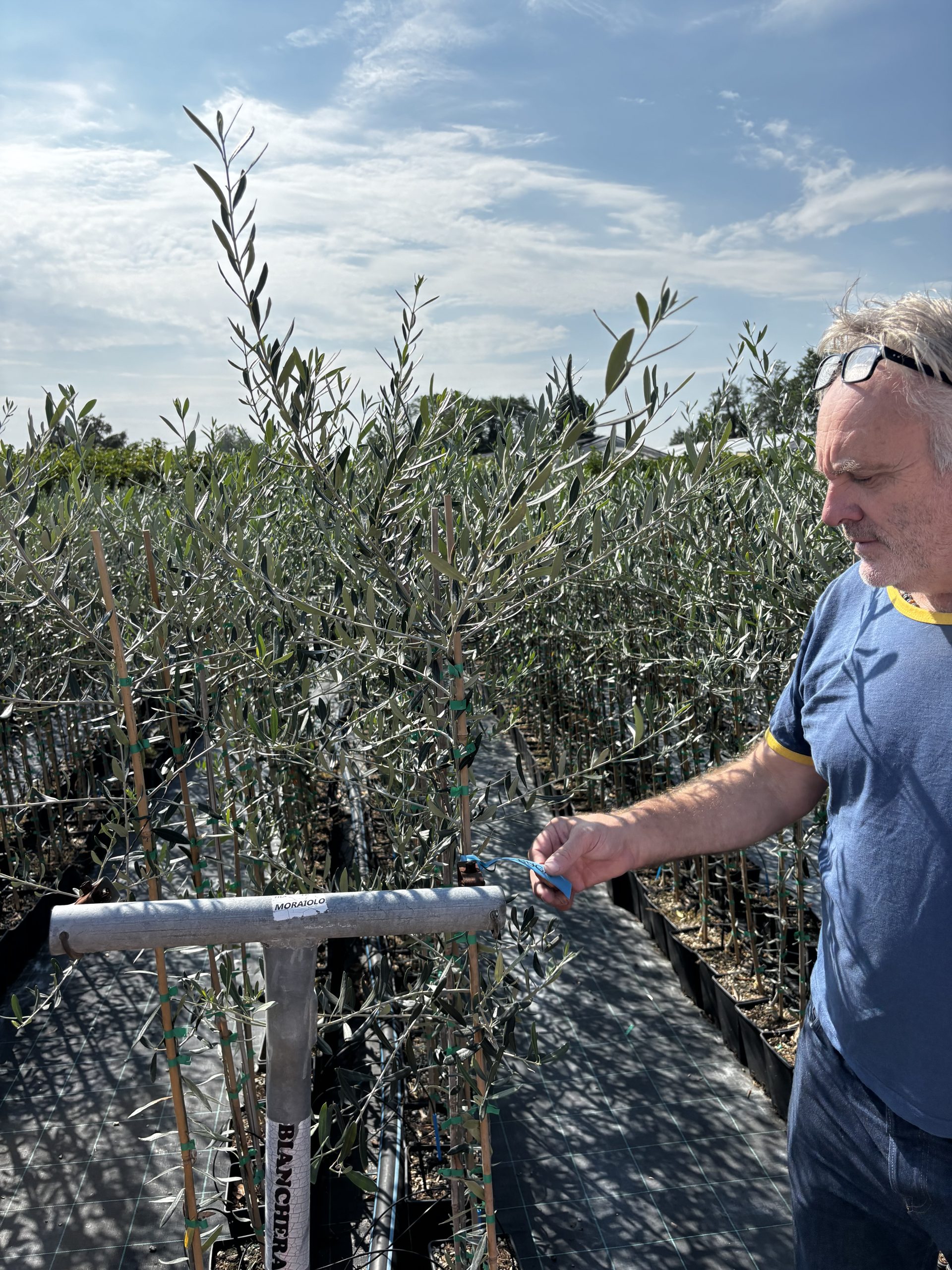
Following the devastating 1956 winter frost in Istria, Bianchera proved notably resilient to the cold and subsequently became one of the important olive cultivars of the region. It is still valued in this northern olive-growing area for its ability to cope with low temperatures and strong winds.
That makes it especially interesting for UK gardeners.
Bianchera is a vigorous, upright-growing olive with a dense canopy. It has a naturally strong presence in the garden and, unlike some smaller olives, has the potential to become a substantial tree over time.
It is sometimes described as self-fertile, although the evidence is more nuanced: it can set fruit by itself, but cross-pollination is beneficial and gives more reliable fruiting. In a mixed collection, this is another reason to grow it alongside varieties such as Frantoio or Leccino.
And then there is the oil.
Bianchera has been the subject of scientific research specifically because of its very high phenolic content and oleocanthal levels. Published analyses have found exceptionally rich phenolic profiles in some monovarietal Bianchera oils.
It is therefore a lovely combination of northern hardiness, strong growth and fascinating oil chemistry.
At a glance:
- Also known as Belica, Istrska Belica and Istarska Bjelica
- Northern Adriatic / Istrian heritage
- Vigorous, upright and naturally dense
- Notably tolerant of cold and wind
- Can self-set, but benefits from cross-pollination
- Particularly interesting for its naturally high polyphenol content
- An excellent choice for UK gardeners looking for something unusual
Coratina – the powerful Puglian olive
Coratina comes from Puglia in southern Italy and is one of the great traditional Italian oil cultivars.
It has several historical names, including Cima di Corato, Coratese and Racioppa di Corato, although Coratina is by far the name you are most likely to encounter today.
The tree has a very different character from Moraiolo. Coratina is medium-vigorous, spreading and naturally dense, eventually making a substantial, handsome olive tree.
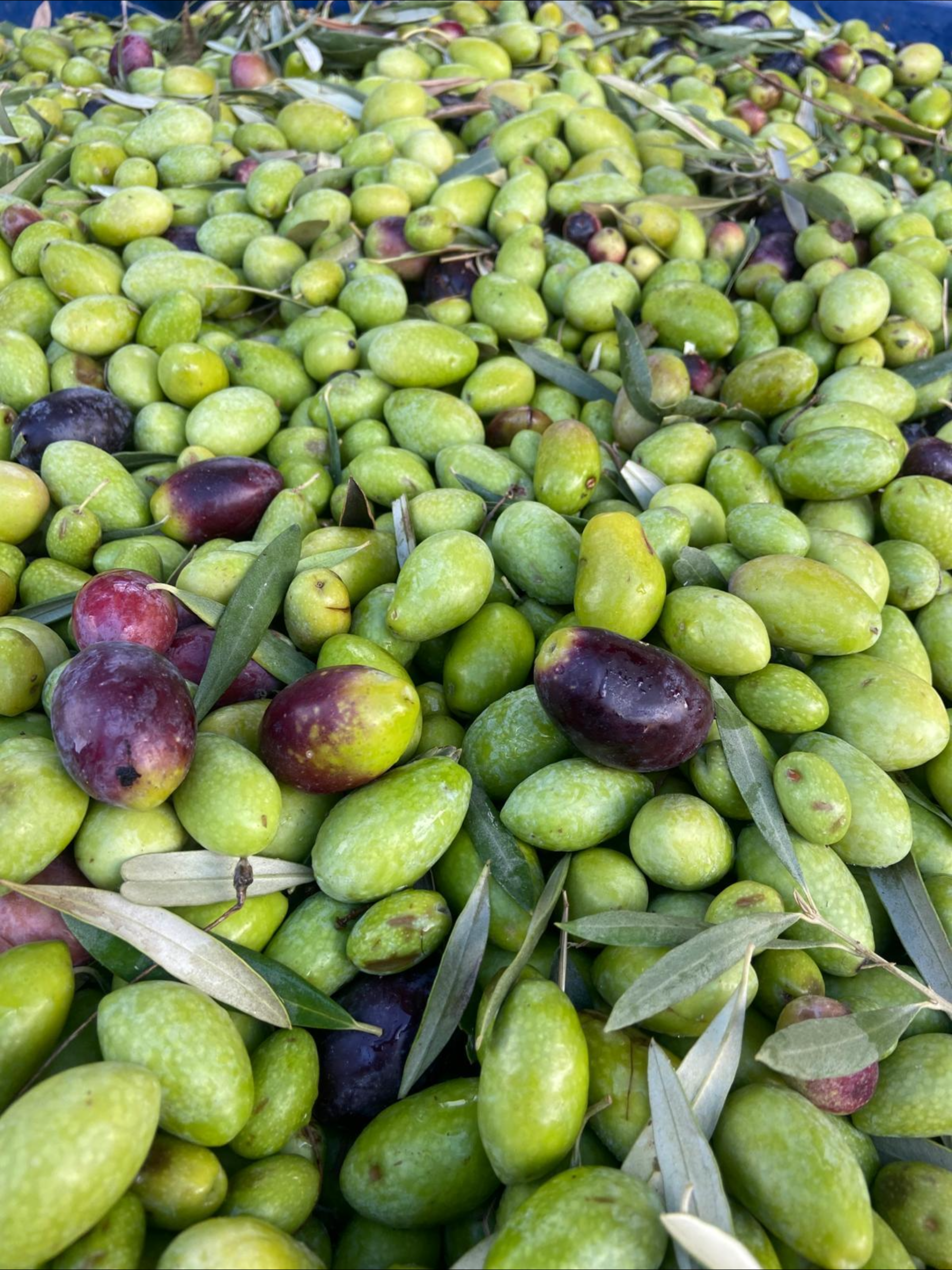
It is also an excellent fruiting variety. Coratina flowers relatively early, ripens late and gradually, and is valued commercially for its high oil yield. The International Olive Council records oil yields of around 20–23%, together with a high oleic-acid and total phenol content.
Its oil is famously green, fruity, bitter and peppery, with a particularly high concentration of phenolic compounds. This is one of the reasons Coratina is so prized by producers looking for robust, intensely flavoured extra virgin olive oil.
A note about pollination
Coratina is not a variety we would recommend growing completely alone. The International Olive Council records its self-fertility as low, and Cellina di Nardò is traditionally used as a polliniser in its home region.
In a UK garden, therefore, it makes much more sense as part of a mixed olive collection. Growing it alongside established cultivars such as Frantoio and Leccino gives you a much more interesting combination of varieties and flowering periods.
Coratina is described by the IOC as tolerant of cold, although other horticultural research has produced more variable results under controlled frost conditions. For a British garden, we would therefore give it a warm, sunny and sheltered position, particularly in colder areas or gardens exposed to early frosts.
At a glance:
- Traditional Puglian cultivar
- Also known as Cima di Corato and Coratese
- Medium vigour with a spreading, dense habit
- Late-ripening, high-oil-yielding variety
- Exceptionally interesting for its naturally high polyphenol content
- Low self-fertility – benefits from another olive nearby
- Best given a warm, sheltered UK position
How do the new varieties compare with Frantoio, Arbequina and Leccino?
Our Grow Your Own Olive collection now gives you the opportunity to grow a little olive grove rather than simply choosing a single tree.
Arbequina is a particularly good choice where space is limited, with a naturally more compact habit and the ability to produce fruit relatively young.
Frantoio is a classic Tuscan variety with excellent oil quality and useful pollination characteristics.
Leccino is one of the most widely grown Italian olives and is particularly valued for its adaptability and reputation for cold tolerance.
Why grow more than one olive?
If your aim is simply to grow a beautiful evergreen tree, one olive can be perfectly happy on its own.
But if you want to grow your own olives, planting more than one cultivar becomes much more interesting.
Olives are pollinated primarily by wind, and different cultivars flower at slightly different times and have different degrees of self-compatibility. Growing several compatible varieties together gives you a much better opportunity for successful pollination and fruit set.
Growing several compatible varieties together gives you a much better opportunity for successful pollination and fruit set.
It also means you can enjoy the differences between the cultivars themselves — from the compact habit of Moraiolo to the vigorous upright growth of Bianchera and the broader, denser character of Coratina.
And, of course, there is the fun of eventually discovering which variety performs best in your own garden.
Could England really grow olives for oil?
Increasingly, we are being approached by farmers and landowners who are experimenting with, or seriously considering, olives as a commercial crop. And we can understand why.
The idea no longer seems quite so far-fetched. The English Olive Company planted 18,000 olive trees on a Lincolnshire farm in 2024, producing its first small quantity of English extra virgin olive oil from the 2025 harvest. Their project is exploring which olive varieties can cope with an English climate, and how commercially viable olive oil production might become here.
And really, why not?
England has already developed an international reputation for producing exceptional wine, with vineyards now an established part of our agricultural landscape. As our climate changes, farmers are looking at crops that can make sense in warmer, drier conditions — and olives are beginning to enter that conversation. The English Olive Company itself describes its Lincolnshire project as a response to warmer and drier growing conditions and the need to explore alternative crops.
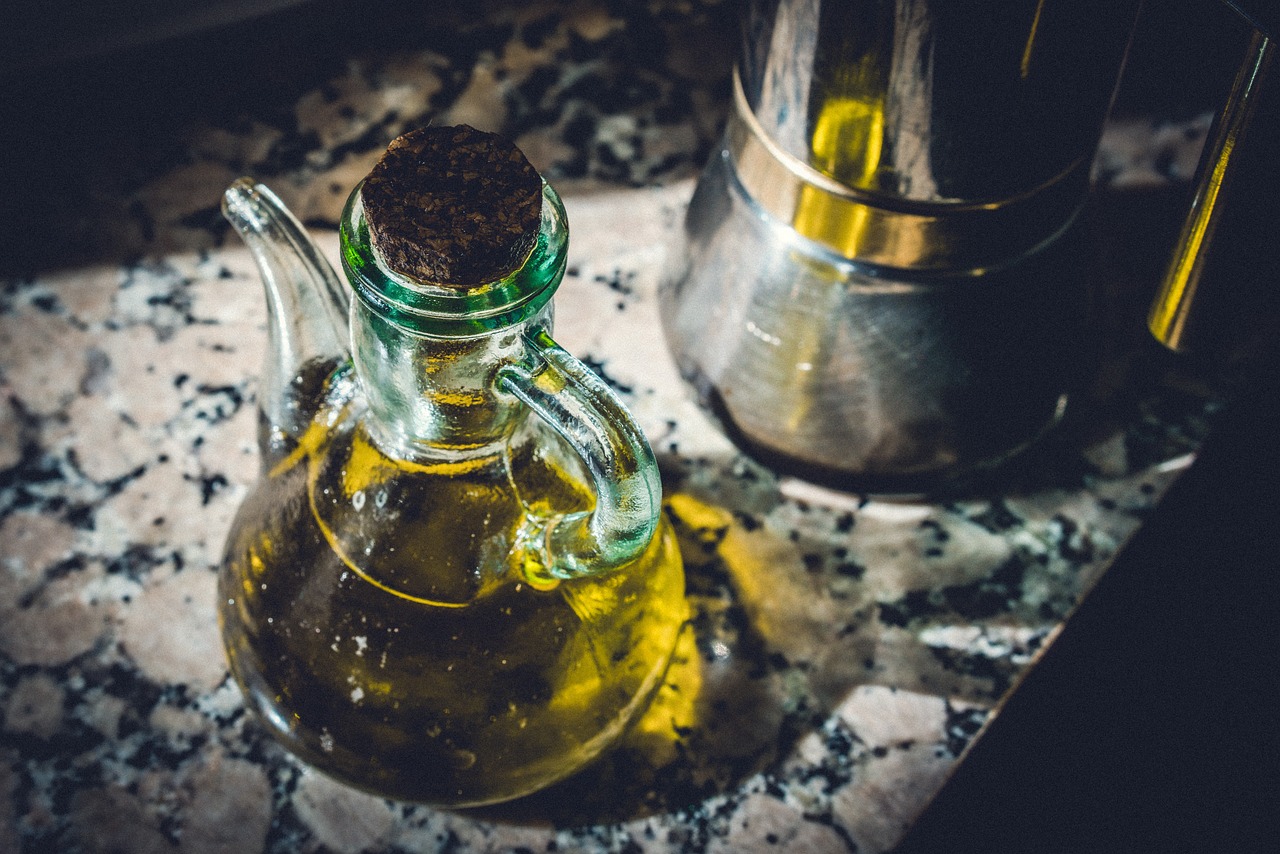
And that’s precisely why variety selection matters.
And it is one of the reasons we are becoming increasingly interested in lesser-known cultivars from across Europe. Moraiolo, Bianchera and Coratina each bring different characteristics to the table — from cold and wind tolerance to flowering behaviour, growth habit, pollination and oil quality. For us, discovering and understanding these cultivars is part of helping to explore what the future of the olive might look like here in the UK.
Perhaps one day, English olive oil will be as familiar to us as English sparkling wine. We certainly wouldn’t bet against it.
Our new olives arrive in October
We have chosen these cultivars because they are interesting trees as well as interesting olives.
During our visits to growers in Italy, we have been able to see the trees for ourselves, talk to the people producing them and learn more about the characteristics that don’t always make it onto a nursery label.

That specialist insight is important when introducing less familiar cultivars to UK gardeners.
Our Moraiolo, Bianchera and Coratina olives will arrive in October 2026 and will be available to add to our Grow Your Own Olive collection, alongside Frantoio, Arbequina and Leccino.
If you are thinking about growing your own olives, choosing two or three different cultivars can be a wonderful way to create a small, productive olive collection — and you don’t need a Mediterranean climate to enjoy the experience.
Choose the right variety, give it plenty of sun, good drainage and a sheltered position, and let the tree do what olives have been doing for thousands of years.