Fig Trees for UK Gardens | Mature & Multistem Figs
There is something rather special about a fig tree. Perhaps it is those enormous, beautifully shaped leaves. Perhaps it is the wonderfully architectural form of an older tree. Or perhaps it is the sheer pleasure of walking into your garden in late summer and picking a ripe fig straight from the tree.
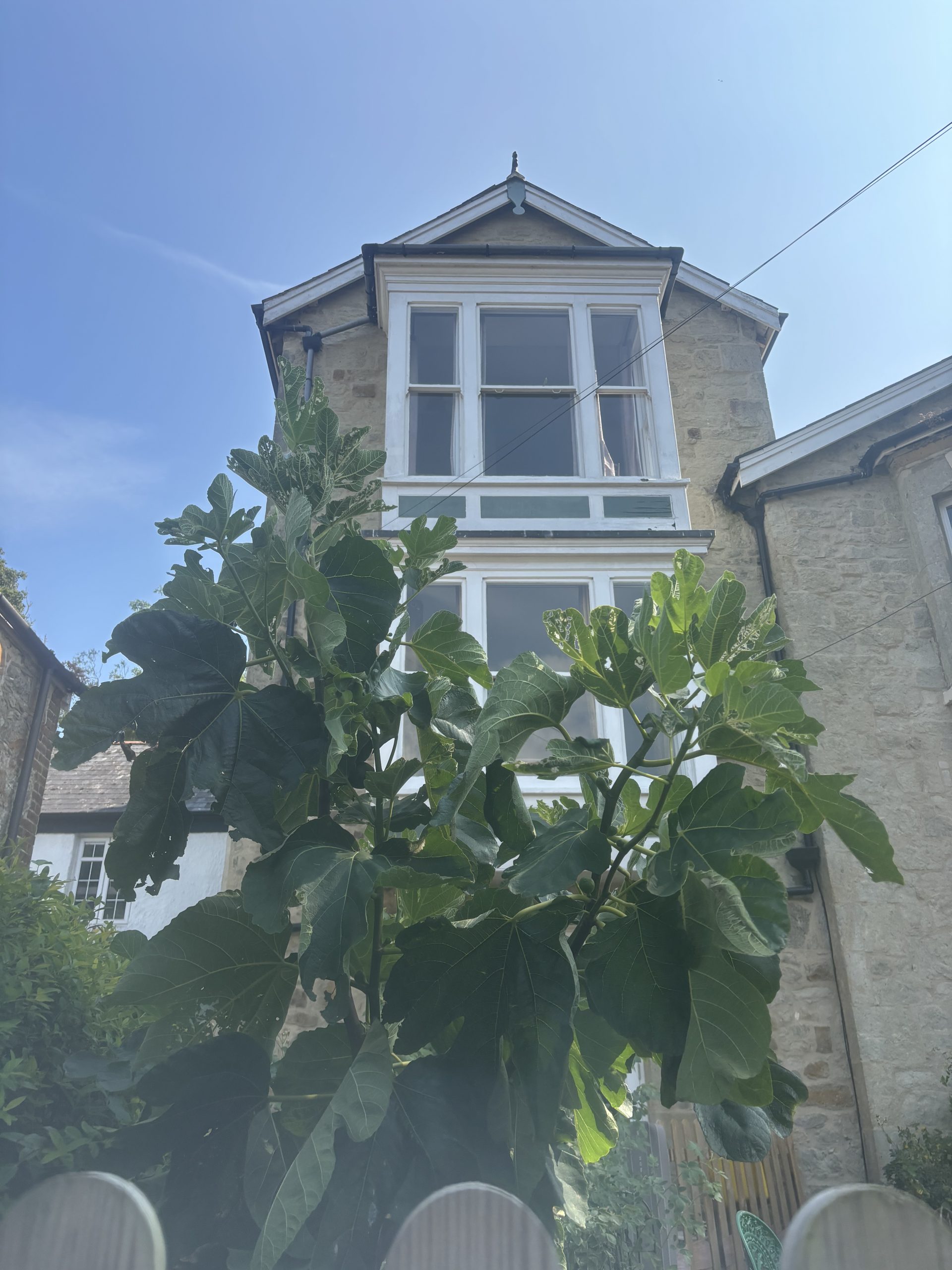
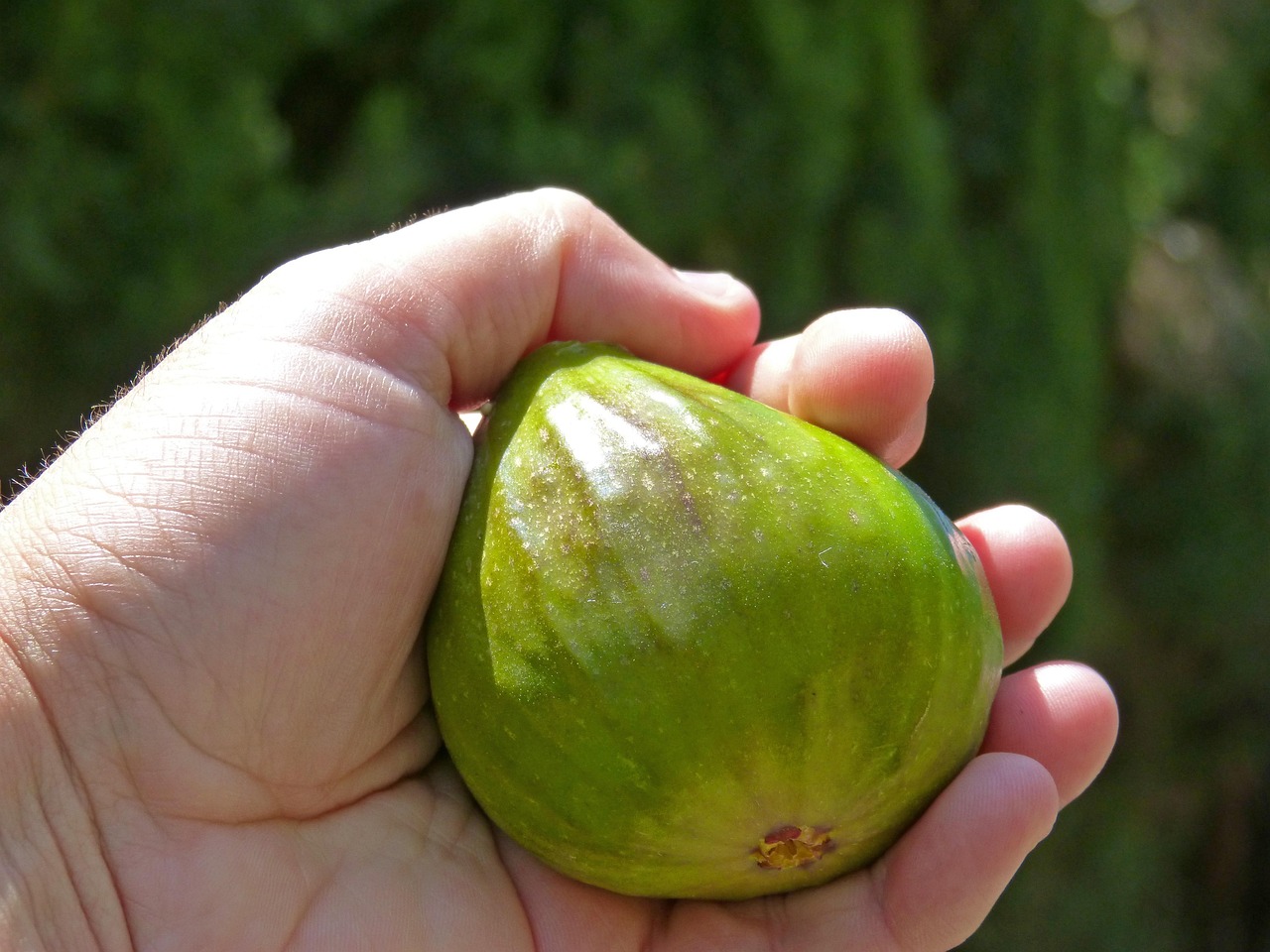
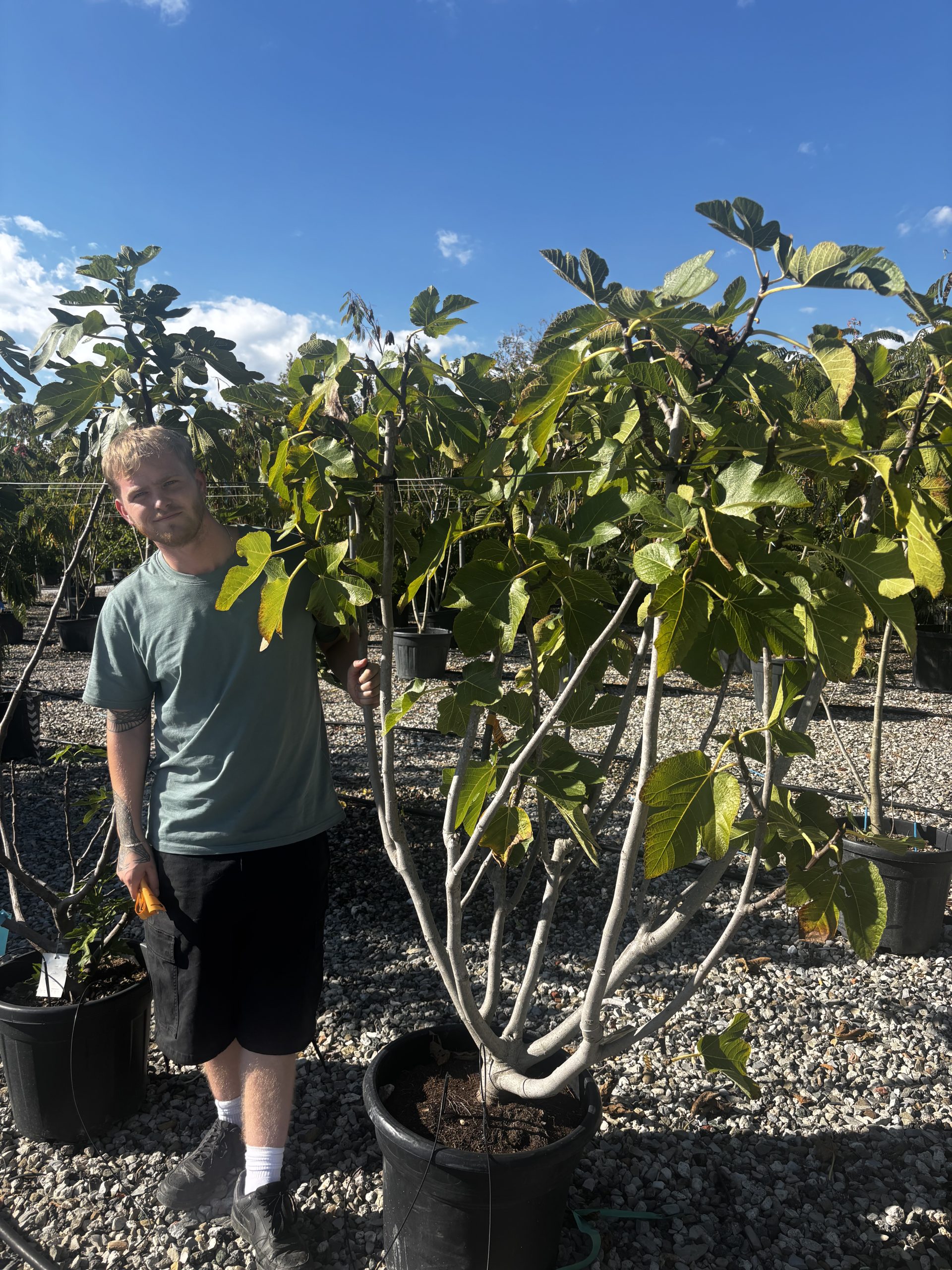
For us, it is all three. And after another buying trip to Spain and Italy, we are particularly excited about the figs coming into our collection this autumn. We have been selecting some beautiful multistem fig trees from Italy, alongside mature, well-branched trees from Spain. These aren’t trees chosen from a photograph or a catalogue. As with our olives, we like to see the trees ourselves, look at their structure and vigour and choose the ones we would be happy to put into a customer’s garden. And this year, we’ve also added something rather interesting for the Grow Your Own gardener: Ficus carica ‘Grise de Tarascon’, also known as ‘Dauphine’.
Why fig trees work so well in UK gardens
Figs look wonderfully Mediterranean, but they are much more at home in the UK than many people realise. A common fig (Ficus carica) is a deciduous tree or large shrub, losing its leaves in autumn before producing fresh, dramatic foliage again in spring. Given a warm, sunny position, it can make a very handsome garden tree — and unlike an ornamental tree that simply looks good, a fig can reward you with fruit too. That combination is what we particularly like.
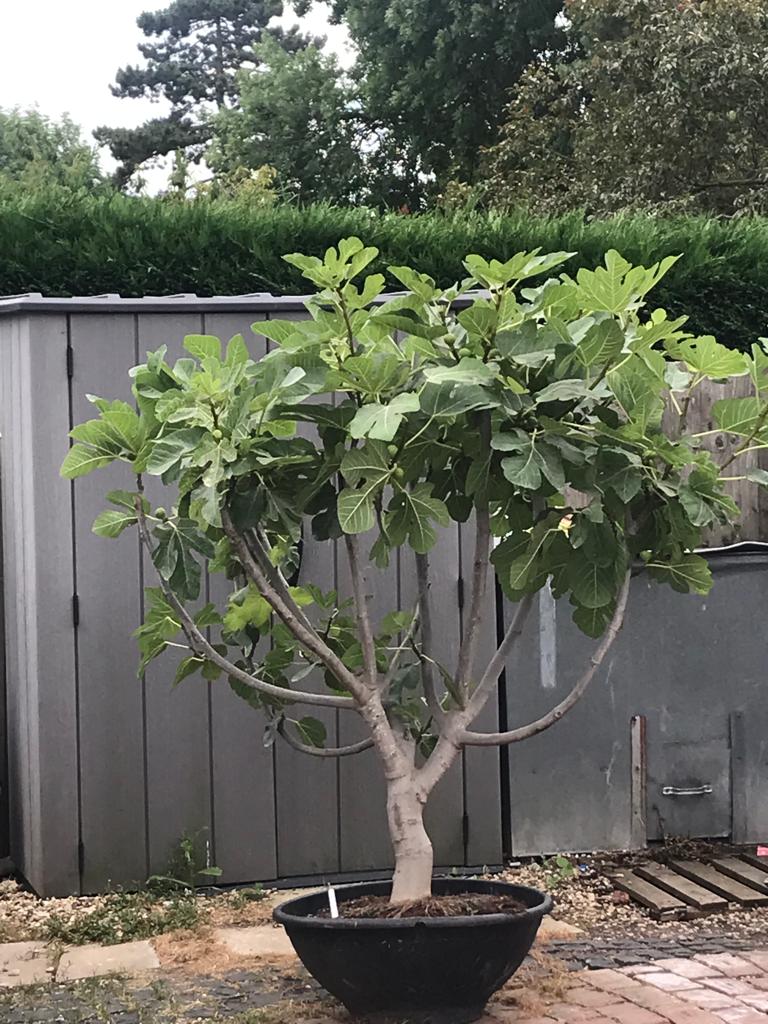
Ornamental, architectural and productive.
The increasingly warm summers we are experiencing also make the idea of growing figs in the UK rather appealing. But we wouldn’t describe figs as plants that can simply be planted anywhere and forgotten. Position still matters enormously.
A sunny, sheltered spot is ideal, particularly against a south- or west-facing wall where the wall can absorb and reflect warmth. Good drainage is important, and a newly planted fig will need regular watering while it establishes. Once established, however, a well-positioned fig can be remarkably resilient.
Grow your own figs – but give the roots some boundaries
Here is one of the most useful pieces of fig-growing advice we can give.
If you want fruit, don’t necessarily give a fig unlimited root space.
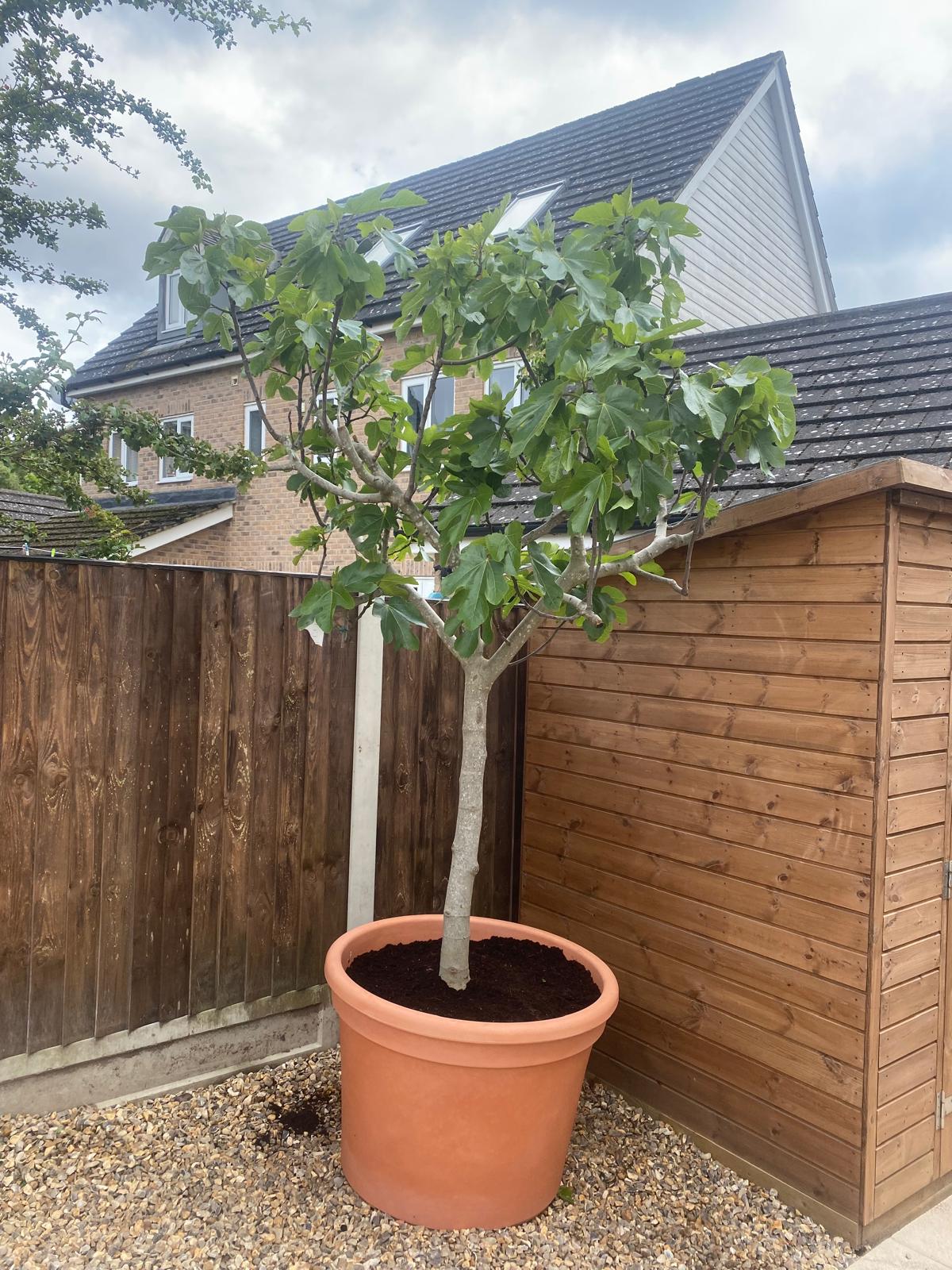
It sounds counterintuitive, but a fig with completely unrestricted roots can put a great deal of energy into producing vigorous leafy growth rather than fruit. Root restriction helps to keep the tree more compact and encourages it to concentrate its energy on fruit production. This is why figs are so often grown against walls or in containers, or planted into a purpose-built root-restricted area. You can sink a large container into the ground, or create a planting pit with restricted sides. The important thing is to allow good drainage while preventing the roots from simply travelling wherever they please. It is one of those small horticultural details that can make a surprisingly big difference.
Meet our new Grise de Tarascon fig
One of our new additions is Ficus carica ‘Grise de Tarascon’, also known as ‘Dauphine’ or ‘Violette Dauphine’.
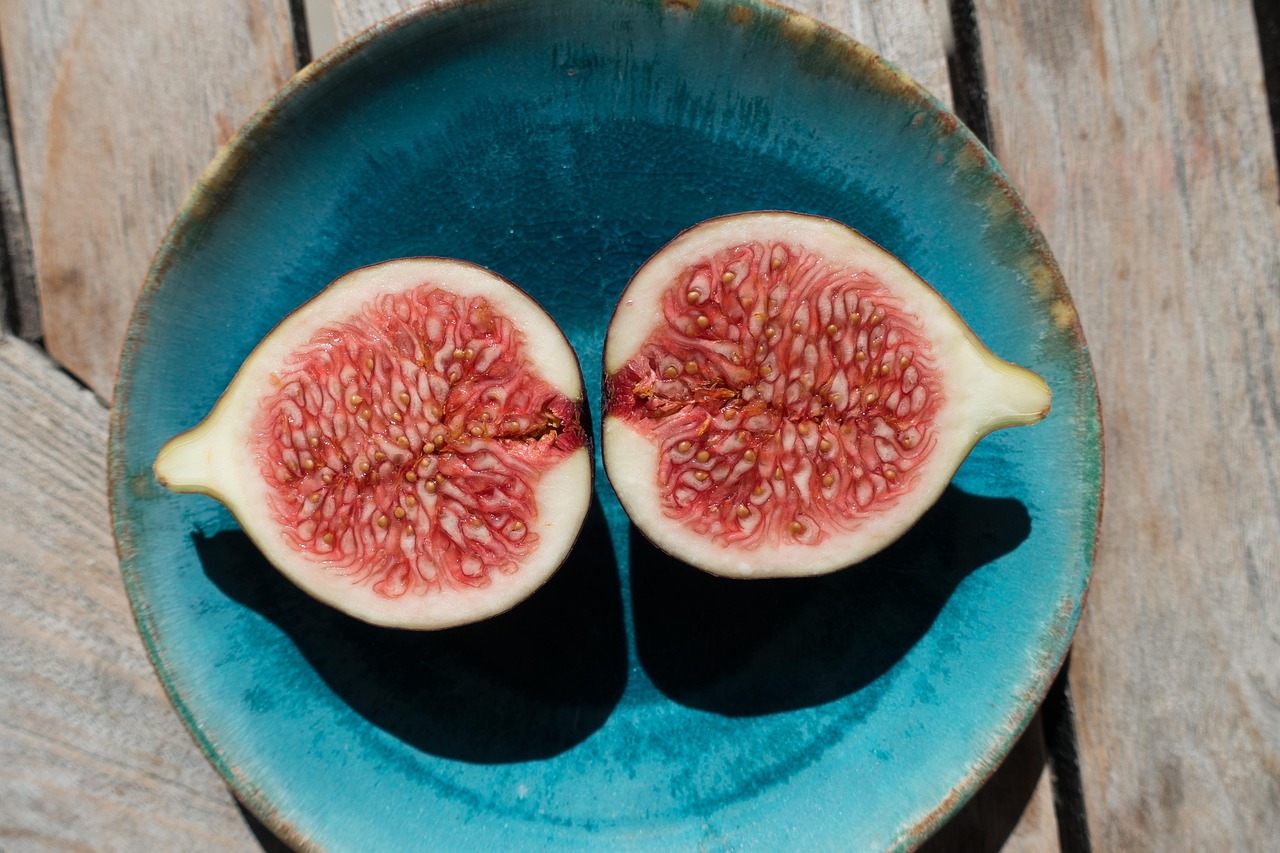
This is a particularly interesting variety for the UK gardener looking for something a little different. It is self-fertile, large-fruited and hardy, producing substantial figs which ripen to a beautiful violet-dark blue, often with a soft, velvety grey bloom over the skin. And the flavour sounds almost impossibly good. The fruits have been described as having notes of papaya, cane sugar and honey — quite fitting for a variety with a history associated with Versailles.
It is a vigorous and productive fig, but because it is a variety we would recommend for a warm, sheltered position, we think it is particularly suited to the gardener who has a good south- or west-facing wall, courtyard or sheltered garden.
The RHS currently lists ‘Grise de Tarascon’ as a synonym of ‘Dauphine’ and rates it H4, meaning it is hardy through most of the UK to around -10°C to -5°C, although the protection afforded by a good position still matters. (RHS)
A little fig-growing knowledge goes a long way
If your priority is fruit rather than simply growing a handsome foliage plant, there are a few things worth knowing.
Choose sun. A warm south- or west-facing position is ideal.
Think about drainage. Figs dislike sitting in waterlogged soil.
Restrict the roots. This helps control vigorous growth and encourages fruiting.
Don’t over-prune. Figs fruit on wood that needs to be retained, so pruning should be thoughtful rather than drastic. Spring is the safest time to remove frost-damaged or weak growth once the worst of the winter weather has passed.
And there is an interesting difference between growing figs in their native Mediterranean environment and growing them here. In the UK, the tiny developing fruits that appear towards the end of the season can be particularly important. These can overwinter and develop into the following summer’s crop, so protecting them from severe frost in colder or more exposed gardens can improve your chances of harvesting ripe fruit.
Mature figs for instant Mediterranean character
For customers who want the look of a more established garden without waiting years for a young tree to develop, our mature and well-branched figs from Spain are particularly exciting. There is a completely different feeling to a tree that already has character.
A mature fig can provide immediate structure, substantial foliage and that unmistakable Mediterranean presence — whether planted beside a terrace, against a warm wall or as part of a wider planting scheme.
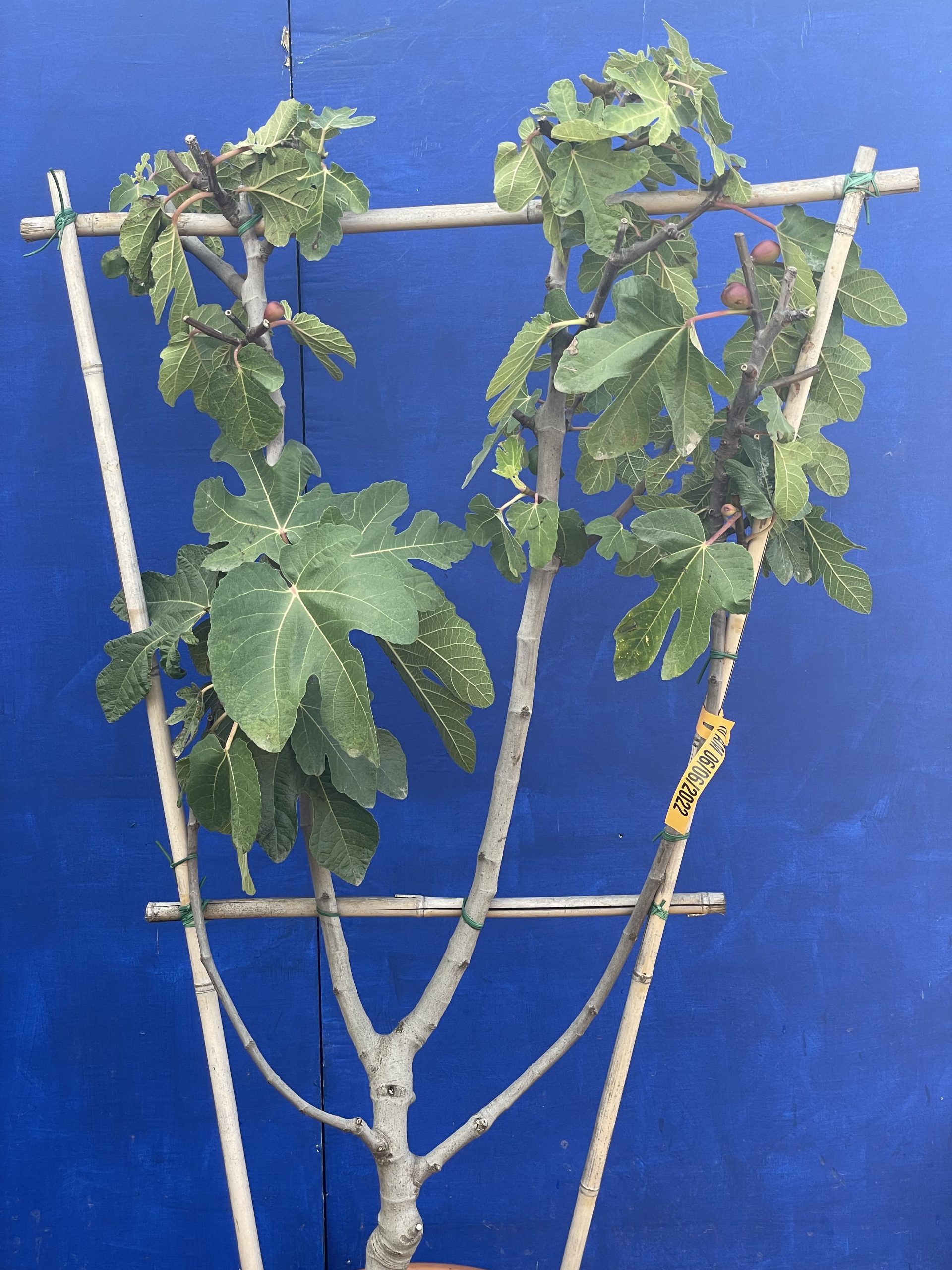
And our Italian multistem trees offer another look altogether. Several stems emerging from the base create a wonderfully natural, sculptural shape, giving the tree a sense of age and character even when it is planted into a relatively new garden. For us, this is what makes figs such an exciting part of the modern UK garden.
They don’t have to be grown purely as fruit trees. They can be beautiful garden trees that happen to give you figs.
A Mediterranean palette that feels at home in Britain
Our buying trips increasingly influence the way we think about planting in the UK. We are seeing more customers looking for gardens with a Mediterranean feel — not because they want to recreate Tuscany or Spain literally, but because they want planting that feels architectural, relaxed and able to cope with the increasingly hot, sunny summers we are experiencing. Olives, figs, grapes and hardy palms can sit beautifully alongside rosemary, lavender, grasses and other drought-tolerant planting.
It is a palette that gives gardens structure and personality while making sense for many of the conditions we are now experiencing in Britain. And that brings us back to the fig.
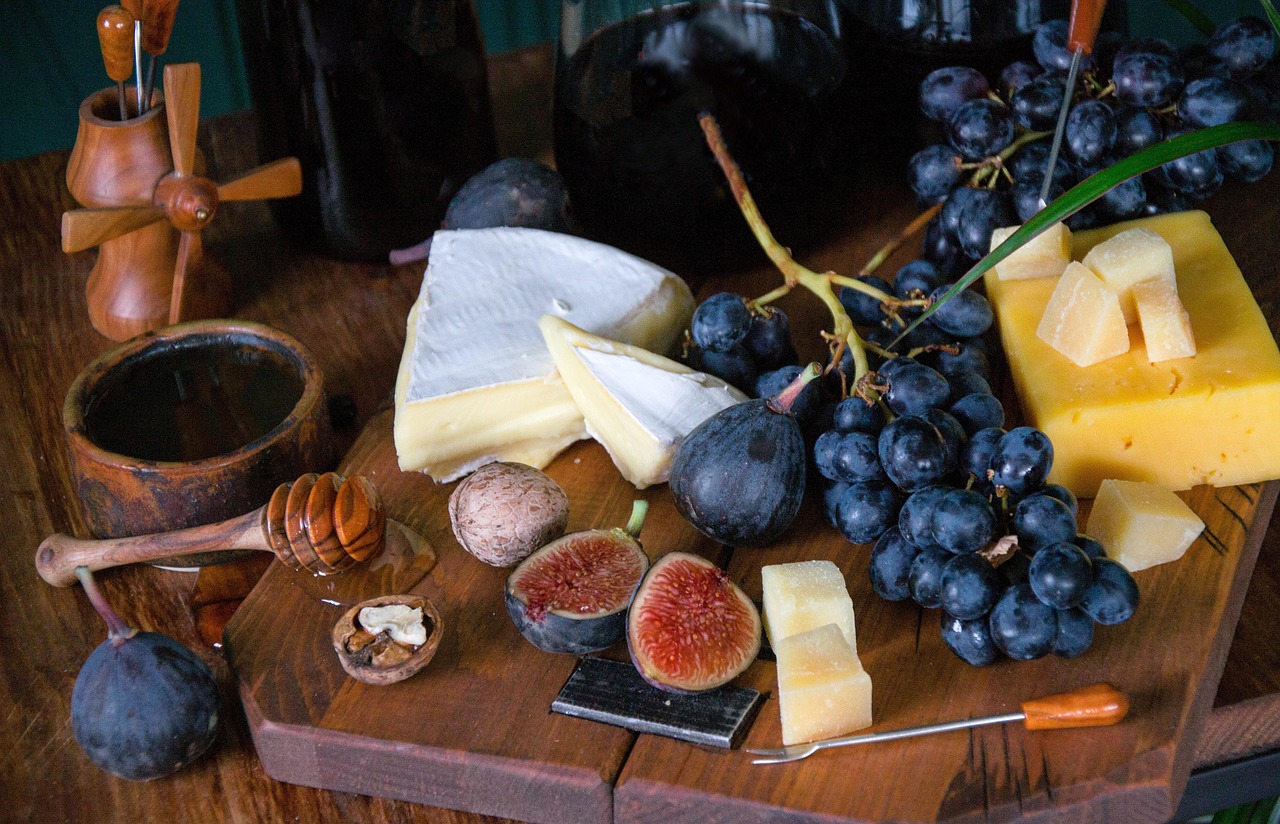
Beautiful. Productive. Architectural. Surprisingly hardy. And very much worth growing in the UK.
Our new Spanish and Italian figs will be arriving with us shortly ( mid-October 2027) alongside the new Grise de Tarascon (‘Dauphine’) for gardeners looking to grow their own.
As always, we have selected them because we like the trees ourselves — and we think they have something special to offer a British garden. Can’t wait till mid October? Then browse our current fig trees available and in stock now.
Frequently Asked Questions About Fig Trees in the UK
Are fig trees hardy enough to grow in the UK?
Yes. Common figs (Ficus carica) are surprisingly hardy and can be grown successfully in many parts of the UK. A warm, sunny and sheltered position is particularly important, especially if your priority is ripe fruit rather than simply attractive foliage.
What is the best position for a fig tree in the UK?
A sunny, sheltered position is ideal. A south- or west-facing wall is particularly useful because it provides warmth and shelter and can help fruit ripen. Good drainage is also important.
Should I restrict the roots of my fig tree?
Yes, particularly if you are growing the fig for fruit. Restricting the roots helps control vigorous leafy growth and encourages the tree to concentrate more of its energy on fruit production. Figs can be grown in large containers or planted into a purpose-built root-restricted area.
Can I grow figs in Norfolk and East Anglia?
Yes. Norfolk and East Anglia can provide excellent conditions for figs, particularly in warm, sunny and sheltered gardens. A well-positioned tree, good drainage and sensible establishment watering are key.
What is Grise de Tarascon?
Grise de Tarascon is a fig cultivar also known as ‘Dauphine’ or ‘Violette Dauphine’. It is a self-fertile, large-fruited variety producing violet-dark blue figs with a soft grey bloom. It is a vigorous and productive variety and is best suited to a warm, sheltered position.
Can I grow a fig tree for both fruit and ornamental interest?
Absolutely. Figs are particularly good garden trees because their large, deeply lobed leaves and architectural form provide ornamental interest, while the tree can also produce edible fruit. They work beautifully in Mediterranean-style, courtyard, informal and contemporary gardens.
Are mature fig trees worth buying?
For gardeners wanting immediate structure and character, a mature fig can make a dramatic difference. A well-branched established tree provides much more instant impact than a young tree and can become a focal point beside a terrace, wall or seating area.