The Extra-Large Jubaea Chilensis: A Rare Palm for Serious Gardens
The Jubaea chilensis, more commonly known as the Chilean Wine Palm, is widely regarded as one of the most impressive and desirable palms in the world. When grown to an extra-large size, it becomes far more than a plant — it is a living architectural feature that instantly defines a garden.
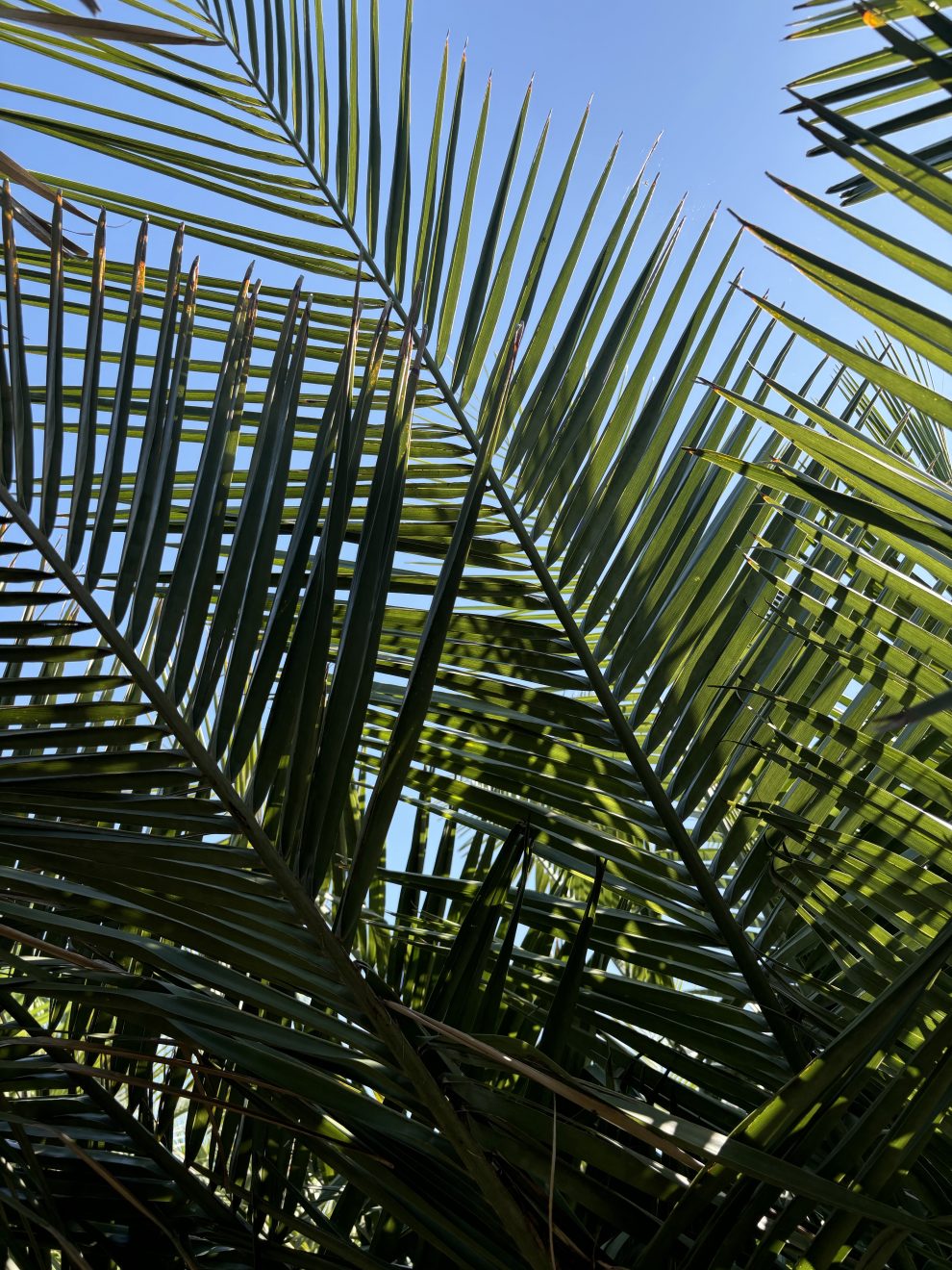
Native to central Chile, this palm is famous for its thick, sculptural trunk and elegant crown of arching, blue-green fronds. Unlike many exotic palms, Jubaea chilensis is exceptionally hardy, tolerating UK winters far better than most people expect. Once established, it can withstand prolonged cold, wind, and damp — making it one of the best cold-tolerant palms for British gardens.
One of the most fascinating facts about the Chilean Wine Palm is its extraordinarily slow growth. In the wild, it can take decades to form a substantial trunk. This is precisely why extra large specimens are so rare. Each one represents years — often generations — of careful cultivation. They simply cannot be fast-grown or mass-produced.
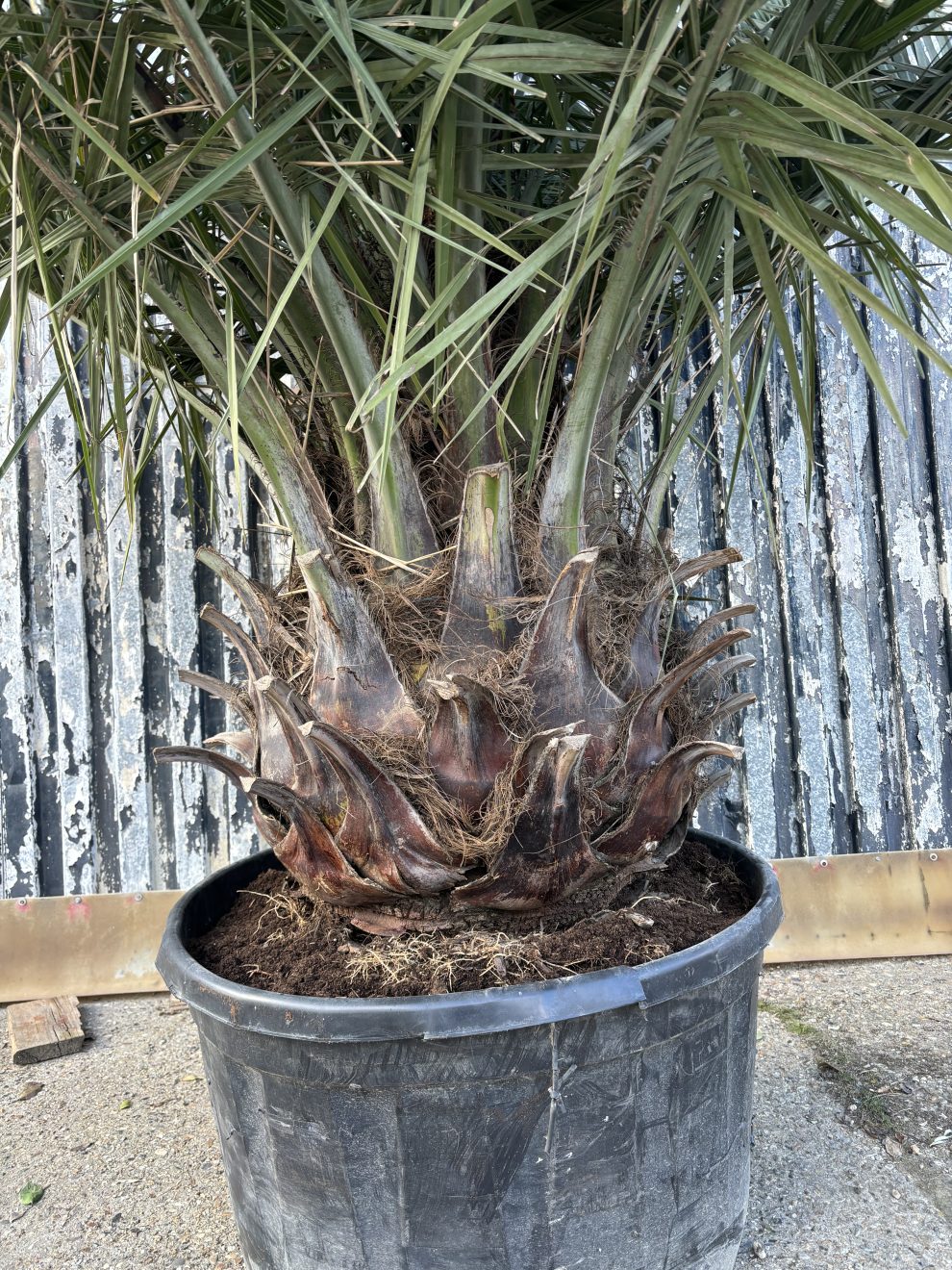
From a horticultural perspective, Jubaea chilensis is prized for its longevity and resilience. With the right planting conditions — excellent drainage, good light, and space to develop — these palms can thrive for well over a century. Few trees or palms offer this level of permanence, making them an outstanding choice for long-term landscape projects, estates, and statement gardens.
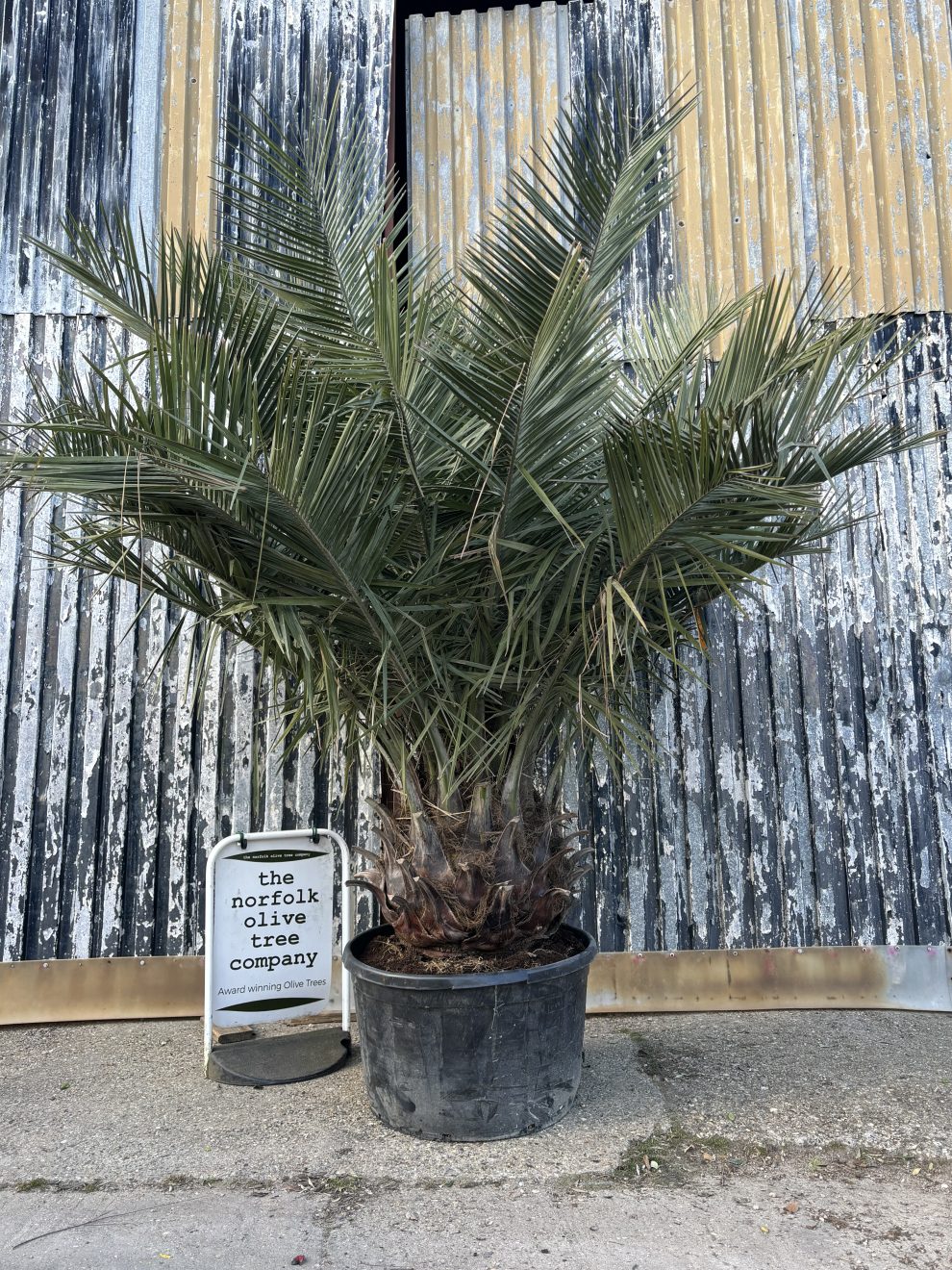
There is also a strong investment element to owning an extra-large Chilean Wine Palm. These specimens are increasingly difficult — and in some cases impossible — to source at scale. Export restrictions, limited availability, and the sheer time required to grow them mean prices continue to rise. Once planted, their value only increases as they mature further in situ.
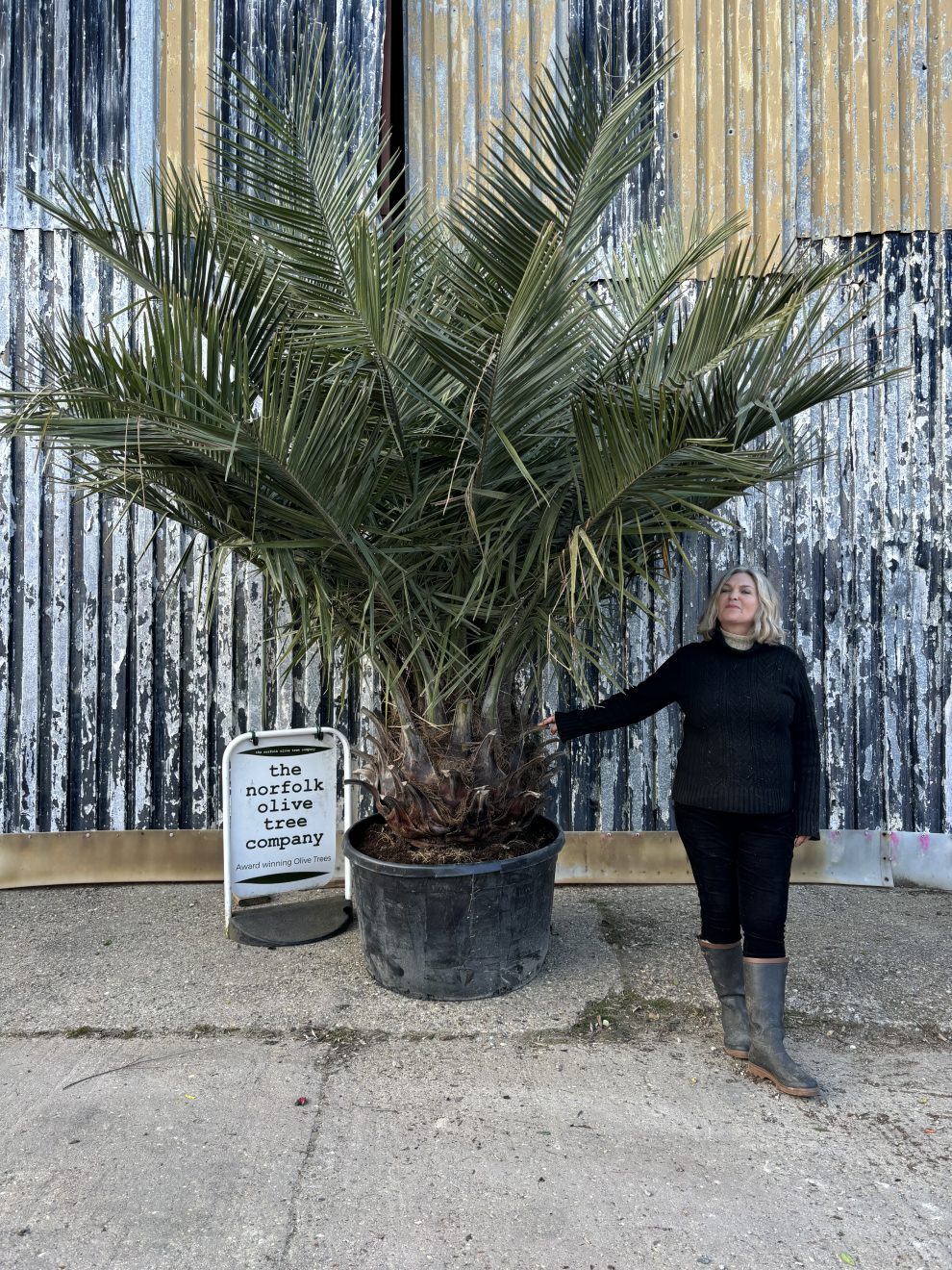
In short, an extra-large Jubaea chilensis is not an impulse purchase. It is a once-in-a-lifetime acquisition — a palm that brings drama, heritage, and rarity together in a way few plants ever can. For those seeking a truly exceptional, UK-hardy statement palm, nothing else compares. Discover more statement pieces in our palm trees for sale collection — perfect for creating instant impact in your garden.
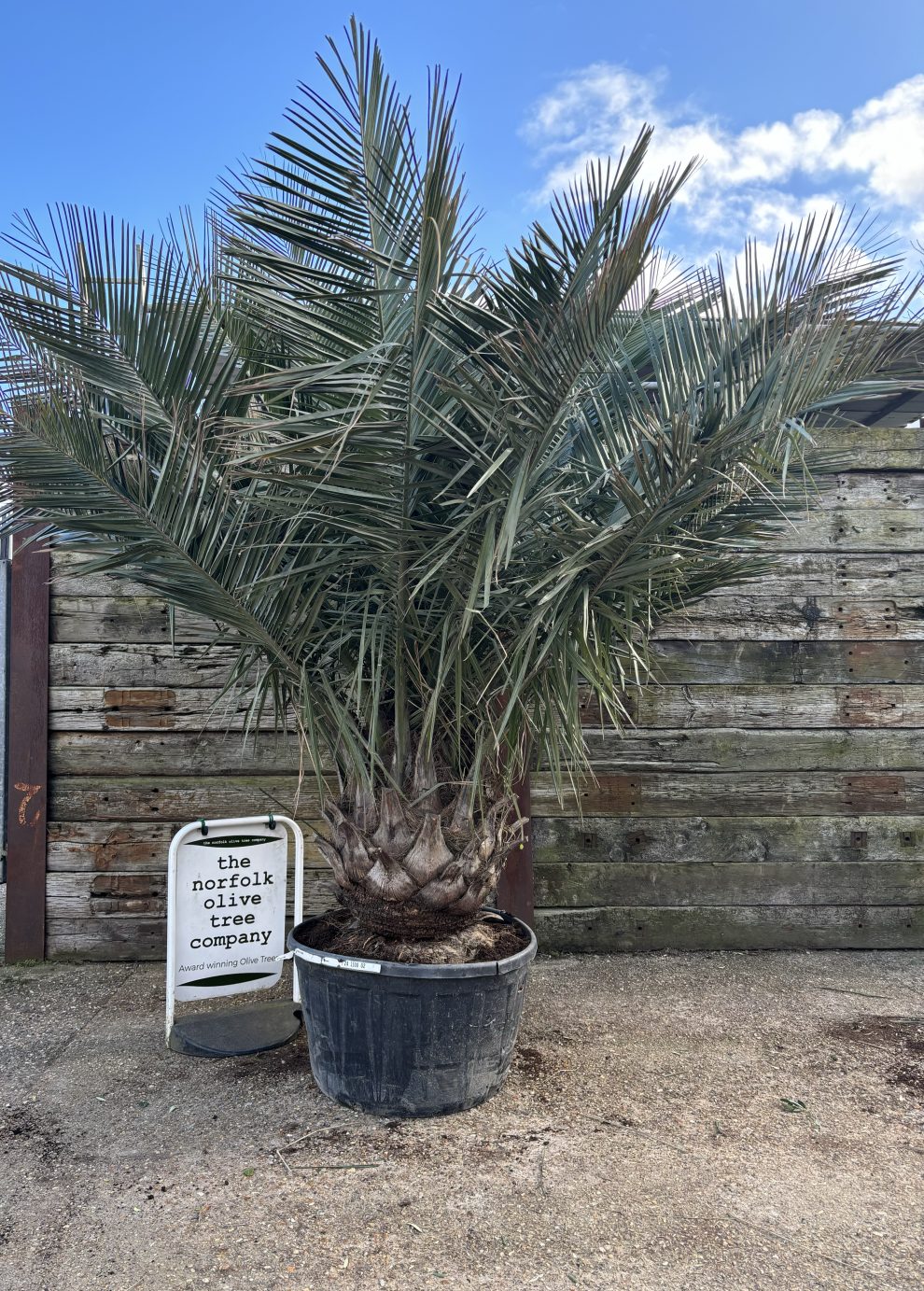
You have a rare opportunity to acquire a truly exceptional Jubaea chilensis, the magnificent Chilean Wine Palm, increasingly difficult to find in this impressive size. Standing 3.2 metres tall including its 500-litre pot, with a substantial 90–100cm trunk and a height of 2.5 metres above the pot, this remarkable specimen brings instant architectural presence and enduring grandeur to a distinguished garden. Its imposing trunk, elegant feathered crown and sculptural silhouette create a striking focal point, whether anchoring a sophisticated contemporary landscape or lending timeless character to a traditional country garden. For the discerning gardener seeking something genuinely extraordinary, this is a rare chance to acquire a mature statement palm that would take many decades to develop naturally.
Jubaea chilensis: Frequently Asked Questions
1. Can Jubaea chilensis grow outdoors in the UK?
Yes. Jubaea chilensis, commonly known as the Chilean Wine Palm, can grow outdoors in suitable UK gardens. It is one of the hardier feather palms, particularly when established in a sunny, sheltered position with well-drained soil. Conditions vary across Britain, so colder inland gardens and exposed sites require more careful consideration than milder locations.
2. How hardy is Jubaea chilensis, and what temperature can it tolerate?
The Chilean Wine Palm is notably cold-tolerant for a feather palm. The RHS rates it H4 under UK growing conditions and notes that it may tolerate temperatures around -14°C in favourable circumstances. However, this is not a guarantee that every specimen will survive that temperature. Prolonged frost, cold winds, waterlogged soil and the age of the palm all influence its ability to withstand winter weather.
3. Is Jubaea chilensis suitable for gardens in Norfolk and the East of England?
It can be suitable for carefully chosen gardens in Norfolk and the wider East of England, particularly where there is good sunshine, shelter from cold winds and excellent drainage. Local conditions matter more than the county name alone. An exposed, waterlogged garden presents a greater challenge than a sunny, sheltered garden with free-draining soil.
4. Does Jubaea chilensis need winter protection?
An established palm growing in a suitable position may need little intervention during an ordinary UK winter. However, young or recently planted specimens are more vulnerable, and additional protection may be sensible during severe or prolonged cold spells. Avoid trapping moisture around the crown, and pay particular attention to drainage, as cold, saturated roots can be damaging.
5. What is the best position for a Chilean Wine Palm?
Choose a sunny, sheltered position where the palm has plenty of room to develop. Jubaea chilensis makes an impressive focal point in a large garden, formal landscape or architectural planting scheme. Avoid cold, windswept locations and places where rainwater collects around the roots.
6. What type of soil does Jubaea chilensis prefer?
Jubaea chilensis grows best in fertile soil that retains some moisture but drains freely. It can grow in different soil types, including loam and sand, but prolonged waterlogging should be avoided. If your garden has heavy clay, assess drainage carefully and consider creating a raised planting area where necessary.
7. How fast does Jubaea chilensis grow?
Jubaea chilensis is a very slow-growing palm, particularly when young. Developing its characteristic thick trunk takes many years, and a mature specimen represents a considerable investment of time and cultivation. This slow growth is one reason why large Chilean Wine Palms are so difficult to source and so desirable for substantial gardens.
8. How tall does Jubaea chilensis eventually grow?
In favourable conditions, Jubaea chilensis can eventually reach more than 20 metres, with exceptional specimens growing taller. Its crown also becomes broad, so allow generous space around the palm. It is best suited to gardens and landscapes where its eventual scale can be accommodated without overwhelming buildings or neighbouring planting.
9. Can Jubaea chilensis be grown in a pot?
Young Chilean Wine Palms can be grown in containers, provided the pot is suitably sized and the compost drains well. However, this is a very large, slow-growing palm that is best appreciated as a permanent garden specimen in the long term. Container-grown palms also need closer attention to watering and root protection during winter.
10. When is the best time to plant Jubaea chilensis in the UK?
Planting during the growing season gives a palm time to establish before winter. Spring is a good choice, particularly in colder areas, while early autumn may also be suitable in mild conditions if there is sufficient time for establishment. Avoid planting into cold, saturated soil or immediately before a period of severe frost.
11. Is Jubaea chilensis evergreen?
Yes. The Chilean Wine Palm is an evergreen palm with a crown of long, feather-shaped fronds. Its substantial grey trunk and arching foliage create year-round structure, making it particularly valuable in gardens designed around strong architectural plants.
12. Why are extra-large Jubaea chilensis palms so rare?
Jubaea chilensis grows exceptionally slowly, taking decades to develop the substantial trunk that makes mature specimens so impressive. Extra-large palms are therefore difficult to source compared with faster-growing garden plants. For landscape designers and gardeners seeking immediate architectural impact, an established specimen offers a presence that a young palm simply cannot provide.
13. What makes Jubaea chilensis different from other hardy palms?
Unlike fan palms such as Trachycarpus fortunei, Jubaea chilensis has long, feather-shaped fronds and a remarkably thick, sculptural trunk. It combines an exotic appearance with useful cold tolerance, but its very slow growth and eventual size make it a distinctive choice for larger gardens and considered landscape designs.
Discover our extra-large Chilean Wine Palm
For gardeners and landscape designers looking for a truly exceptional specimen, our extra-large Jubaea chilensis offers an opportunity to introduce enduring architectural presence into the garden. Explore our available palm and specimen tree collection at The Norfolk Olive Tree Company, or contact us to discuss the suitability of this remarkable palm for your garden.