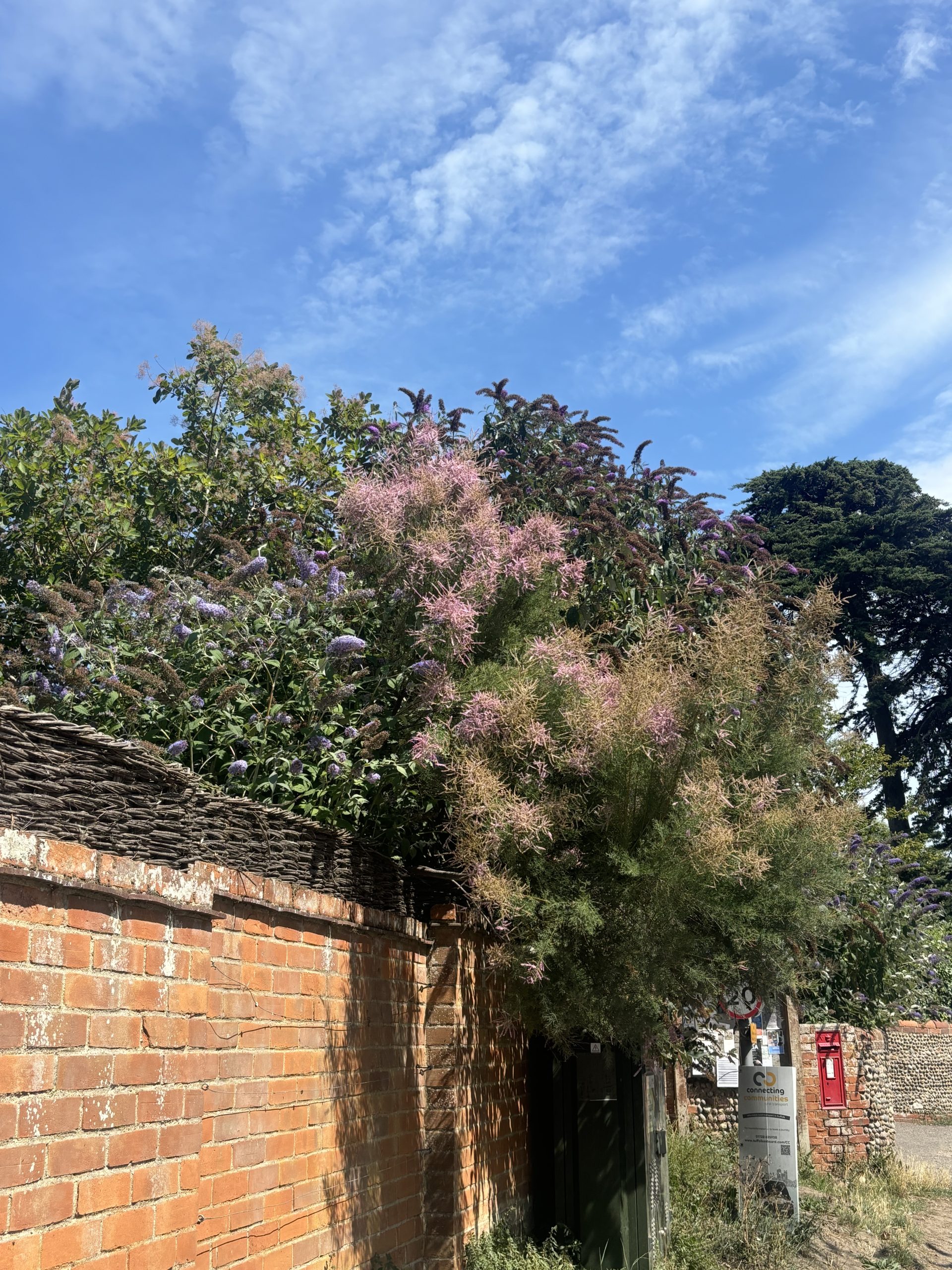
What are the best trees for UK gardens? A well-chosen tree can transform your garden, adding height, structure, and a stunning focal point. Whether you’re drawn to Mediterranean elegance, soft cascading textures, or crisp architectural forms, the right tree will shape your outdoor space for years to come.
Here, we explore five exceptional choices—Silk Tree, Olive Tree, Tamarisk ‘Pink Cascade’, Magnolia Grandiflora, and Ficus Carica, the humble fig tree—each offering colour and seasonal beauty to enhance your outdoor space. If you’re searching for the best trees for UK gardens, these selections provide style, impact, and a touch of timeless charm.
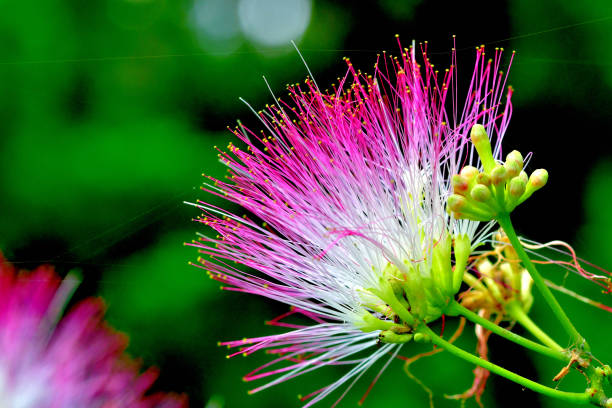
Silk Tree (Albizia julibrissin) – Exotic Elegance with a Soft Touch
For those who love dreamy, ethereal foliage, the Silk Tree is a must-have. Its feathery, mimosa-like leaves create a delicate, layered effect, while its fluffy pink flowers in late summer add a truly exotic charm. A deciduous tree the Silk Tree comes into its own in the spring summer season.
• Impact: Light, airy canopy perfect for dappled shade in seating areas.
• Companion plants: Pair with lavender, salvias, and ornamental grasses for a soft, Mediterranean-inspired look.
• Care: Thrives in well-drained soil and a sunny, sheltered spot.
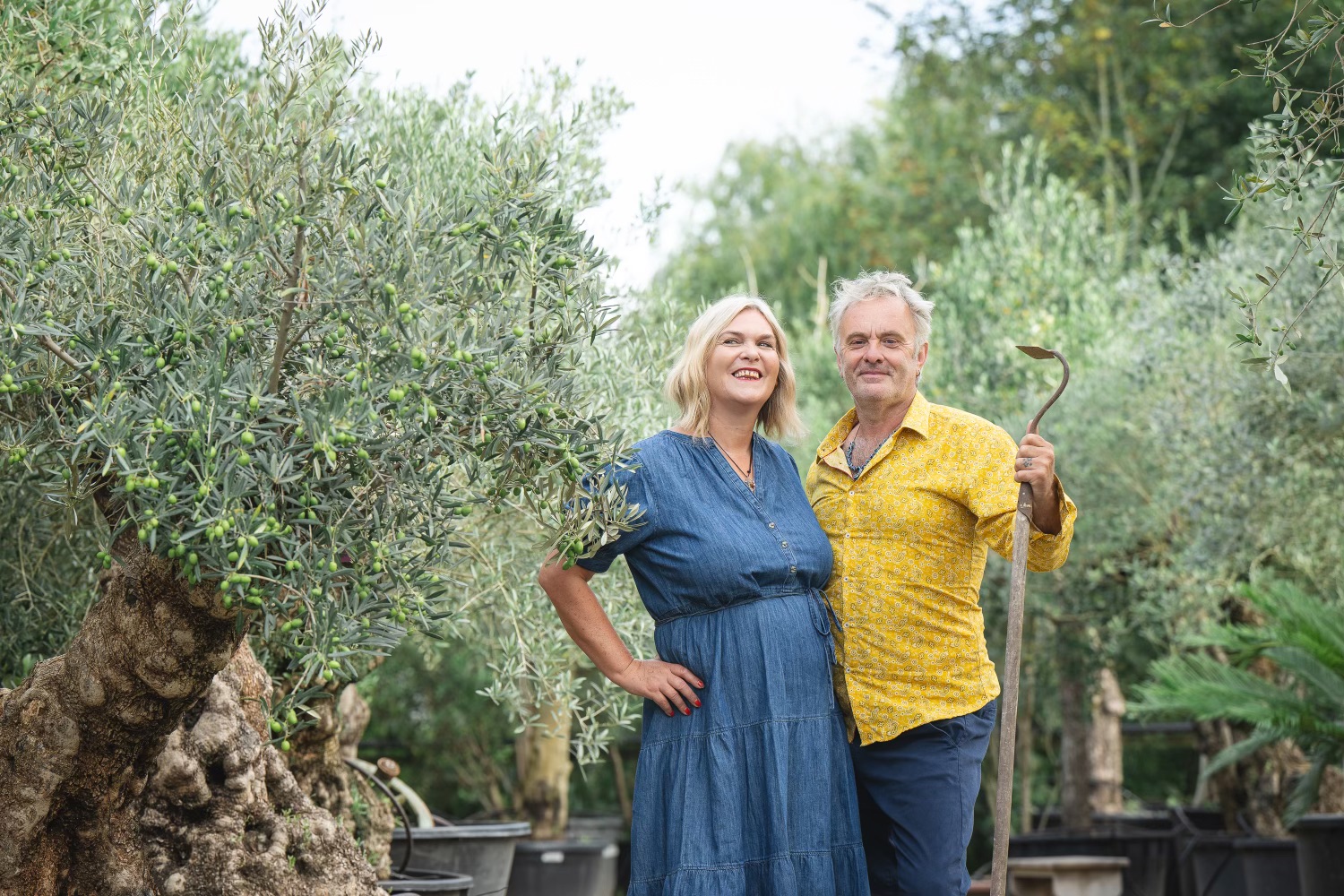
Olive Tree (Olea europaea) – Mediterranean Style, Year-Round Appeal
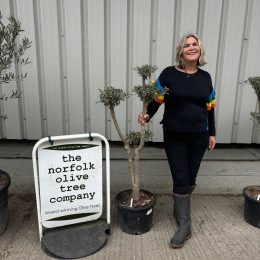
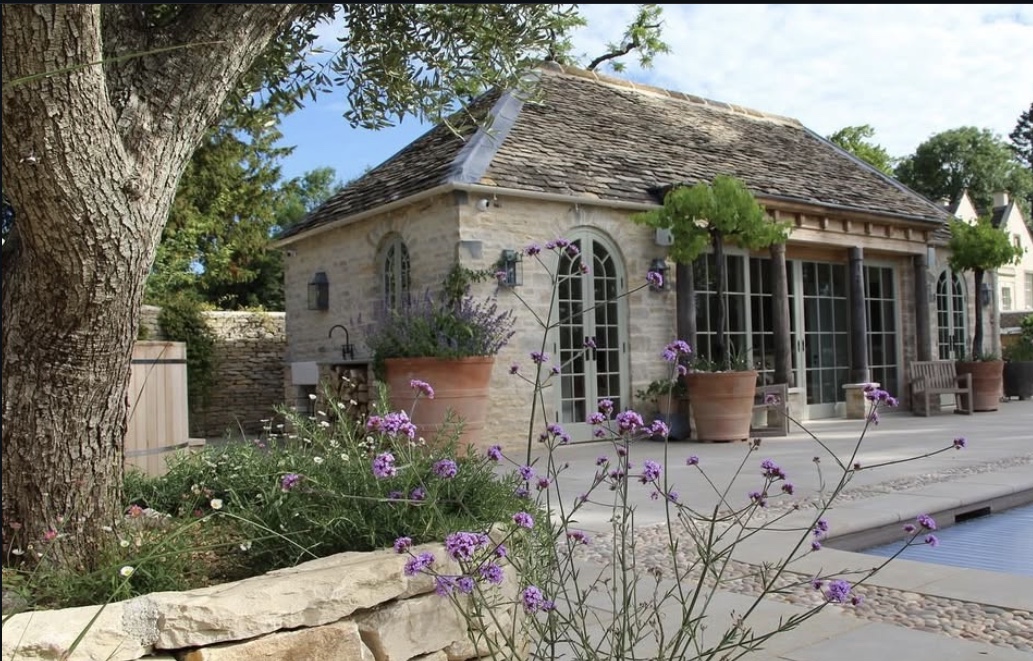
Nothing says Mediterranean garden quite like an olive tree. With its silvery-green foliage, gnarled trunk, and drought tolerance, it’s the perfect choice for both contemporary and classic gardens.
• Impact: Timeless, sculptural beauty that works well in pots or as a statement tree.
• Companion plants: Complement with rosemary, agapanthus, and bay trees for a cohesive Mediterranean scheme.
• Care: Needs free-draining soil, full sun, and occasional pruning for shape.
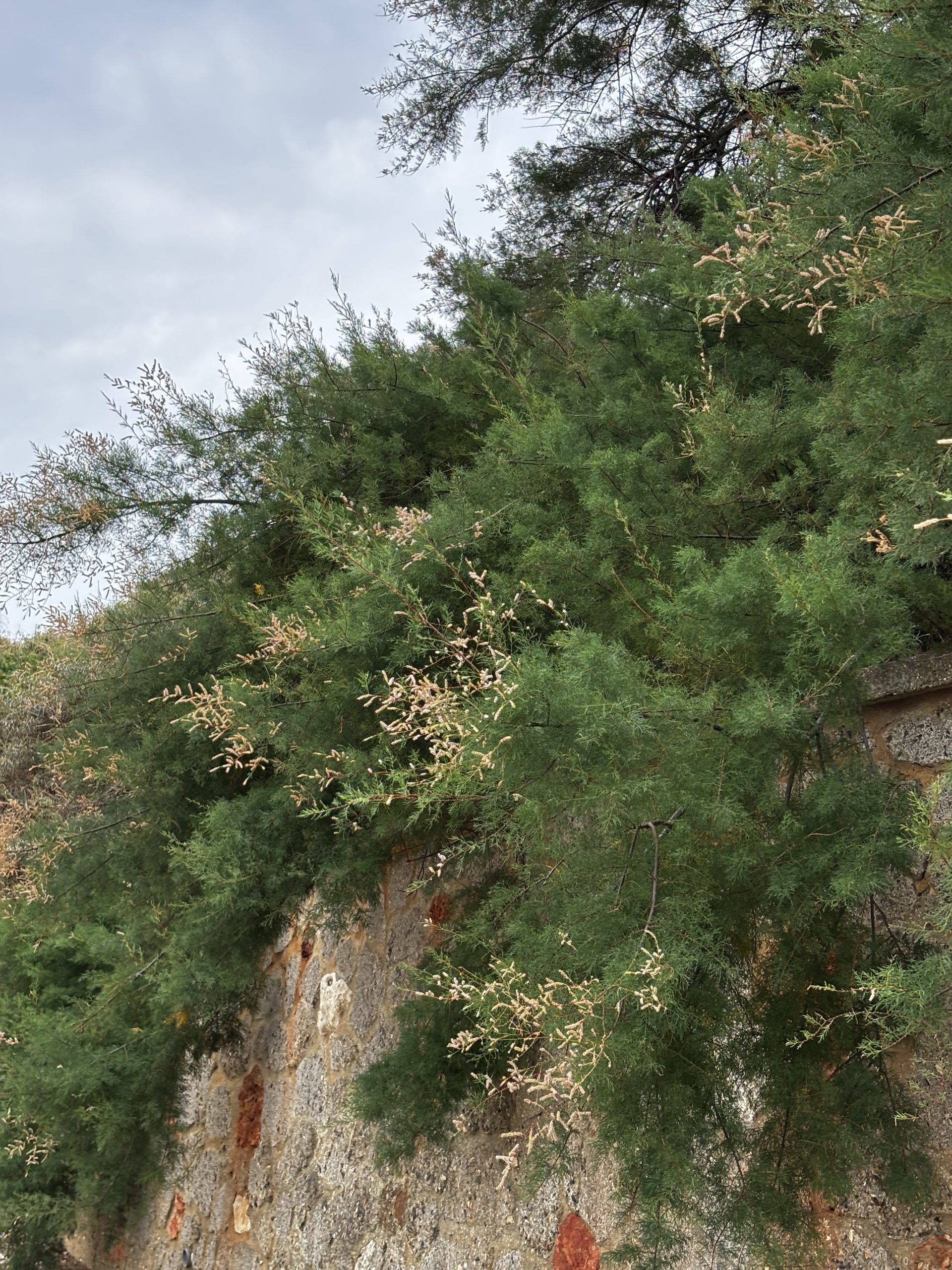
Looking for something more romantic and wild? Tamarisk ‘Pink Cascade’ offers cascading pink flowers on arching branches, bringing movement and softness to gardens. It thrives in coastal and exposed areas, making it ideal for windswept landscapes. A deciduous tree the Tamarisk ‘pink cascade’ comes into its own in the spring summer season.
Tamarisk ‘Pink Cascade’ (Tamarix ramosissima) – A Soft and Flowing Showstopper
• Impact: Light, wispy foliage that softens garden edges beautifully.
• Companion plants: Works well alongside sea hollies, sedums, and hardy geraniums.
• Care: Best planted in full sun with well-drained soil; tolerates salty air.
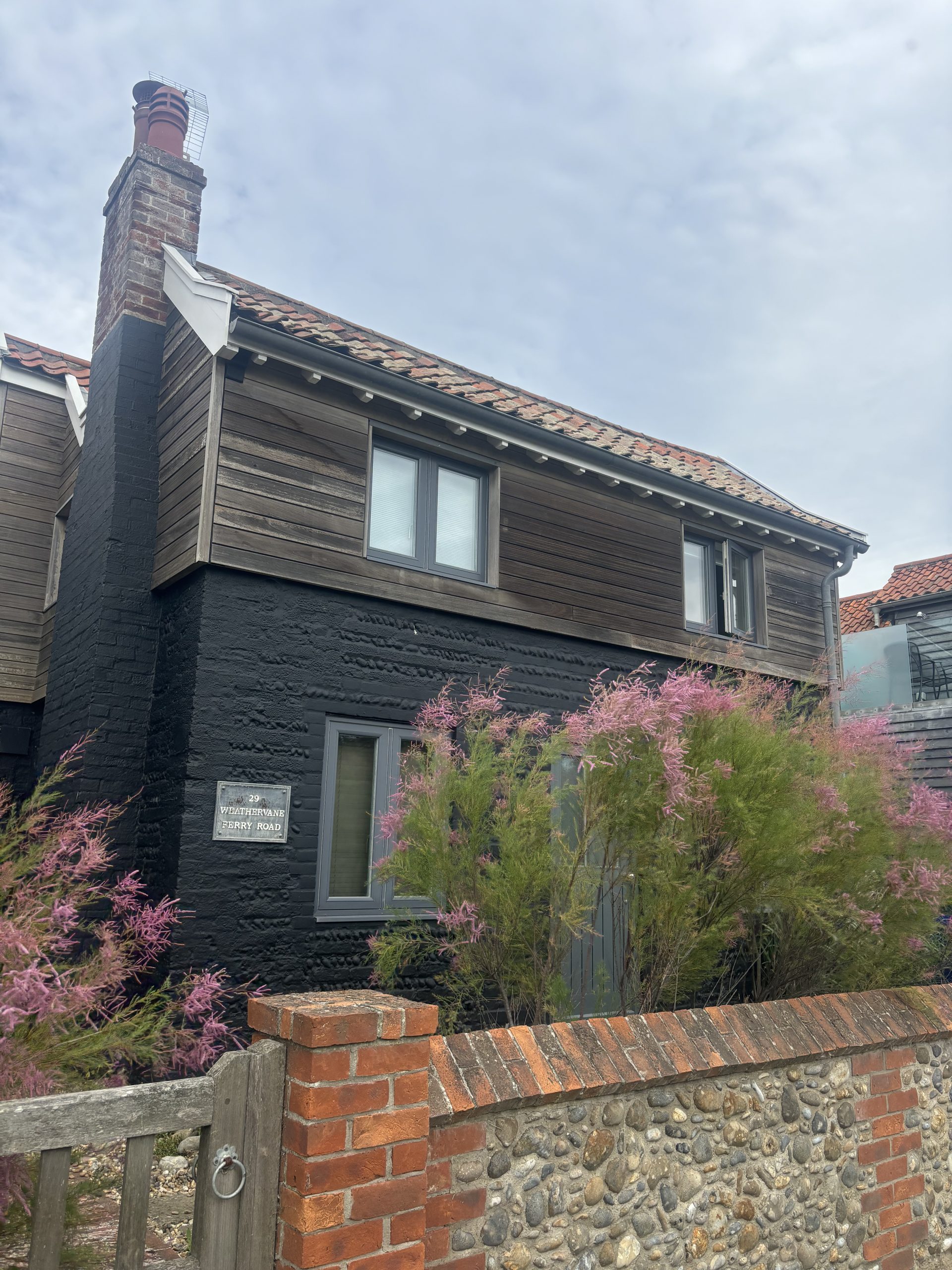
Magnolia Grandiflora – A Tree of Incredible Beauty and Fragrance
For pure elegance and sensory delight, Magnolia Grandiflora is a spectacular choice. This evergreen magnolia boasts huge, creamy-white flowers with a sweet, citrus-like fragrance. The flowers, which appear in late summer, contrast beautifully against its glossy green leaves, which take on bronze hues in winter.
• Impact: A statement tree with dramatic blooms and an extraordinary scent.
• Companion plants: Underplant with ferns, hostas, and hydrangeas to create a layered, lush display.
• Care: Prefers moist, well-drained soil and thrives in sun or partial shade.
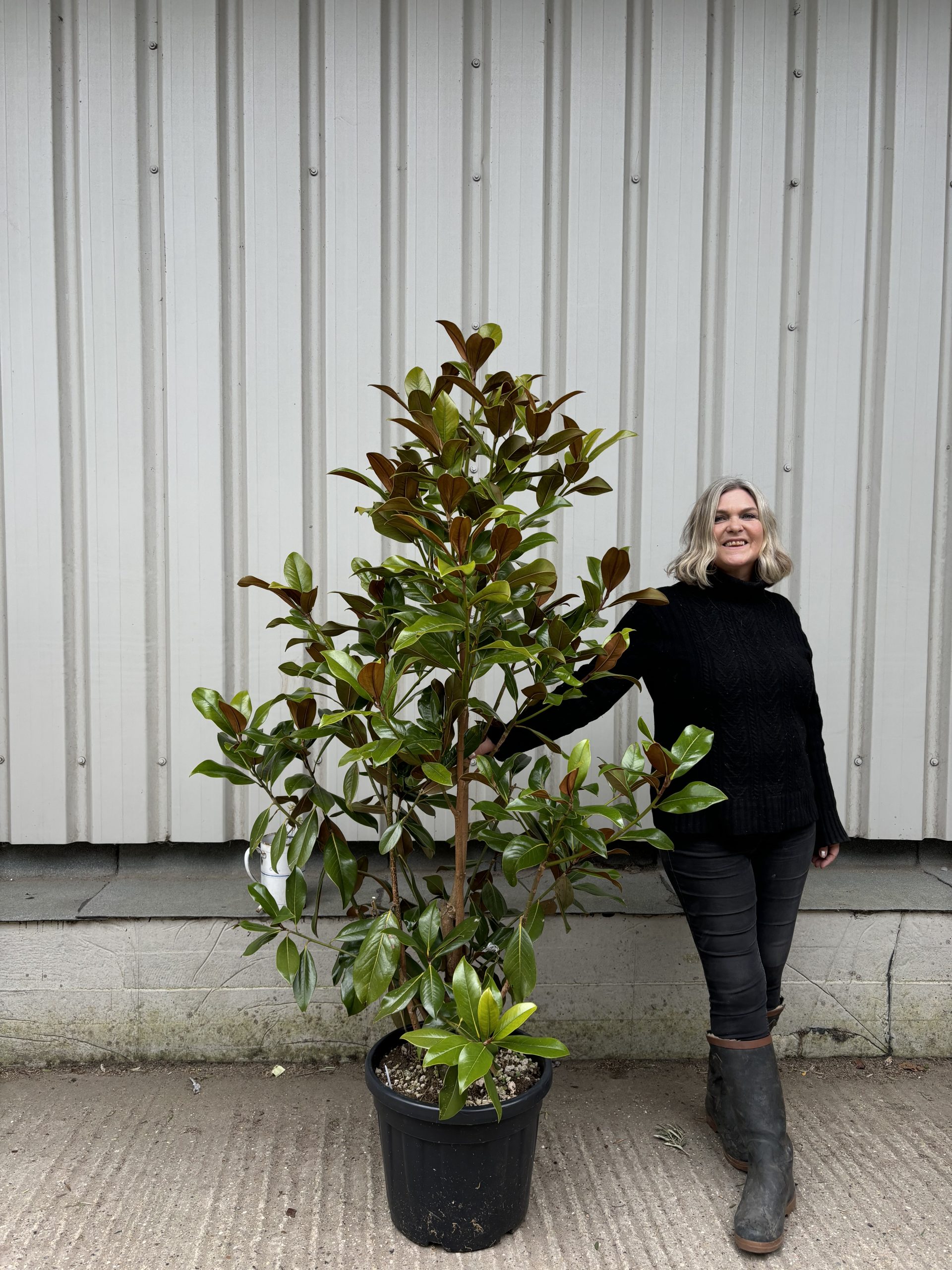
Fig trees: Mediterranean character, British practicality
The fig tree is another plant we think deserves a place in the modern UK garden. Ficus carica brings that unmistakable Mediterranean character – beautifully architectural, large hand-shaped leaves and, with a little patience and the right position, delicious home-grown figs. But it is far from being a tender Mediterranean import. Figs are surprisingly hardy in the UK and can be grown successfully across much of the country. They are happiest in a warm, sunny, sheltered position with good drainage, and a south- or west-facing wall is ideal, where the stored heat helps the fruit to ripen. (RHS)
There is also something particularly appealing about a fig for today’s garden. It is ornamental and productive, giving you the bold foliage and sculptural form we love in Mediterranean planting, followed by fruit later in the summer. If you want to maximise fruiting, restricting the roots – either in a large container or a purpose-made planting area – encourages the tree to put its energy into fruit rather than simply producing vigorous leafy growth. In the UK, most outdoor figs produce one worthwhile crop, from the small fruitlets that have overwintered at the tips of the branches. (RHS)
The best trees for UK gardens in 2026: choosing for a changing climate
There is another reason we are thinking about the best trees for UK gardens a little differently now.
After the summer we have just experienced, the conversation with our customers has changed.
Summer 2026 was the hottest summer ever recorded in the UK, and here in East Anglia we certainly felt it. Long spells of intense sunshine, very dry conditions and heat that would once have felt distinctly Mediterranean have made many of us look at our gardens differently.
It has left us asking a slightly different question:
Which trees and plants will not only look beautiful in our gardens, but are also well suited to the conditions we are increasingly likely to experience?
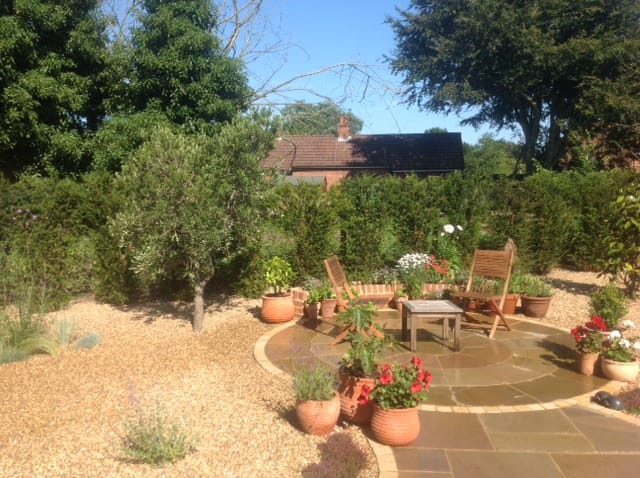
That doesn’t mean turning every British garden into a Mediterranean garden. And it certainly doesn’t mean choosing plants simply because they tolerate drought.
For us, it is much more about choosing the right plant for the right place.
A more Mediterranean palette for UK gardens
One of the things we have noticed increasingly over the past few years is how naturally Mediterranean-style planting works in British gardens.
Olive trees, hardy palms, bay, rosemary, lavender, grasses and architectural plants can create a garden with structure, texture and year-round interest without relying entirely on thirsty lawns and plants that struggle in hot, dry conditions.
The RHS itself now recommends considering drought-tolerant and climate-resilient planting, particularly for gardens that are prone to hot, dry conditions. The principle is simple: plants that are naturally suited to their growing conditions generally need less intervention once established. (RHS)
That is something we have always found particularly appealing about Mediterranean planting.
It isn’t just about the look.
It is about creating a garden that works with its environment.
An olive tree with silver foliage, a sculptural palm, gravel beneath your feet, rosemary spilling over a wall and a few grasses moving in the breeze can create an incredibly beautiful garden — but it can also be a much more considered response to a warmer, drier summer.
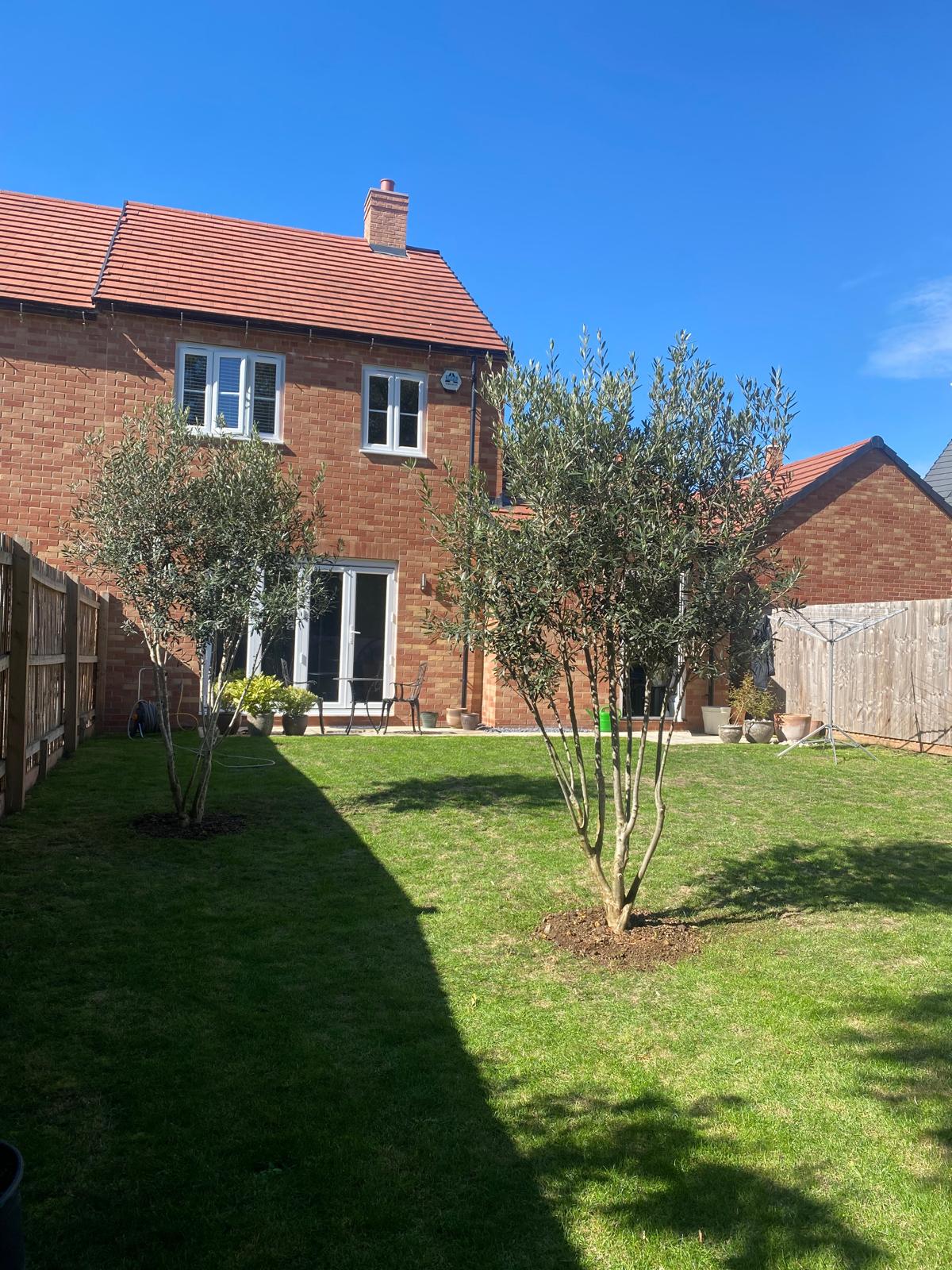
Of course, even drought-tolerant trees need watering while they establish. Good drainage, soil preparation, aspect and choosing the right plant for the particular garden remain absolutely fundamental.
What are we bringing back from Italy?
This autumn we have been back in Italy visiting our growers, and as always, we came home thinking not just about what we like, but about what will work for our customers here in the UK.
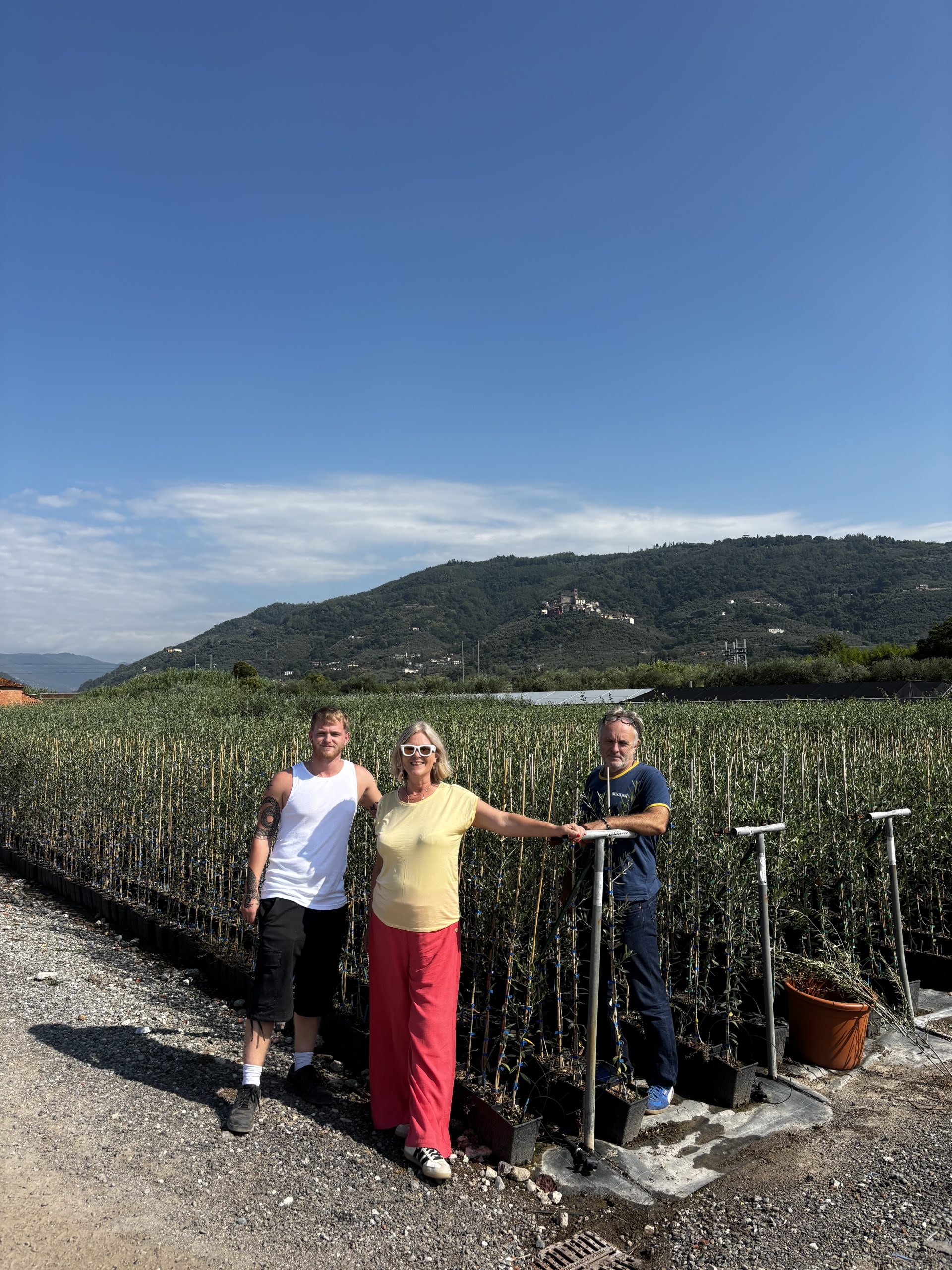
Our new Grow Your Own Olive arrivals are particularly exciting.
Joining our existing Frantoio, Arbequina and Leccino are three fascinating Italian cultivars:
Moraiolo, a traditional Tuscan olive with a naturally upright, relatively compact habit and an excellent reputation for olive oil.
Bianchera, associated with Istria and the northern Adriatic, which has an extraordinary history of coping with cold and wind following the severe 1956 winter frost in the region.
And Coratina, from Puglia, a vigorous, handsome olive valued for its fruit, oil production and naturally high phenolic content.
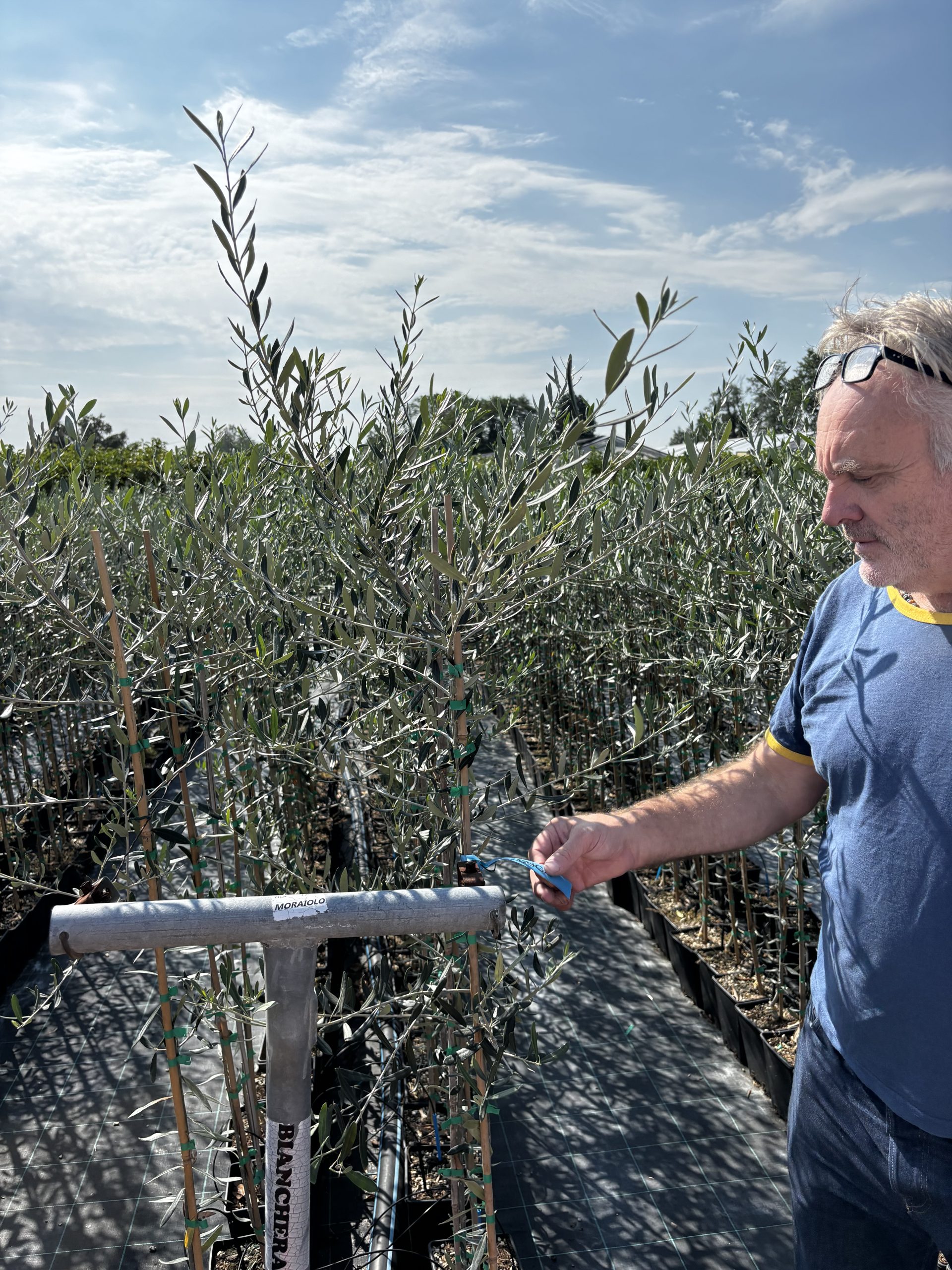
These trees will be arriving with us in October 2026.
They are interesting not simply because they are different varieties of olive, but because they give UK gardeners the opportunity to explore olives as plants in their own right — their growth habits, foliage, eventual size and individual character — as well as the possibility of growing their own fruit.
We spent time with our grower Fabrizio in Tuscany this year, and that direct relationship with the people who grow our trees is incredibly important to us. Seeing the trees growing, discussing their characteristics and understanding where each cultivar performs best gives us specialist insight that simply isn’t found on a nursery label. More of that here 👉The Norfolk Olive Tree Company)

Looking ahead: beautiful gardens that work with the weather
We don’t think the answer to a changing climate is to abandon traditional British plants.
Rather, we think there is an opportunity to broaden the palette.
The UK garden has always borrowed plants from around the world. What is changing is the range of plants that can now be grown successfully in many parts of the country — particularly in warmer, sheltered gardens.
For gardeners in Norfolk and the East of England, where we experience relatively dry conditions and plenty of sunshine, Mediterranean and architectural planting can be particularly rewarding.
And this is where trees become so important.
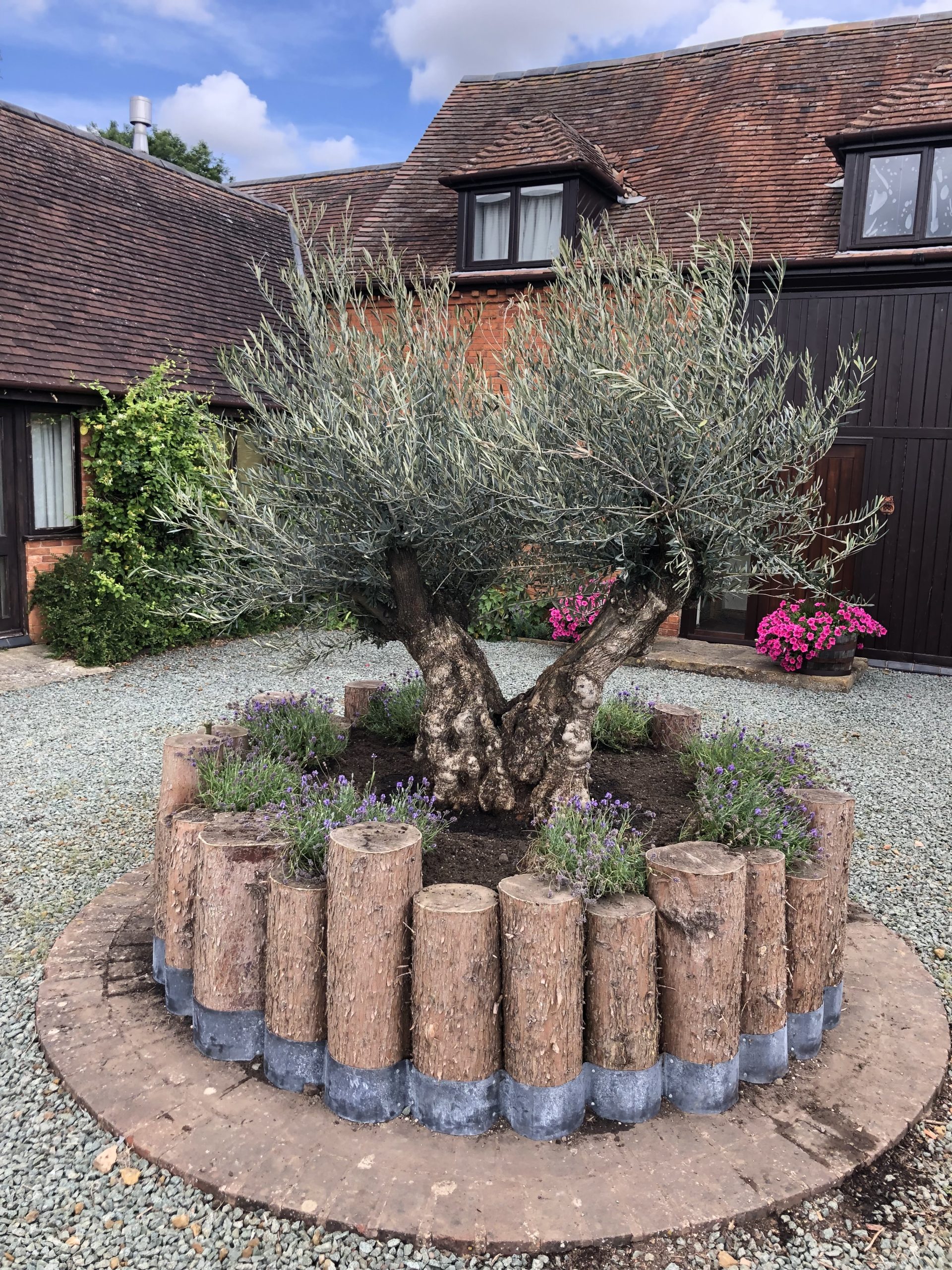
A well-chosen tree is a long-term investment. It provides structure, shade, shelter and character for many years, so choosing one simply because it looks good today isn’t always enough. We increasingly encourage customers to think about aspect, soil, drainage, exposure and future growing conditions before deciding which tree is right for their garden. This is very much in keeping with the RHS’s advice on selecting trees for climate resilience. (RHS)
So, when customers ask us what the best tree for a UK garden is, our answer is still the same:
It depends on your garden.
But increasingly, we would add one more question:
What kind of garden do you want to be growing ten or twenty years from now?
For us, that makes the olive tree, hardy palms and other Mediterranean-style trees and architectural plants particularly exciting.
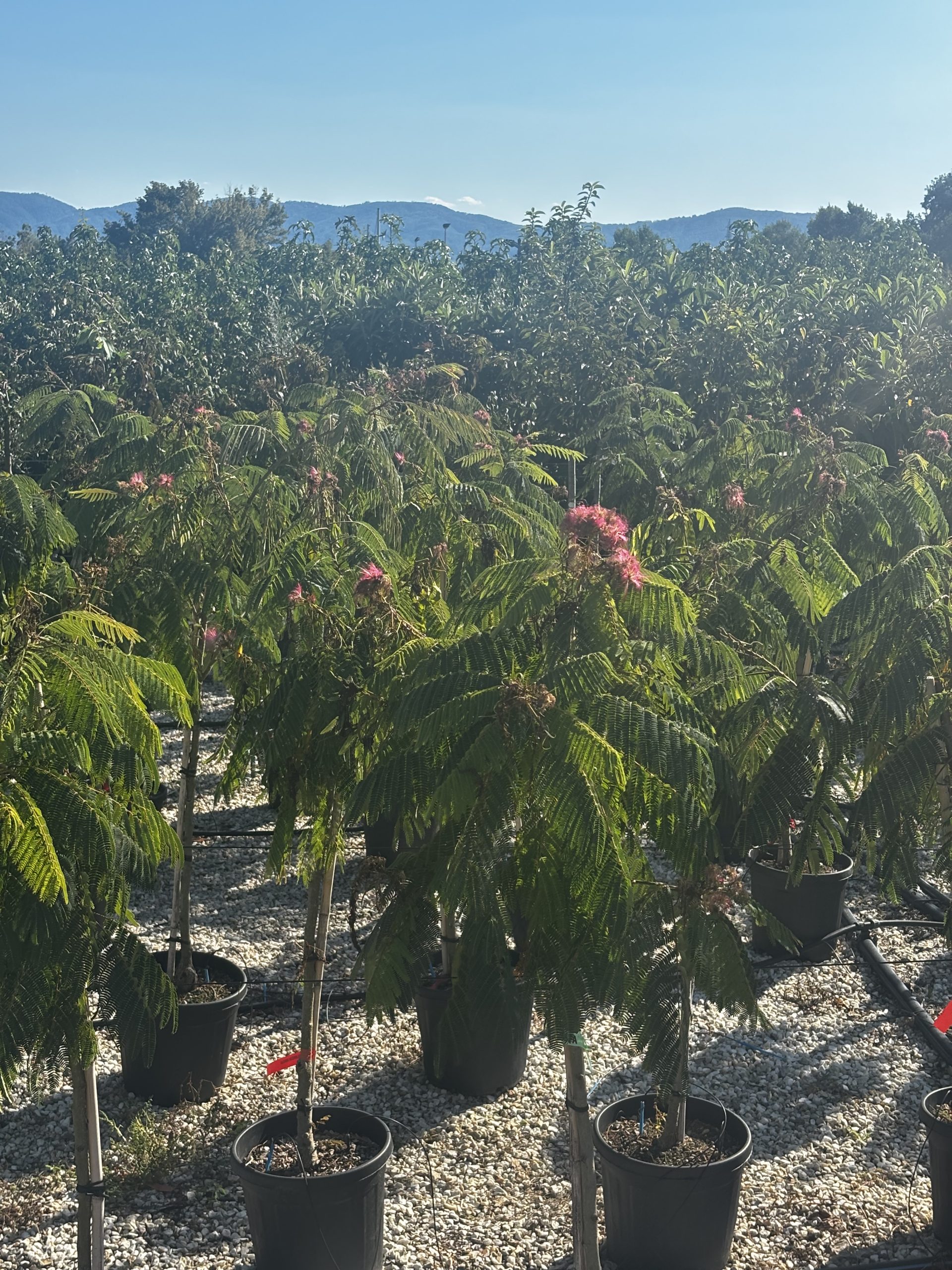
( arriving mid October 2026)
They bring the sunshine home — but they can also be part of a more thoughtful, resilient planting palette for the UK garden of the future.
Frequently Asked Questions
What are the best trees for a changing UK climate?
There is no single “best” tree for every UK garden. The most suitable choices depend on your soil, drainage, aspect, exposure and how much space you have. Increasingly, however, gardeners are looking towards trees and plants that are naturally comfortable with hot, sunny and relatively dry conditions. Olives and certain hardy palms are excellent examples, particularly in warm, sheltered gardens.
Are olive trees suitable for UK gardens?
Yes. Olive trees have been grown successfully in the UK for many years and can make superb garden trees. They are particularly well suited to sunny, well-drained positions and established olives can tolerate surprisingly cold conditions. Good drainage and choosing the right position are more important than trying to recreate the conditions of the Mediterranean.
Can you create a Mediterranean garden in the UK?
Absolutely. A Mediterranean-style garden can work beautifully in the UK, particularly in warmer, sunnier areas. Olive trees, hardy palms, rosemary, lavender, grasses and other architectural plants can be combined with gravel, stone and informal planting to create a garden with a distinctly Mediterranean feel while still being designed for British conditions.
What are the best drought-tolerant trees for UK gardens?
Olive trees are one of the most obvious choices for a sunny UK garden, particularly once established. Other choices depend on the garden and local conditions, but the wider Mediterranean and architectural planting palette offers many possibilities. It is important to remember that even drought-tolerant trees need regular watering while they establish.
Are olive trees suitable for Norfolk and East Anglia?
They can be exceptionally well suited to many gardens in Norfolk and East Anglia. The region’s relatively dry climate and sunny conditions can be advantageous, provided an olive is planted in a suitable position with good drainage. Sheltered gardens and positions with plenty of sunshine are particularly favourable.
Which olive varieties can I grow in the UK?
There is an increasingly interesting range of olive cultivars available to UK gardeners. Alongside established varieties such as Arbequina, Frantoio and Leccino, we are introducing Moraiolo, Bianchera and Coratina to our Grow Your Own Olive collection following our visit to Tuscany. Different cultivars have different growth habits, fruiting characteristics and preferences, so variety selection can be part of the fun of growing your own olive tree.