Back from holiday? Bring a little of it home
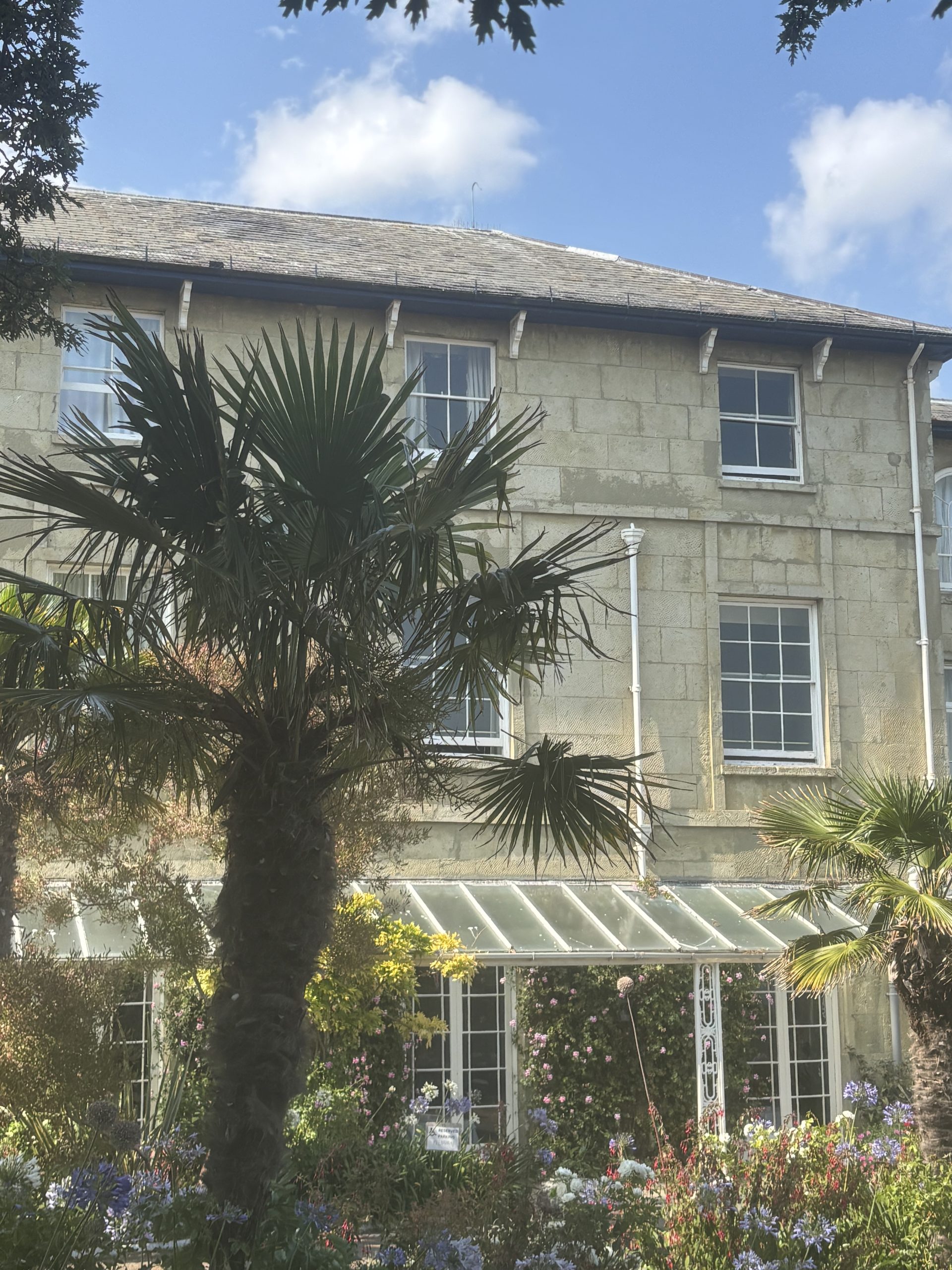
There is something about returning from a summer holiday that makes you look at your own garden differently. Perhaps it was the palms lining the promenade, their fan-shaped leaves moving in the sea breeze. Perhaps it was the hotel garden, where a simple poolside planting suddenly looked impossibly exotic because of a few mature palms. Or perhaps you noticed how often palms are used to give even quite ordinary spaces a sense of place, structure and permanence.

Then you come home to Britain and wonder: could I actually grow a palm like that here? The answer is yes — and one species in particular has earned its reputation as the great survivor of the British palm world.
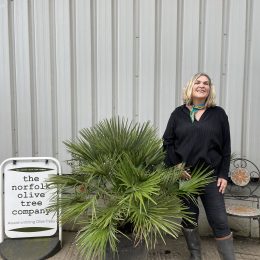
Trachycarpus fortunei, commonly known as the Chusan palm or Chinese windmill palm, is one of the most reliable hardy palms for UK gardens.
Why Trachycarpus fortunei is such a good UK palm
From a horticultural perspective, Trachycarpus fortunei is rather special. It looks exotic without requiring an exotic climate. The large, fan-shaped evergreen leaves give you the unmistakable architecture of a palm, while its ability to cope with British conditions makes it considerably less demanding than its appearance might suggest.
The RHS gives Trachycarpus fortunei an H5 hardiness rating and notes that established plants can withstand temperatures around -15°C or below in sheltered conditions. It is also tolerant of heavier soils and some shade.
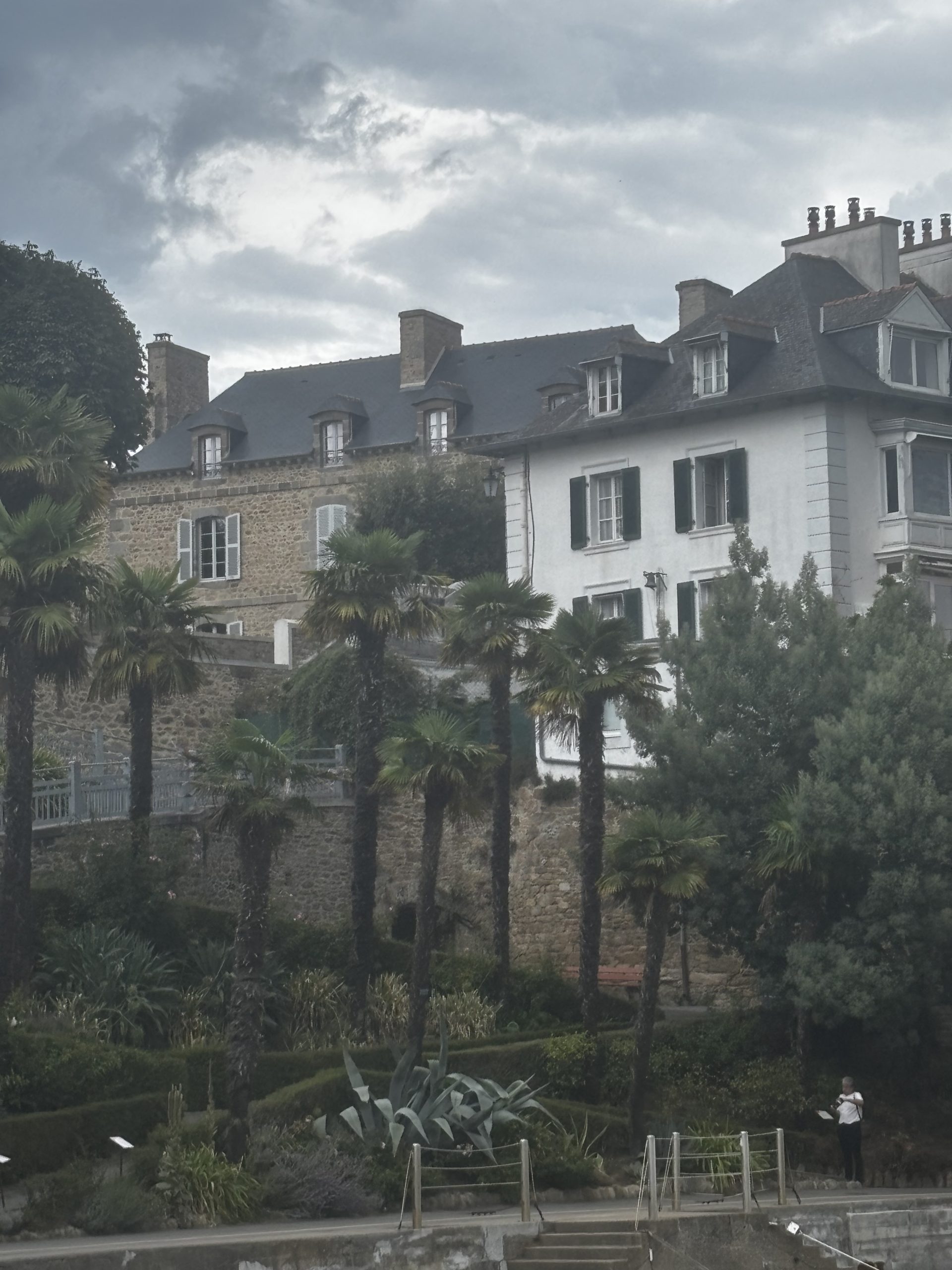
That combination is why we consider it something of a bulletproof palm for the right British garden. It is not completely indestructible, of course. No plant is. Young palms need time to establish, and the foliage can suffer in particularly exposed, cold and windy positions. Good drainage and sensible positioning still matter.
But compared with many of the palms that tempt us after a Mediterranean holiday, Trachycarpus fortunei is exceptionally forgiving.
A palm that gives instant architectural structure
There is another reason we love Trachycarpus fortunei: it does far more than simply provide an exotic touch. A mature palm becomes a piece of garden architecture.
The trunk rises cleanly above planting, topped by a generous crown of fan-shaped leaves. It creates height without the dense bulk of a conventional evergreen tree and can be particularly effective where a garden needs a strong vertical accent.
This makes Trachycarpus fortunei particularly useful in contemporary gardens, courtyards, coastal gardens and smaller urban spaces.
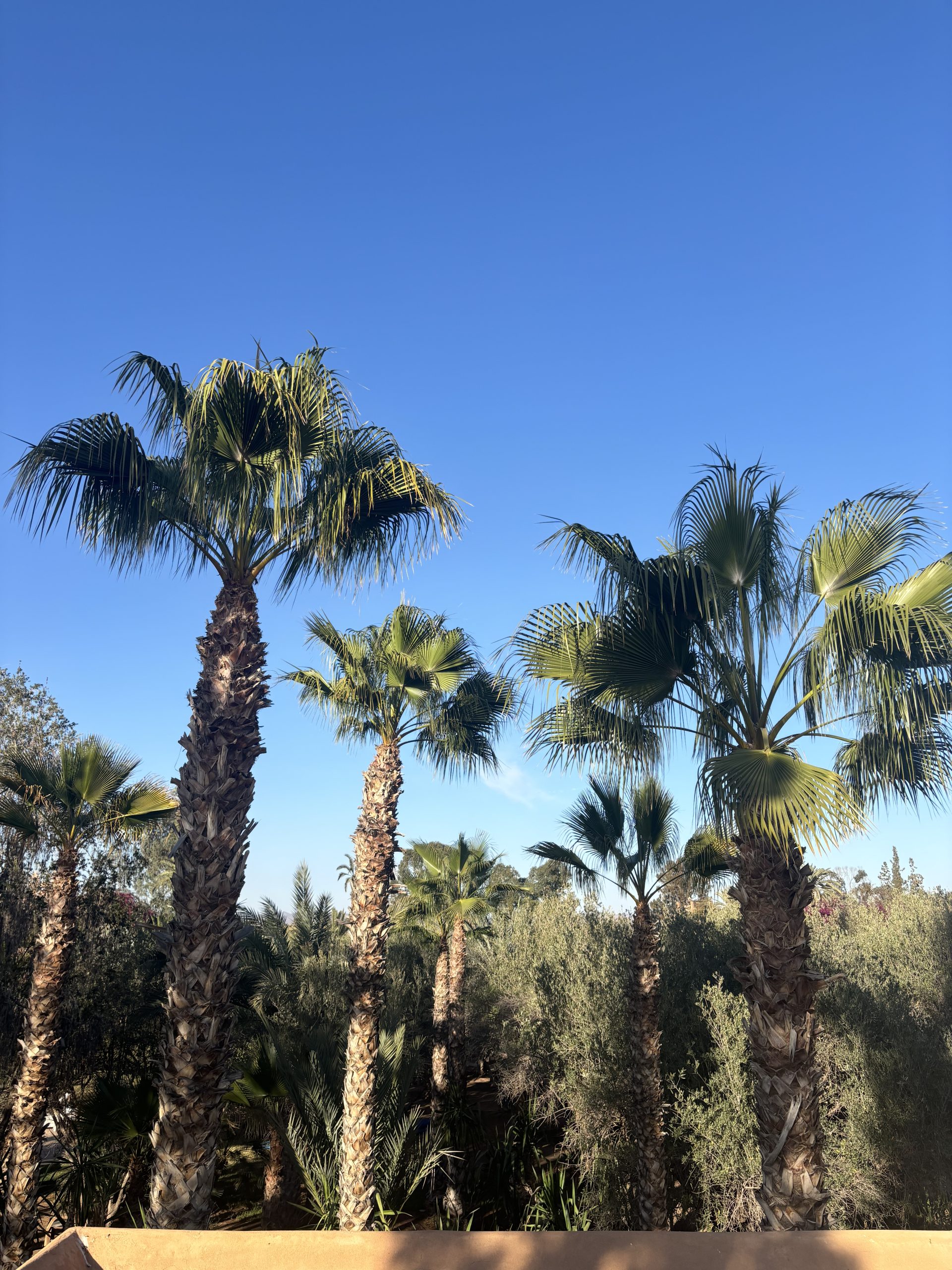
One well-grown specimen can completely change the character of a garden.
And unlike a seasonal plant, its presence doesn’t disappear when summer ends. It remains evergreen throughout the year.
Hardy palm or holiday souvenir?
The beauty of Trachycarpus fortunei is that it bridges the gap between the two. You get the emotional association of a palm-lined holiday destination, but with a plant that is genuinely capable of living outdoors in the UK.
That makes it a particularly good choice for gardeners who want to create a holiday garden at home without turning their garden into a high-maintenance project.
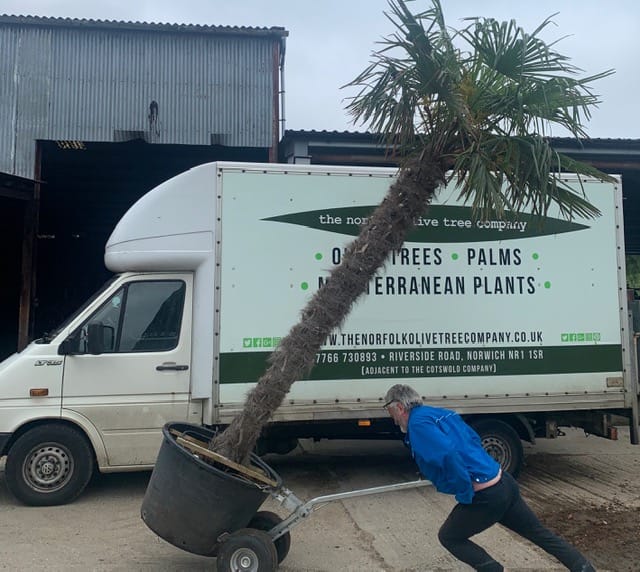
It also explains why mature specimens are increasingly popular with garden designers. A large Trachycarpus can provide immediate scale and structure, while smaller specimens can be planted to develop into a defining feature over time.
Where should you plant a Trachycarpus fortunei?
Choose a position with plenty of light and, ideally, some protection from the worst cold, drying winds. Trachycarpus fortunei will tolerate full sun or light shade and is notably more adaptable than many palms.
Think about the palm’s eventual scale rather than simply the space it occupies on the day you plant it.
A mature specimen can become an important architectural element, so give it room to develop and consider what will be behind it. Against a brick wall, beside a lawn, framing a doorway or emerging from gravel and architectural planting, it can be extraordinarily effective.
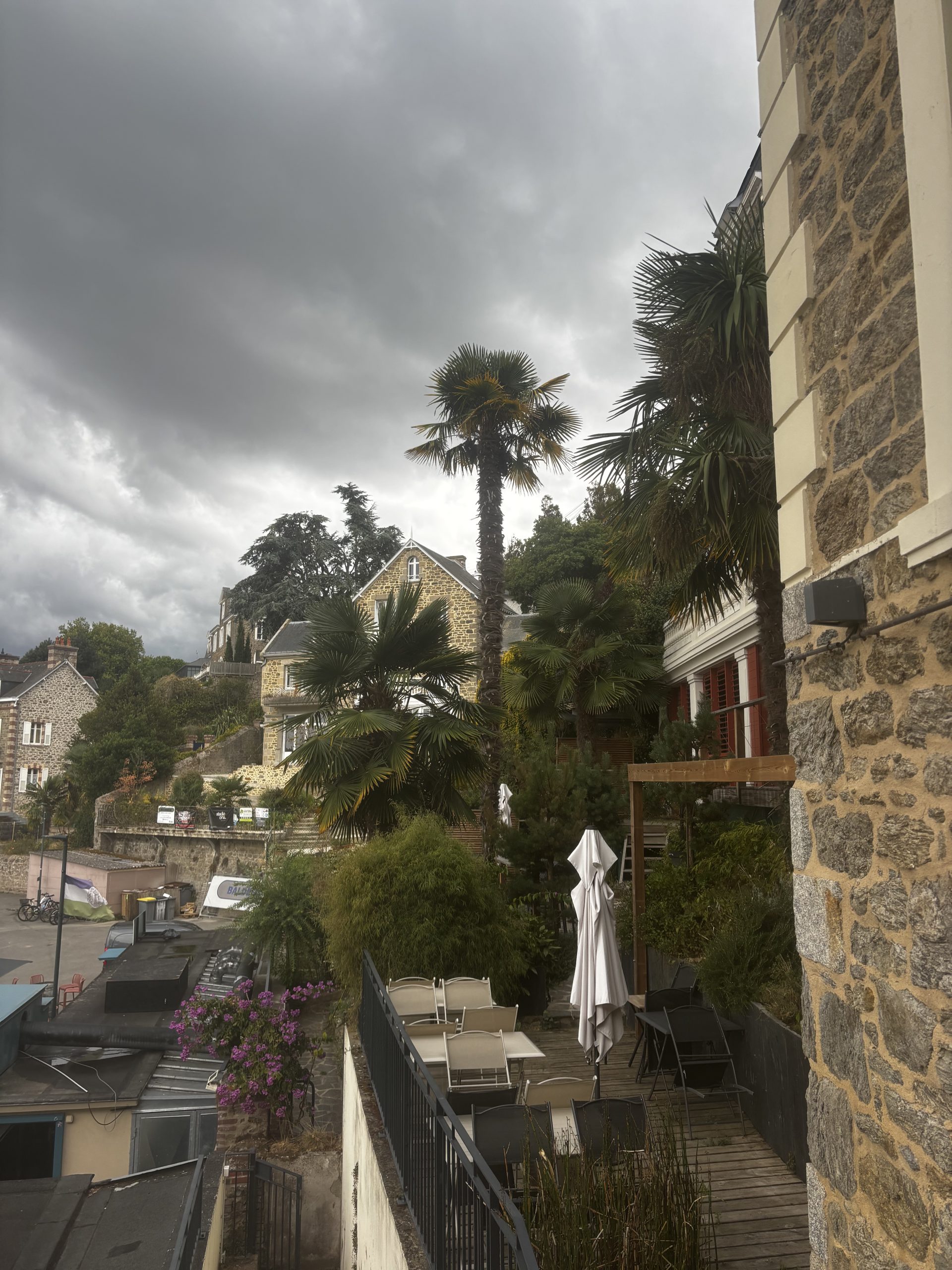
And there is something particularly satisfying about planting a mature palm: you don’t have to wait years for the garden to acquire its character.
Bring the holiday feeling home
Perhaps that’s why palms have such enduring appeal. They remind us of somewhere else — warm evenings, blue skies, coastal walks and gardens that seem effortlessly beautiful. But Trachycarpus fortunei isn’t simply a holiday fantasy transplanted into a British garden.
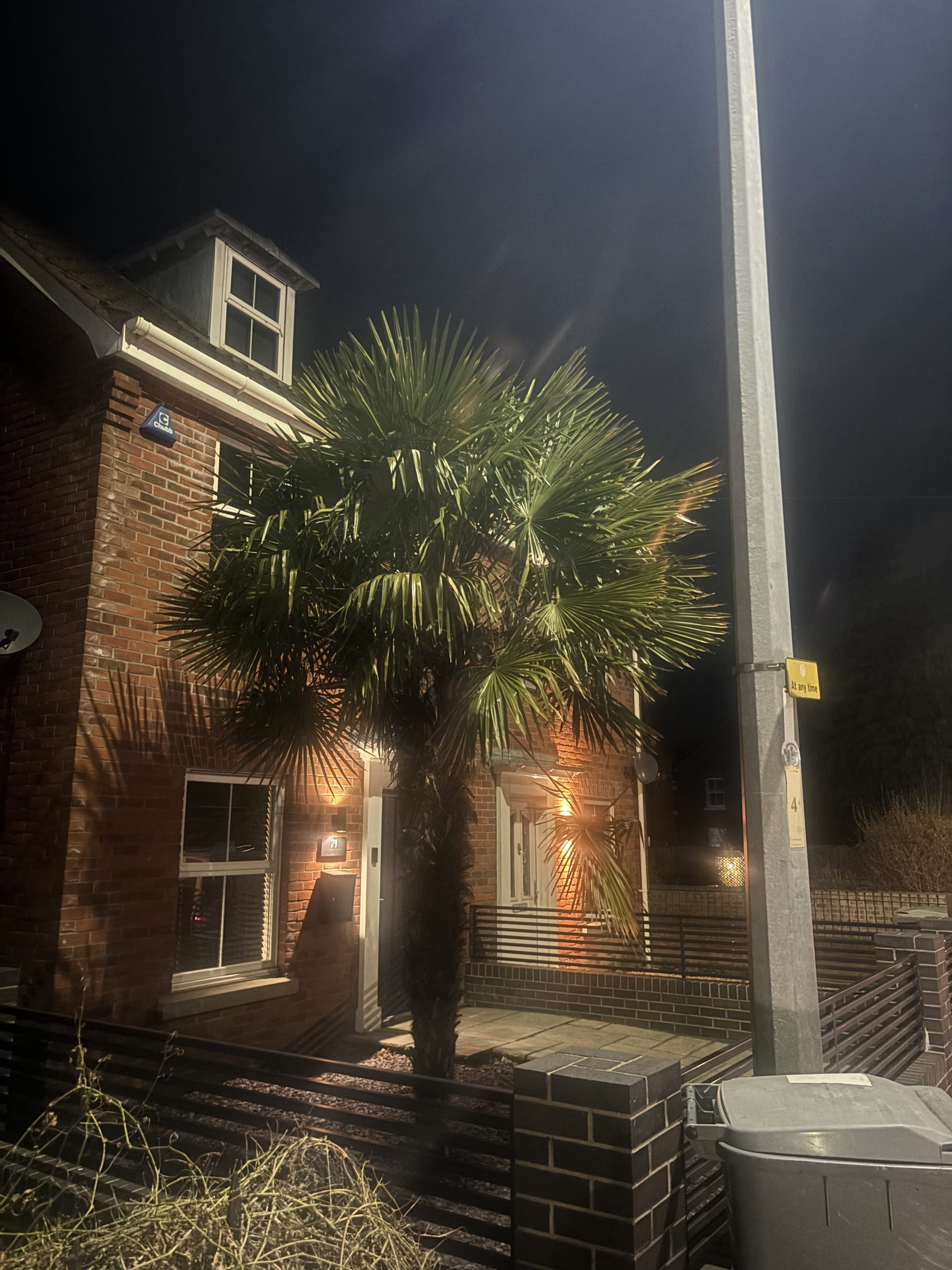
It is a genuinely hardy, adaptable and architectural plant that has earned its place here on horticultural merit.
If you have returned from holiday wondering whether your garden could have a little more of that feeling, this may be the palm to start with.
Explore our Trachycarpus fortunei palm trees and other hardy palms for UK gardens.
Frequently asked questions
Is Trachycarpus fortunei hardy in the UK?
Yes. Trachycarpus fortunei is one of the hardiest palms commonly grown in Britain. The RHS gives it an H5 rating and notes that it can withstand temperatures of around -15°C or below in sheltered conditions.
Is Trachycarpus fortunei evergreen?
Yes. Trachycarpus fortunei is an evergreen palm, retaining its architectural fan-shaped foliage throughout the year.
What is the best position for Trachycarpus fortunei?
A sunny or lightly shaded position with well-drained soil is ideal. Some shelter from strong, cold winds will help protect the foliage and encourage the best appearance.
Is Trachycarpus fortunei a good palm for a UK garden?
Absolutely. Its combination of hardiness, adaptability, evergreen foliage and architectural form makes it one of the best palms for UK gardens.
What is another name for Trachycarpus fortunei?
It is commonly known as the Chusan palm or Chinese windmill palm.
Does Trachycarpus fortunei tolerate heavy soil?
It is more tolerant of heavier soils than many palms. Good drainage is nevertheless important, particularly during winter. The RHS specifically notes its tolerance of heavier clay soils.