Architectural Plants for a Drought-Tolerant Garden: Dasylirion, Olives & Palms
We know that for garden designers, being on holiday is rarely entirely being on holiday. There’s always a plant scheme to notice, a clever combination to photograph, a wall to admire or a particularly good idea to tuck away for later. We’re no different.
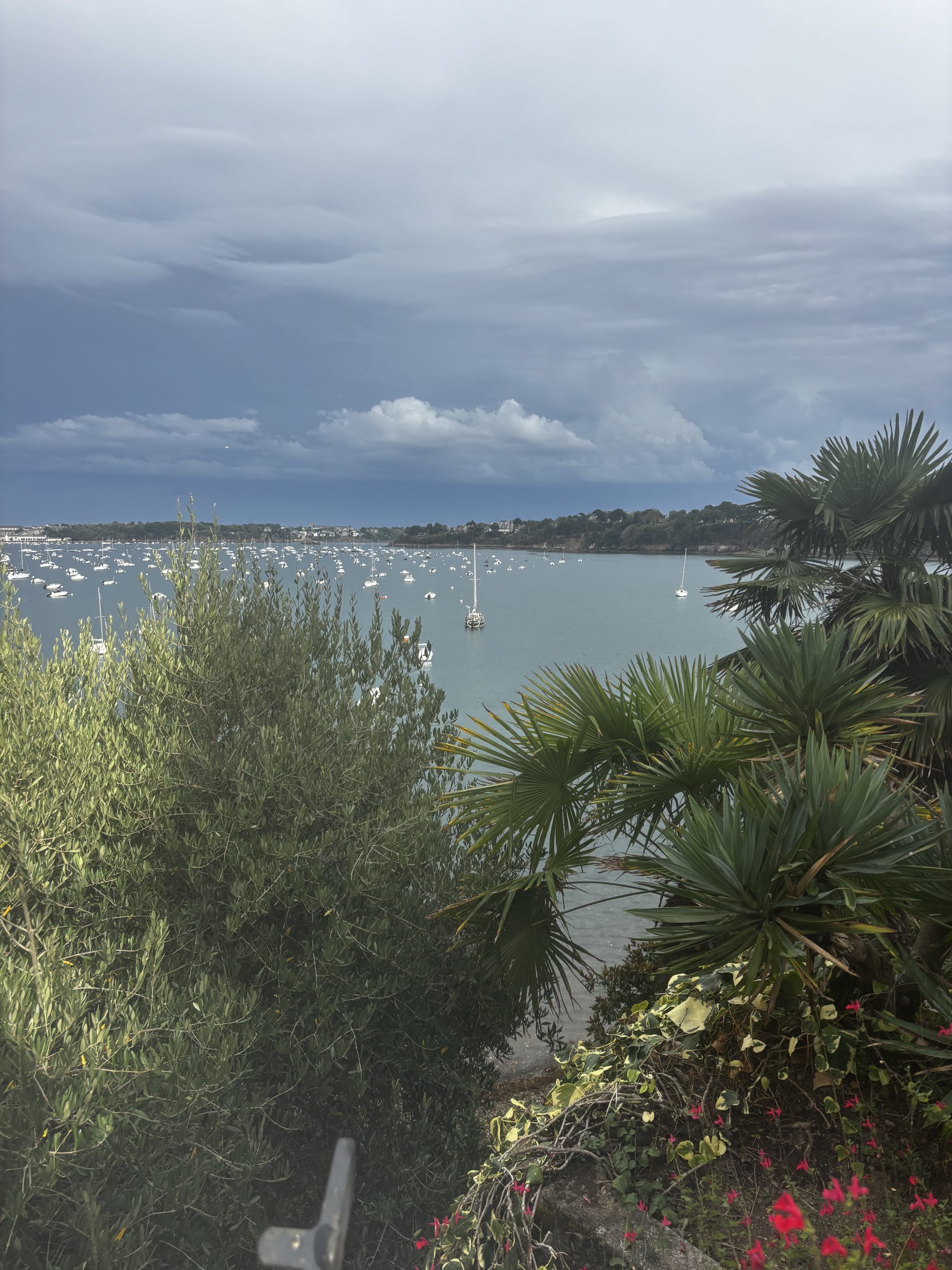
Beautiful Brittany gave us plenty to look at. In many ways, it felt wonderfully familiar — changing weather fronts, big skies and that unmistakable Atlantic light — but with planting schemes that made us stop and look twice.
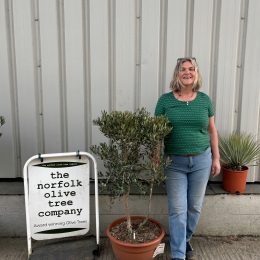
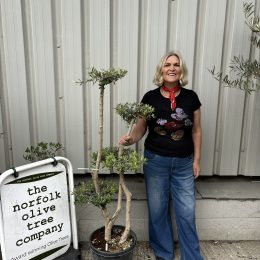
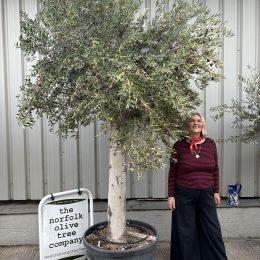
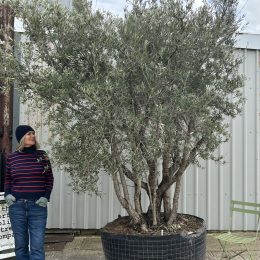
One of the things we particularly loved was seeing olive trees and palms living happily side by side, proving once again that these plants can feel entirely at home within a softer, more naturalistic planting scheme.

And further south, we had something of a masterclass in companion planting and xeric planting. The planting was relaxed, textural and beautifully adapted to dry conditions, with plants allowed to complement rather than compete with one another. It brought to mind the pioneering work of Beth Chatto and her influential book The Dry Garden. Writing from her own East Anglian experience, Chatto championed the principle of “right plant, right place” — choosing plants that are naturally suited to their conditions rather than forcing them to grow where they struggle. Her approach feels particularly relevant today, as we think more carefully about water, resilience and how we create beautiful gardens for a changing climate.
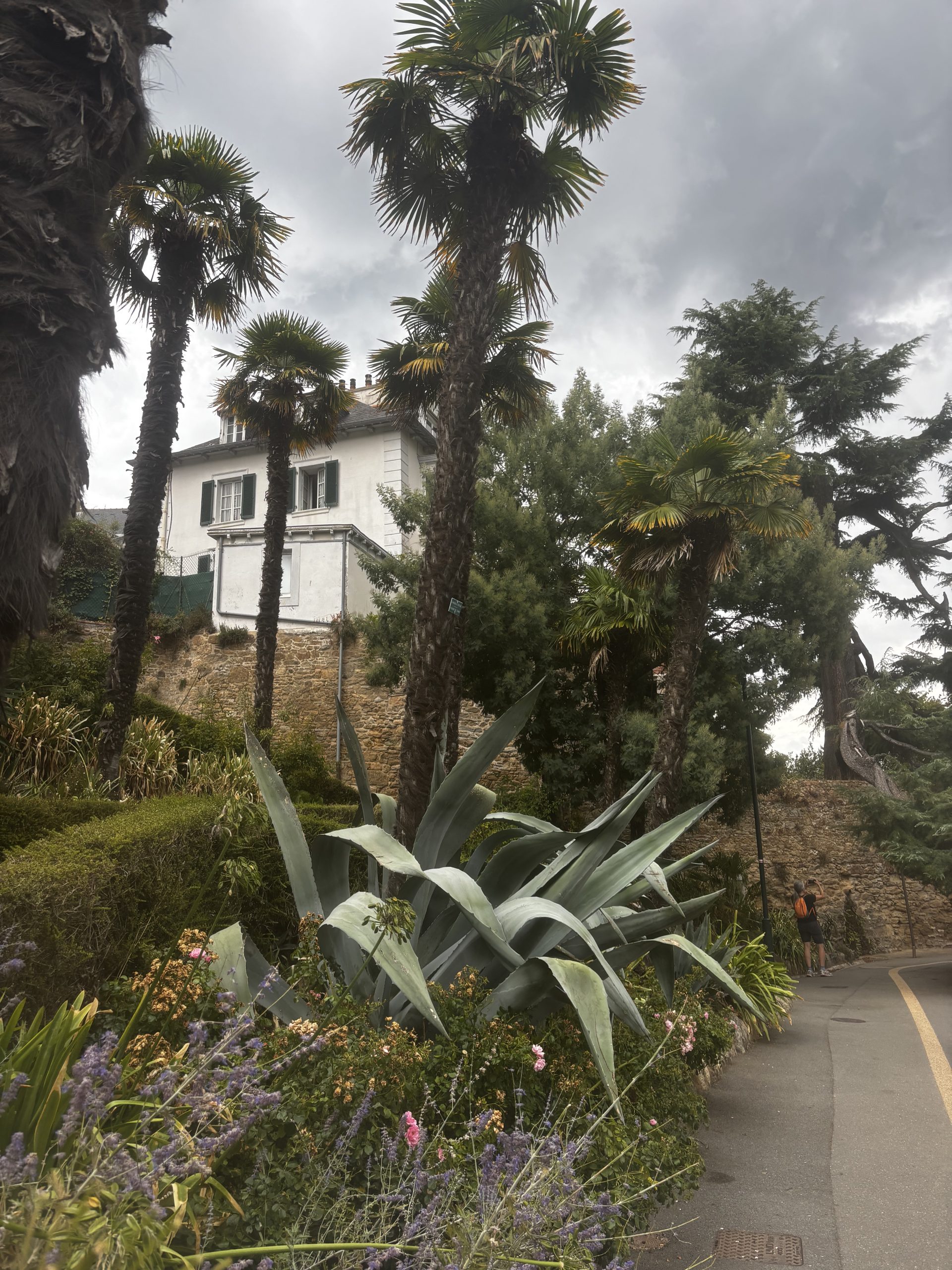
That philosophy was very much in our minds as we travelled south. The best planting we saw wasn’t simply a collection of drought-tolerant plants; it was plants in the right place, thoughtfully combined — with form, texture and structure doing as much of the work as flowers.
Dasylirion: sculptural plants for pots and gardens
Two plants that particularly caught our eye were Dasylirion serratifolium and Dasylirion longissimum. Their architectural forms, fine foliage and wonderful sculptural presence are such a good reminder that drought-tolerant planting doesn’t have to mean spiky or austere.
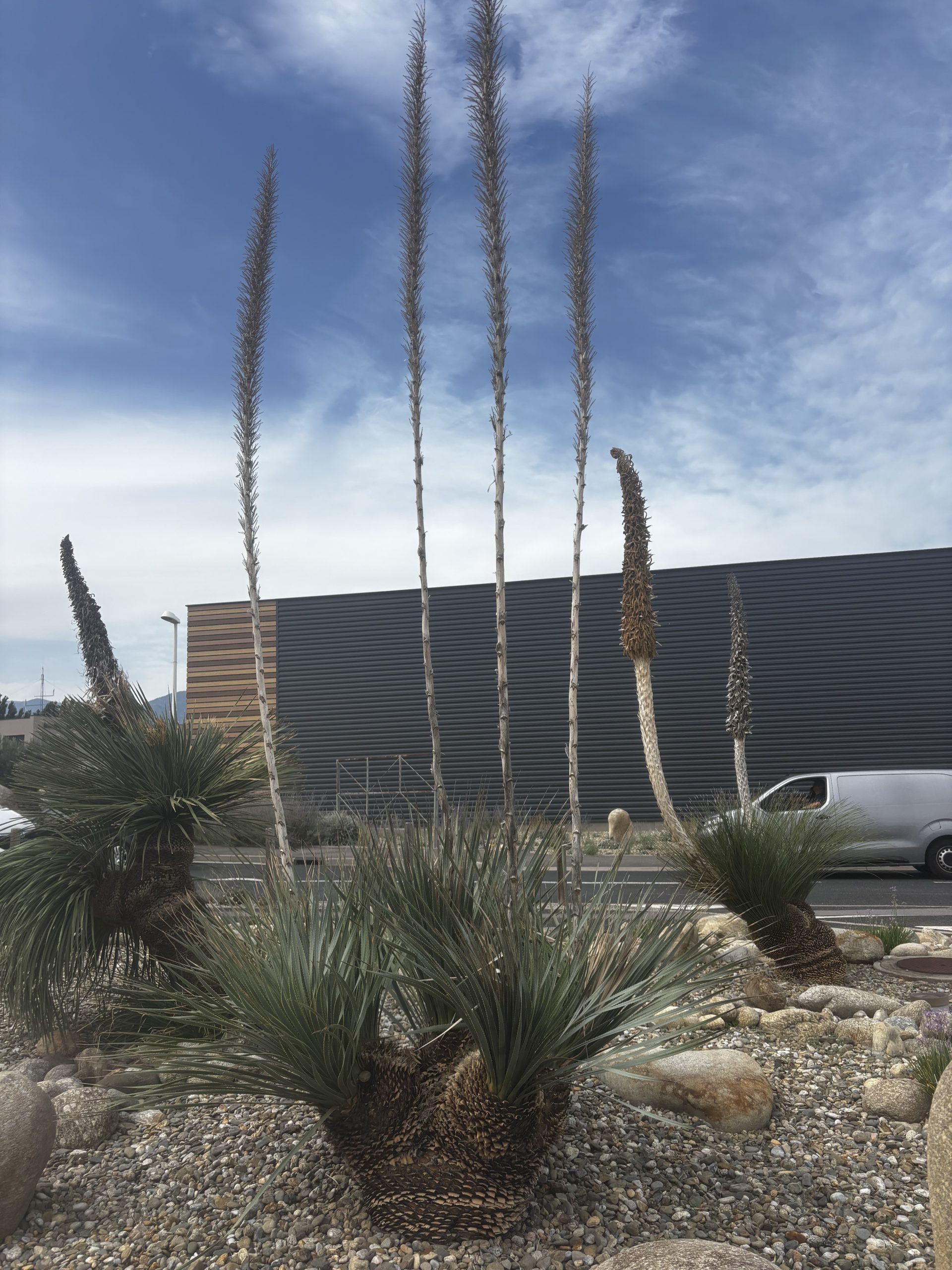
Used thoughtfully, these plants bring movement, texture and strong architectural punctuation to a planting scheme.
We especially loved seeing Dasylirion used in generous jardinières and urns, where the container becomes part of the planting design. The effect is almost like living sculpture: a strong silhouette rising from a beautiful, weathered vessel, with gravel and softer planting providing the backdrop.
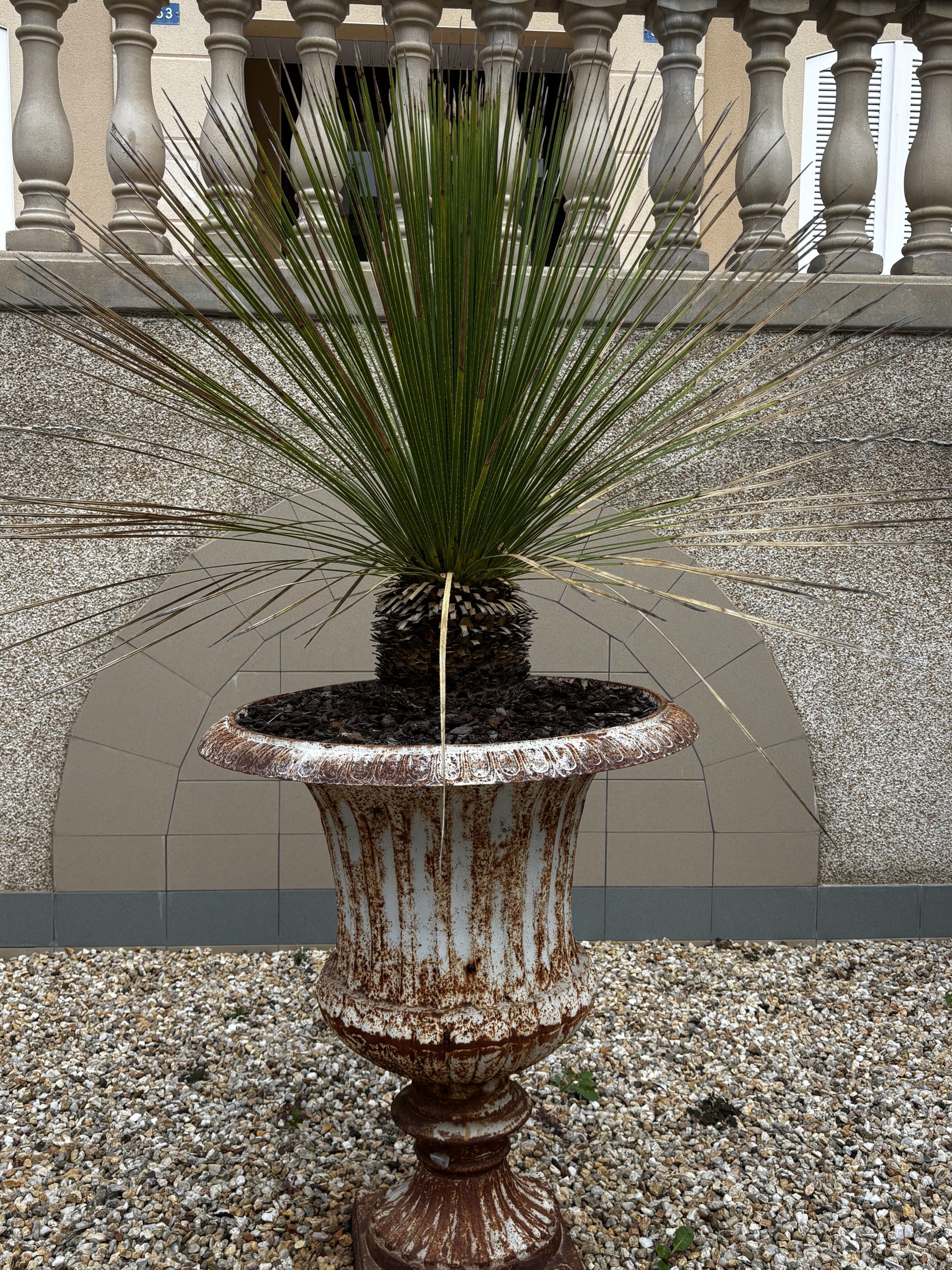
This is where architectural plants really come into their own. A single well-chosen specimen can create a focal point without overwhelming its surroundings, making Dasylirion particularly interesting for courtyards, terraces, gravel gardens and sunny container planting.
Creating a beautiful, drought-tolerant garden
For UK gardens, the appeal goes beyond aesthetics. As gardeners increasingly look for drought-tolerant plants for dry, sunny gardens, choosing plants with strong structural qualities can help create schemes that are both resilient and beautiful.

Think beyond individual plants and consider the whole composition: olives with palms, Dasylirion with gravel, architectural foliage softened by companion planting, and beautiful containers used almost as pieces of garden architecture.
Our biggest takeaway from the holiday?
Drought-tolerant planting can be every bit as elegant, layered and characterful as any other style of garden.
And sometimes, one spectacular plant in the right urn is all the sculpture you need.
Frequently Asked Questions
What are the best drought tolerant plants for UK gardens?
Some excellent drought-tolerant choices for UK gardens include olive trees, palms, Dasylirion, yuccas and other architectural plants that thrive in sunny, well-drained conditions. The best choice depends on the garden’s aspect, soil, exposure and intended planting style.
Is Dasylirion suitable for growing in pots?
Yes. Dasylirion is particularly effective in containers because its architectural form gives it an immediate presence without requiring a large amount of planting space. A substantial jardinière or urn can make the plant a striking focal point.
What is xeric planting?
Xeric planting is an approach to gardening that uses plants naturally adapted to dry conditions and aims to reduce reliance on additional watering. It often combines drought-tolerant plants with excellent drainage, gravel, stone and other hard landscaping materials.
Can olive trees and palms be planted together?
Yes. Olive trees and palms can make a very effective combination, particularly in sunny, free-draining gardens. Their contrasting foliage and forms create structure while allowing a softer companion planting scheme around them.
What are good architectural plants for a gravel garden?
Dasylirion, olives, palms and yuccas can all work beautifully in gravel gardens. Their strong silhouettes contrast particularly well with the loose texture of gravel and can provide year-round structure.