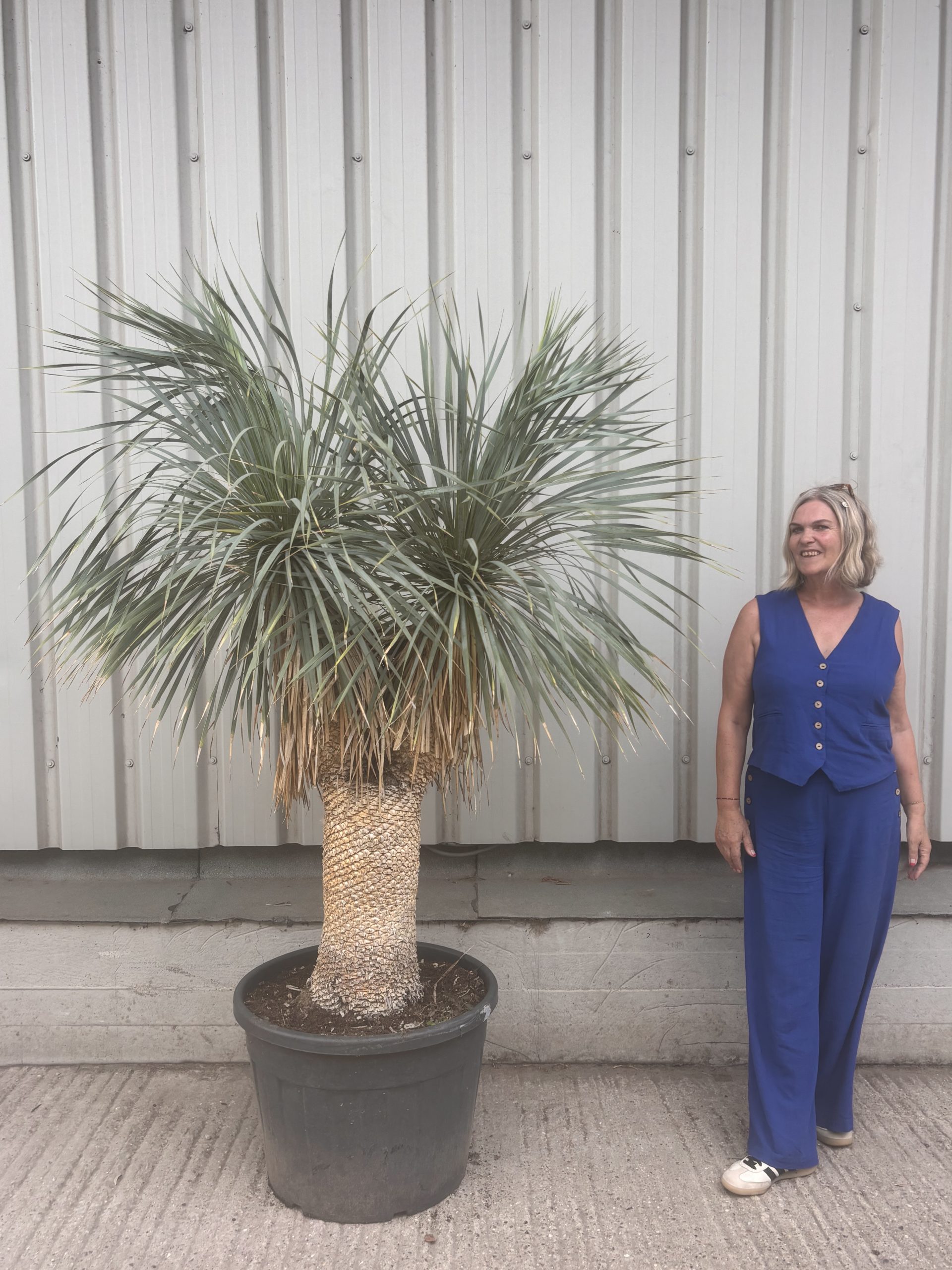
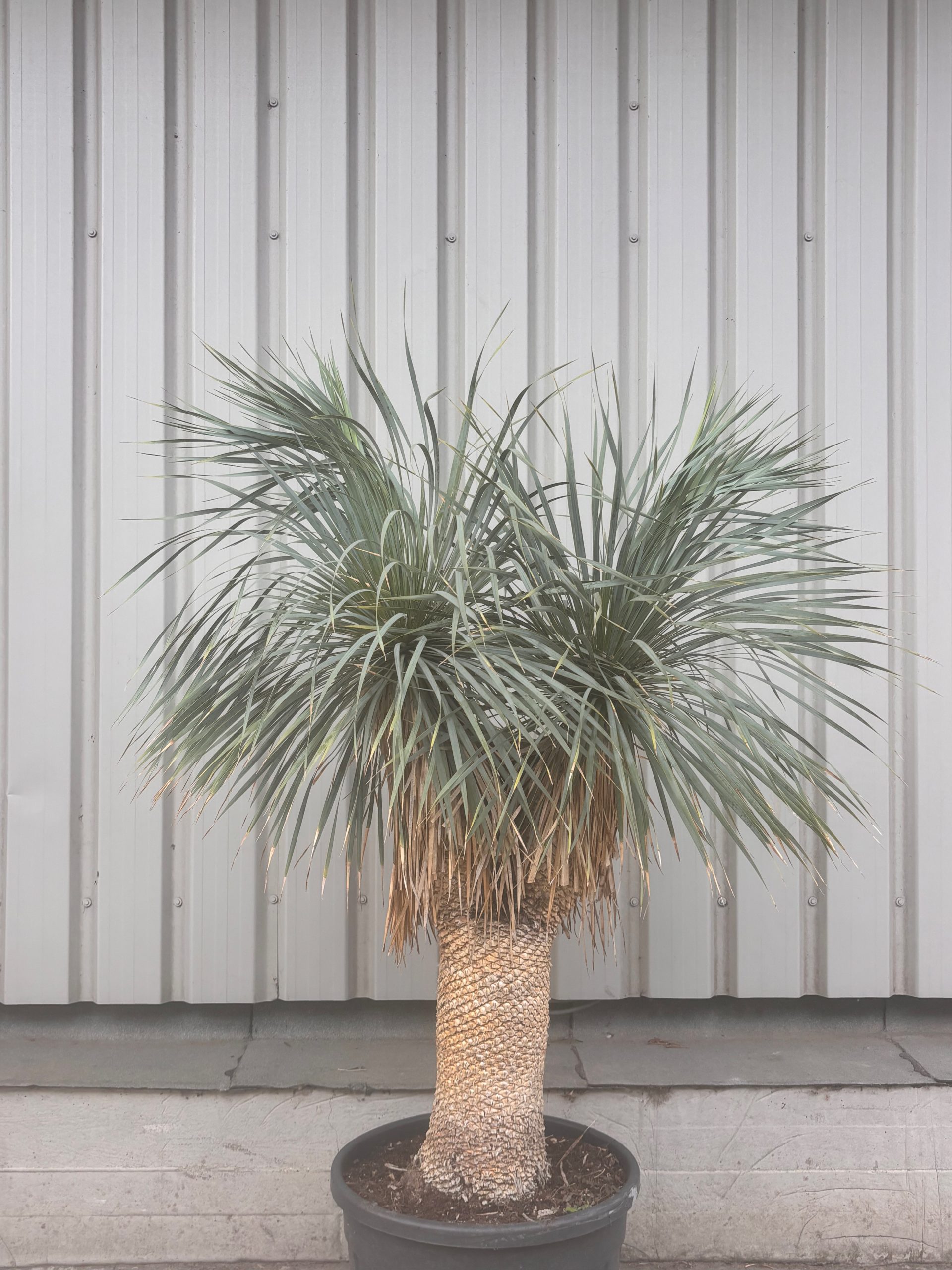


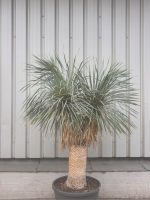
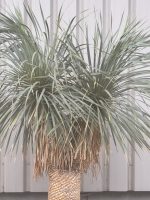
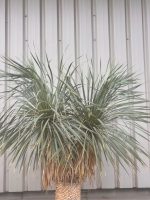


Yucca rostrata for Sale UK | Large Beaked Blue Yucca Tree (Approx. 2.2m Tall)
If you’re searching for a truly architectural statement plant that combines dramatic beauty with remarkable toughness, it’s difficult to surpass Yucca rostrata. Revered by garden designers, landscape architects and collectors alike, this magnificent Blue Beaked Yucca is one of the most sought-after hardy structural plants available in the UK. With its striking silver-blue foliage, sculptural trunk and evergreen presence throughout every season, Yucca rostrata instantly transform a garden into something extraordinary.
Whether you’re creating a contemporary courtyard, an Italian-inspired terrace, a drought-tolerant gravel garden or a lush exotic planting scheme, this exceptional specimen becomes an instant focal point while requiring remarkably little maintenance.
A Living Piece of Sculpture
Few plants possess the sculptural elegance of Yucca rostrata.
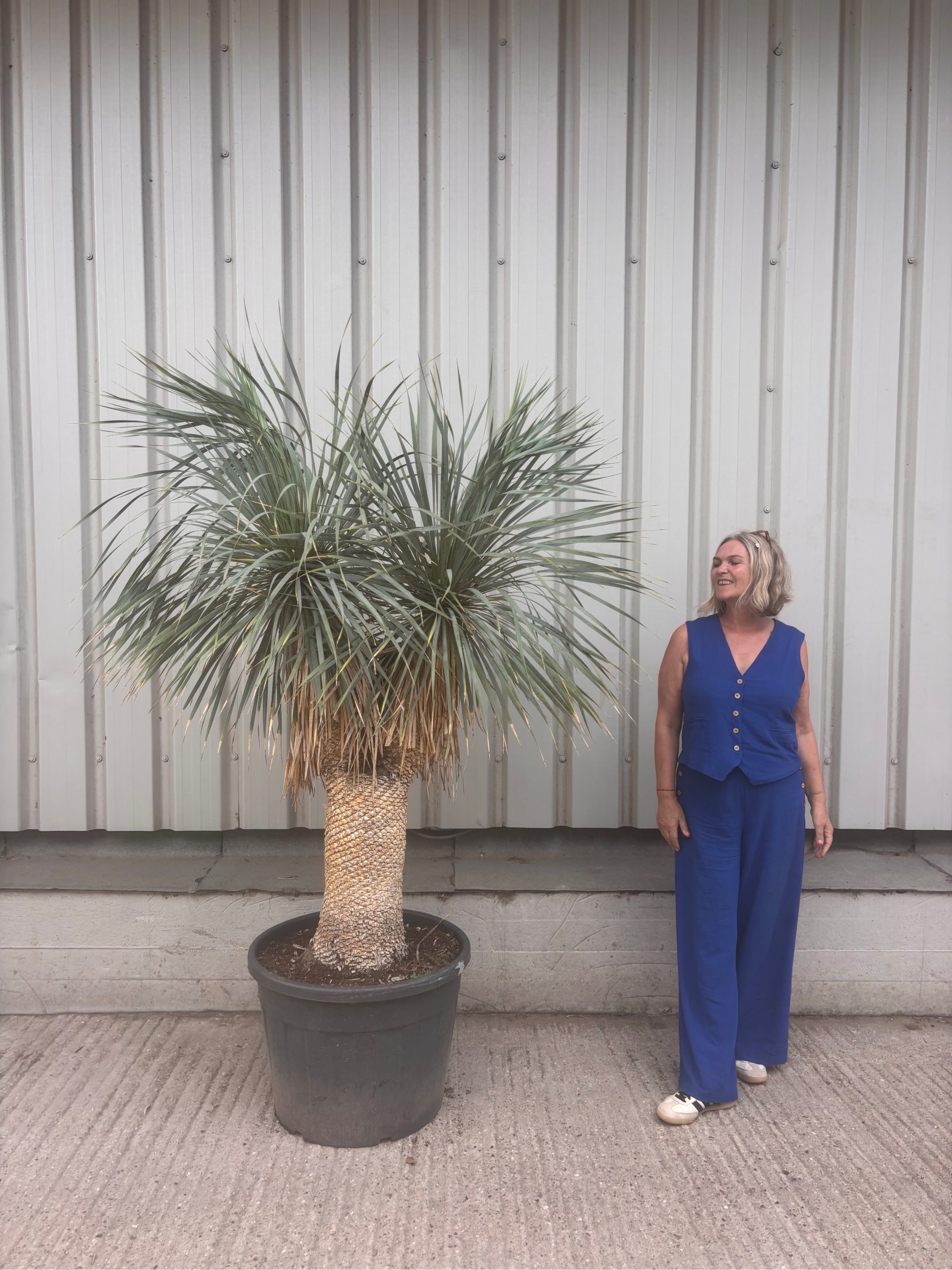
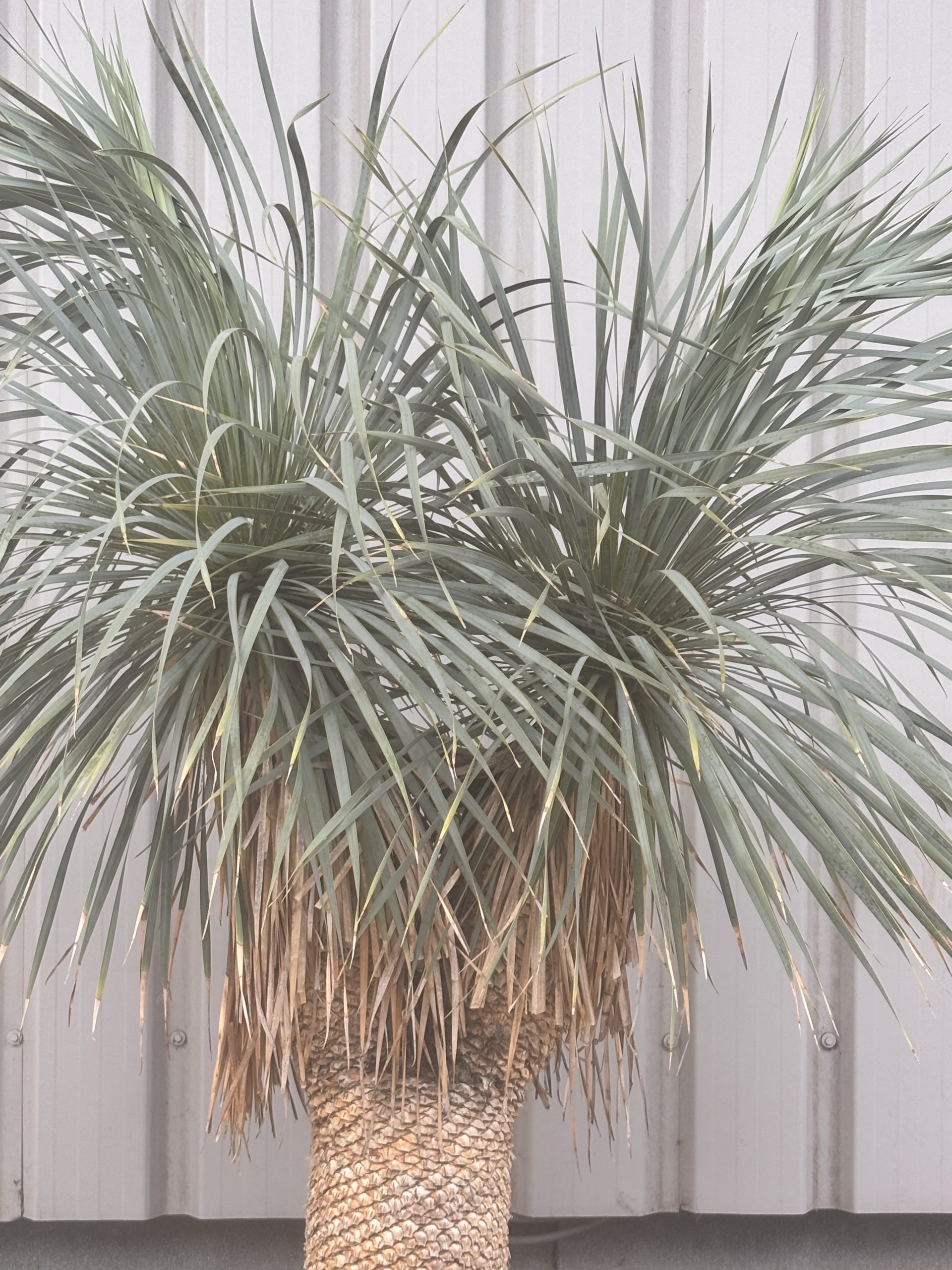
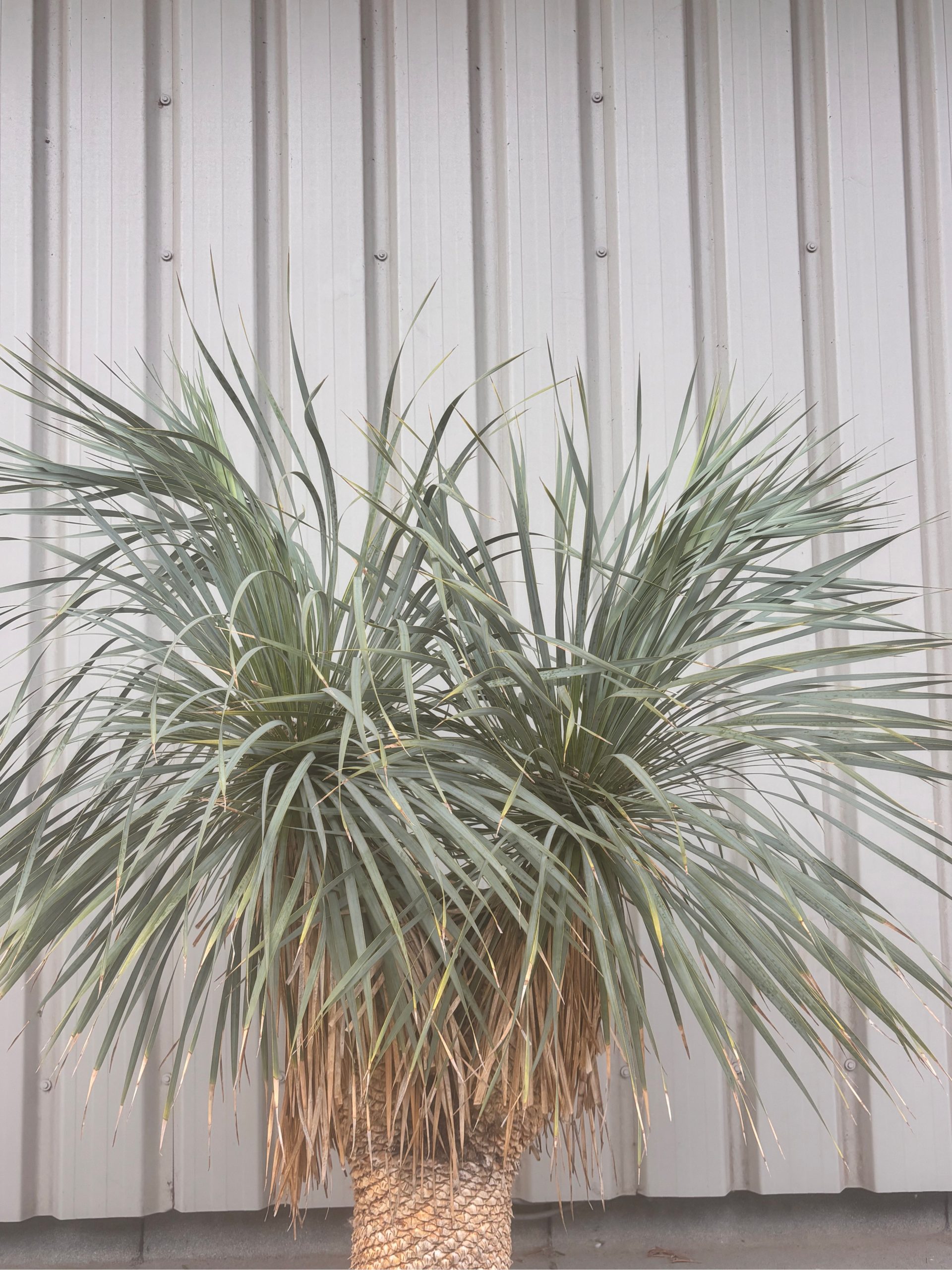
Its perfectly rounded crown of narrow blue-grey leaves rises above a beautifully textured trunk, creating a silhouette that looks equally at home in modern minimalist landscapes as it does in traditional Mediterranean-inspired gardens.
Unlike many architectural plants, Yucca rostrata offers year-round interest without demanding constant attention. Its evergreen foliage remains beautiful throughout the seasons, providing colour, texture and structure long after herbaceous plants have disappeared.
This specimen has developed an exceptionally full crown, giving it real maturity and instant impact from the moment it arrives.
Is Yucca rostrata Hardy in the UK?
Despite its exotic appearance, Yucca rostrata is astonishingly hardy.
Native to the mountains and deserts of northern Mexico and Texas, it has evolved to cope with scorching summers, freezing winters, poor soils and prolonged drought.
Once established, it is capable of tolerating temperatures of around -18°C to -20°C in well-drained conditions, making it one of the most reliable architectural plants for British gardens.
Its resilience is one of the reasons it has become such a favourite among professional garden designers throughout the UK.
Why Garden Designers Love Yucca rostrata
Garden designers value plants that deliver maximum visual impact with minimal maintenance—and few plants achieve this better than Yucca rostrata.
Its clean architectural lines naturally complement:
- Contemporary gardens
- Mediterranean gardens
- Italianate gardens
- Exotic planting schemes
- Gravel gardens
- Courtyard gardens
- Coastal gardens
- Minimalist landscapes
- Xeriscape and drought-tolerant planting
Whether planted individually as a focal point or paired with olive trees, palms, agaves and ornamental grasses, Yucca rostrata brings year-round drama and timeless elegance.
Inspired by the World’s Great Gardens
Yucca rostrata has become synonymous with some of the world’s most celebrated gardens.
Visitors to Jardin Majorelle in Marrakech will recognise its striking architectural form amongst vibrant exotic planting, while at Kew Gardens its exceptional hardiness and sculptural beauty demonstrate why it deserves a place in British gardens.
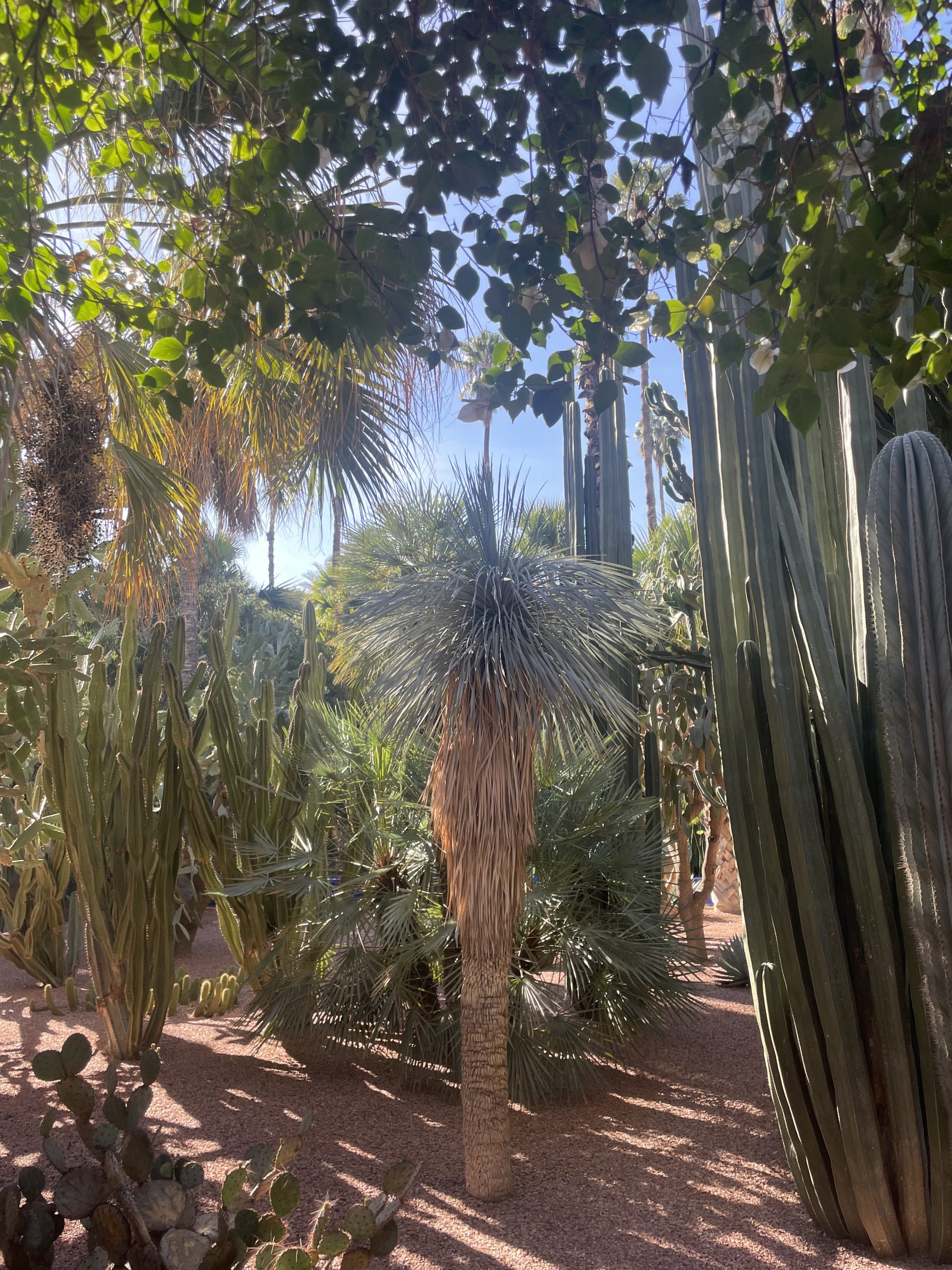
Its distinctive silhouette also feels perfectly at home in Moorish courtyards, sun-drenched Italian terraces and contemporary outdoor living spaces.
Beautiful in Every Season
Unlike many feature plants that shine for only part of the year, Yucca rostrata remains attractive throughout every season.
Its elegant blue-grey foliage catches low winter sunlight beautifully before providing dramatic contrast against lush summer planting.
Even in the depths of winter it continues to provide architectural structure when many gardens appear bare.
Where to Plant Yucca rostrata in the UK
One of the greatest pleasures of owning Yucca rostrata is how little it asks in return.
Simply provide:
- A sunny position
- Excellent drainage
- Occasional watering while establishing
- Very little feeding
Once settled, it becomes remarkably self-sufficient, happily coping with hot summers, dry spells and windy coastal conditions.
It is one of the lowest-maintenance specimen plants available.
Perfect Partners
Yucca rostrata combines beautifully with:
- Mature Olive Trees
- Chamaerops humilis
- Butia capitata (Jelly Palm)
- Agaves
- Lavender
- Rosemary
- Cistus
- Euphorbias
- Gravel gardens
- Large Italian terracotta pots
Together they create gardens inspired by southern Europe while remaining surprisingly resilient in the British climate.
Specifications
Botanical name: Yucca rostrata
Common name: Blue Beaked Yucca
Evergreen: Yes
Hardiness: Approximately -18°C to -20°C (well-drained soil)
Position: Full sun
Soil: Free-draining
Growth rate: Slow
Maintenance: Very low
Suitable for pots: Yes
Suitable for coastal gardens: Excellent
Wildlife friendly: Flowers attract pollinators
Is Yucca rostrata hardy in the UK?
Yes. Yucca rostrata is one of the hardiest architectural plants available and can tolerate temperatures down to around -18°C to -20°C when grown in free-draining soil.
Does Yucca rostrata need much maintenance?
Very little. Once established it requires minimal watering, very little feeding and almost no routine pruning, making it ideal for busy gardeners.
Can Yucca rostrata be grown in a pot?
Absolutely. It grows extremely well in large containers provided excellent drainage is maintained. It looks particularly striking in Italian terracotta-style planters.
Is Yucca rostrata drought tolerant?
Yes. Once established, Yucca rostrata is highly drought tolerant thanks to its desert origins and thrives in sunny, dry conditions.
Where should I plant Yucca rostrata?
Choose a sunny, well-drained position. It performs beautifully in contemporary, Mediterranean, Italianate, gravel and exotic-style gardens.
Does Yucca rostrata stay evergreen?
Yes. Its beautiful silver-blue foliage remains throughout the year, providing permanent architectural interest in every season.
How quickly does Yucca rostrata grow?
Yucca rostrata is slow growing, which helps it maintain its elegant form while becoming increasingly valuable and impressive with age.
What plants look good with Yucca rostrata?
It pairs beautifully with olive trees, Chamaerops palms, Butia palms, agaves, lavender, rosemary, euphorbias and ornamental grasses to create a sophisticated Mediterranean-inspired planting scheme.