Don’t wait until spring to plant the garden you want next year. For many years, spring has been the season when we think about planting our gardens. The days grow longer, the garden starts to wake up and we begin imagining what we would like to change. But what if autumn is actually one of the smartest times to plant a tree?
The Royal Horticultural Society (RHS) is encouraging gardeners to rethink the traditional spring planting rush. With hotter, drier summers becoming an increasing challenge, autumn planting gives trees, shrubs and climbers valuable time to establish their roots before the demands of the next growing season.
At The Norfolk Olive Tree Company, we believe autumn deserves far more attention. Whether you are considering a characterful olive tree, a graceful tamarisk, a hardy palm or a flowering tree to transform an empty corner, planting now can give your garden a valuable head start.
Why do trees benefit from autumn planting?
The secret lies beneath the surface. As autumn progresses, falling temperatures and shorter days signal a change in the growth cycle of many plants. Deciduous trees gradually shed their leaves and enter dormancy, reducing the energy they need to support above-ground growth. However, the roots do not necessarily stop growing when the leaves fall.

As long as the soil remains sufficiently warm, moist and well drained, roots can continue developing even while the branches appear to be resting. This is particularly valuable for a newly planted tree, which needs to establish contact with the surrounding soil and develop the roots that will support its future growth.
Autumn offers several advantages:
1. The soil is still warm from summer.
Although the air is becoming cooler, the soil retains some of the warmth accumulated over the summer months. This can allow roots to grow and settle before winter conditions bring growth to a halt.
2. Rainfall can do more of the watering for you.
Autumn and winter rainfall often help maintain soil moisture, reducing the need for frequent watering compared with planting during a hot, dry spell. Naturally, this depends on your location, soil and the weather.

3. There is less stress from heat.
A newly planted tree must establish roots while supplying water to its leaves and branches. Cooler weather reduces water loss and the risk of heat stress, making establishment easier than during a hot, dry period.
4. Your tree can be better established by spring.
Rather than spending its first spring coping with the initial shock of planting and beginning root establishment, an autumn-planted tree may already have a developing root system ready to support new growth when conditions become favourable.
That does not mean every tree will grow continuously throughout winter, or that autumn planting guarantees faster growth. It means you are giving the tree a useful opportunity to establish before the next growing season.
What about evergreen trees such as olive trees?
This is where autumn planting becomes particularly interesting.
Unlike deciduous trees, olive trees retain their leaves throughout the year and do not enter the same complete winter dormancy. Their growth slows considerably in cooler conditions, but their roots can remain active while soil temperatures are suitable.
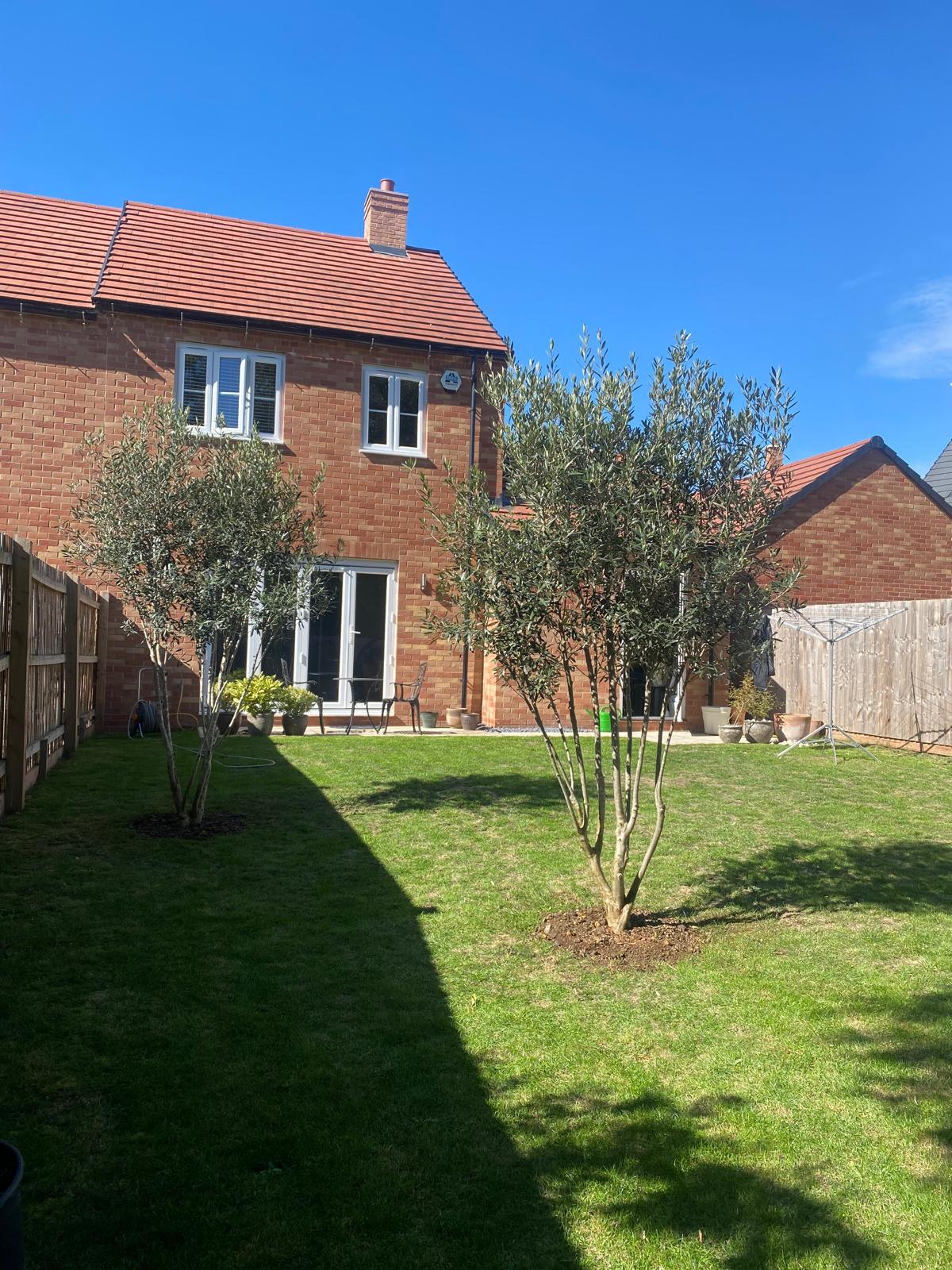
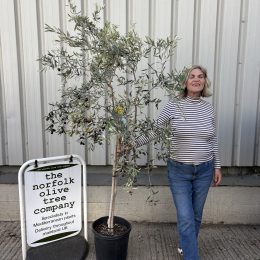
Planting an olive tree in autumn can give it time to settle into its new position before spring growth begins.
It is especially worth considering if you are planning a Mediterranean-inspired garden, adding a statement tree to a courtyard or introducing an established olive to a sunny terrace. Olive trees appreciate sunshine and well-drained soil. They do not appreciate sitting in waterlogged ground, so drainage is an important consideration when choosing a planting position.
For container-grown olives, autumn can be a useful planting window, provided the ground is workable, not frozen or waterlogged, and the tree has time to establish.
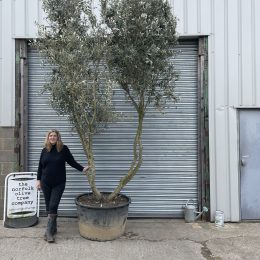
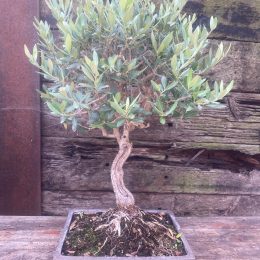
At The Norfolk Olive Tree Company, we hand-select olive trees for their character, form and suitability for gardens. From mature, sculptural specimens to younger trees for those beginning their olive-growing journey, an olive can provide a lasting focal point around which to build the rest of your garden.
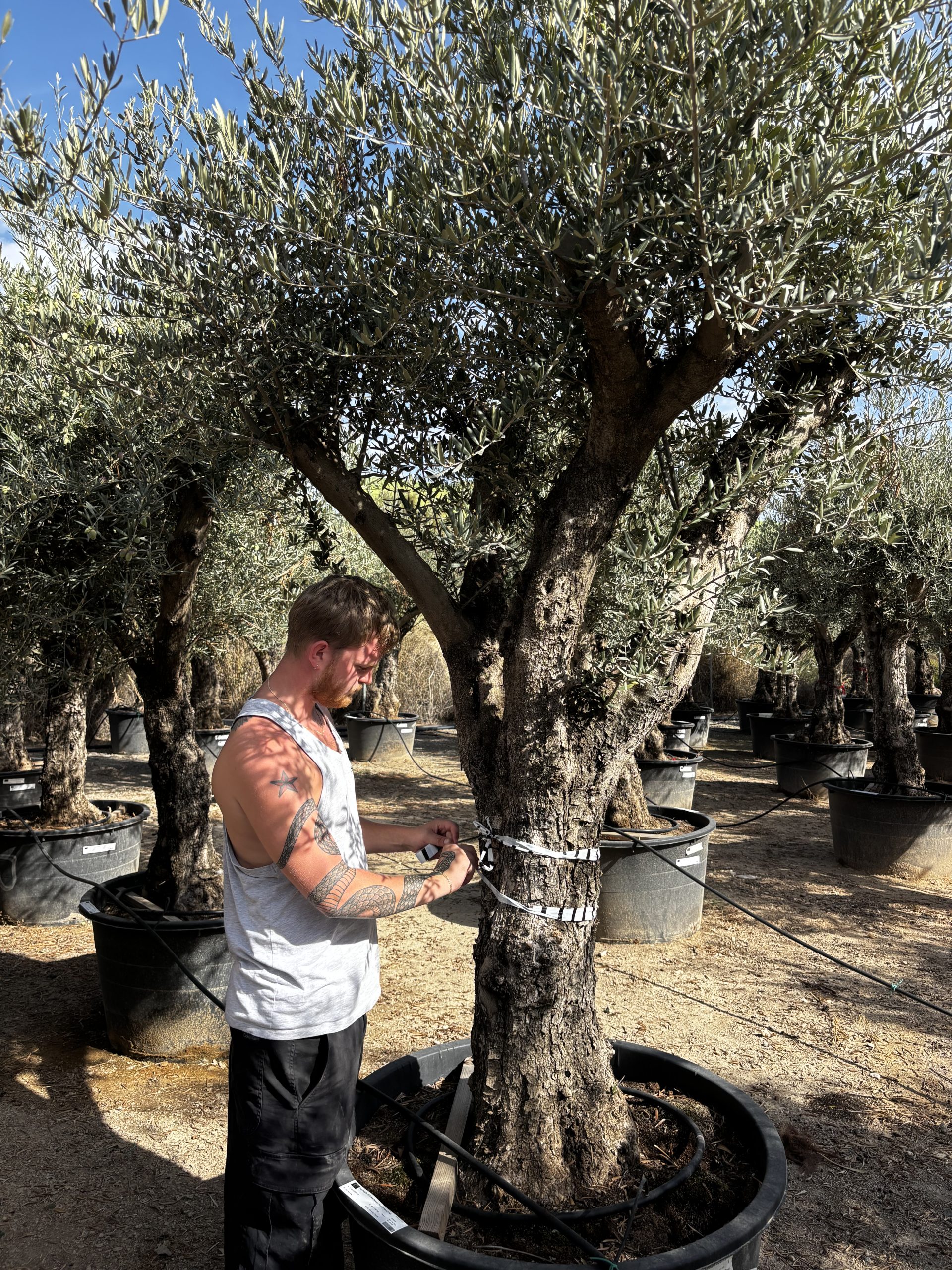
Explore our olive trees and find a specimen to give your garden year-round character.
Tamarisk, palms and other trees: does autumn planting work for them too?
The principles of autumn planting apply to a wide range of trees, although the ideal timing depends on the species, its growing conditions and whether it is deciduous or evergreen.
Tamarisk: a graceful tree for changing conditions
Tamarisk, or Tamarix, is an attractive option for gardeners looking for fine, feathery foliage and a light, airy silhouette. Some varieties produce delicate pink flowers, making them particularly appealing in naturalistic and Mediterranean-inspired gardens.
The RHS has highlighted tamarisk among the shrubs and small trees worth considering as gardeners adapt to wetter winters and drier summers.
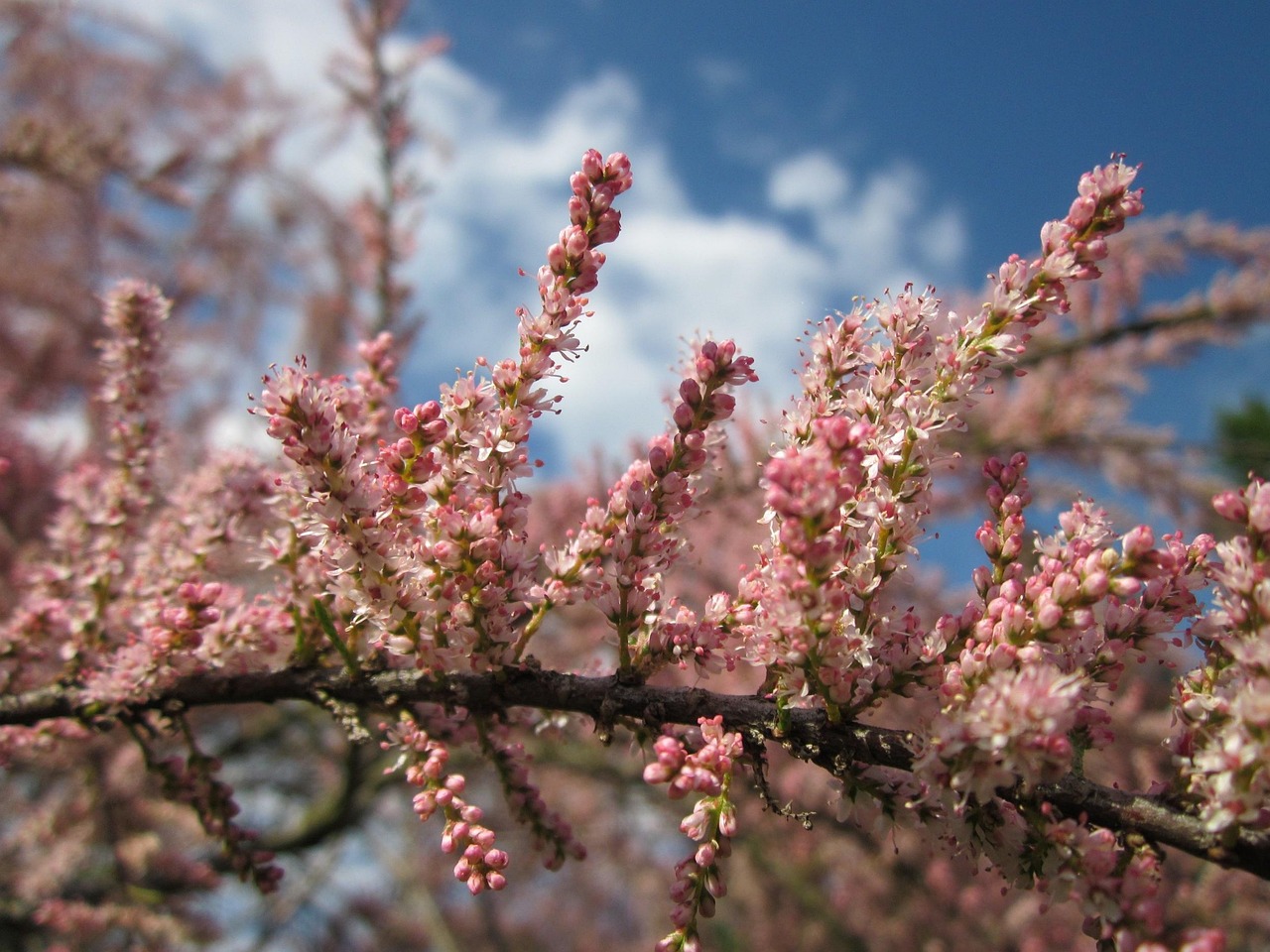
For a suitable, container-grown tamarisk, autumn planting can provide an opportunity for root establishment before spring growth. Choose the planting position carefully and avoid ground that remains waterlogged.
Hardy palms: bringing an exotic feel to the garden
A hardy palm can add height, architectural interest and an unmistakable exotic character to a British garden.
Trachycarpus fortunei is a popular choice for UK gardens because of its relative hardiness. As an evergreen palm, however, it does not follow the same leaf-shedding dormancy cycle as a deciduous tree.
Autumn planting can still offer advantages, including cooler conditions and more reliable soil moisture. The important consideration is allowing the roots to establish while avoiding cold, saturated ground.

In exposed or particularly cold locations, the species, size of the palm and local conditions all matter. Choose a suitable position and follow the requirements of the particular palm you are planting.
Wisteria and flowering trees
Autumn is also worth considering for many woody climbers and flowering trees.
Wisteria, for example, can benefit from being planted while the soil is still workable and retains some warmth. Establishing a strong root system is an important first step towards the vigorous growth needed to cover a pergola, wall or garden structure.
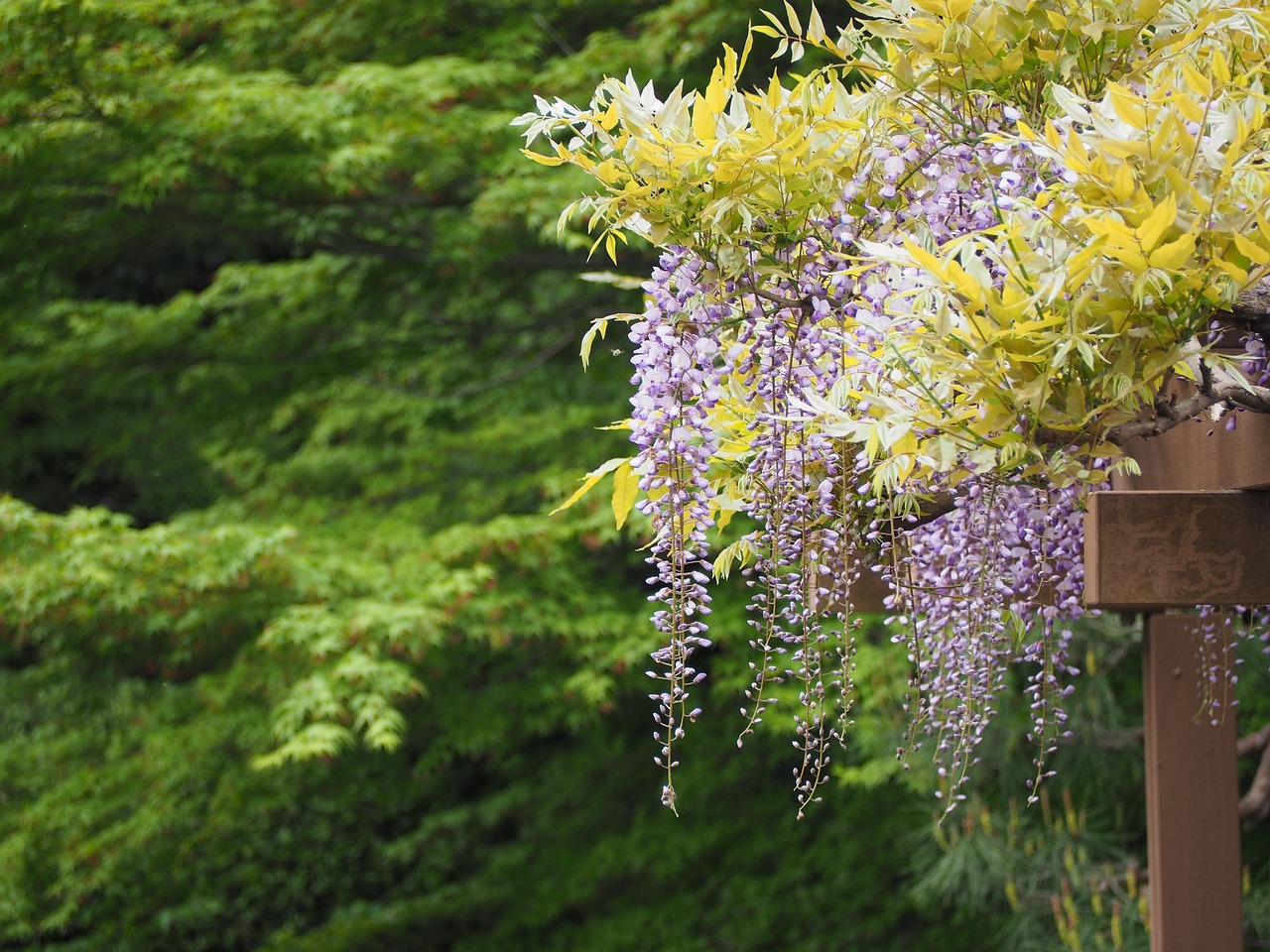
For other deciduous trees, the dormant season can be particularly useful because the tree is not supporting a full canopy of leaves while its roots recover and establish.
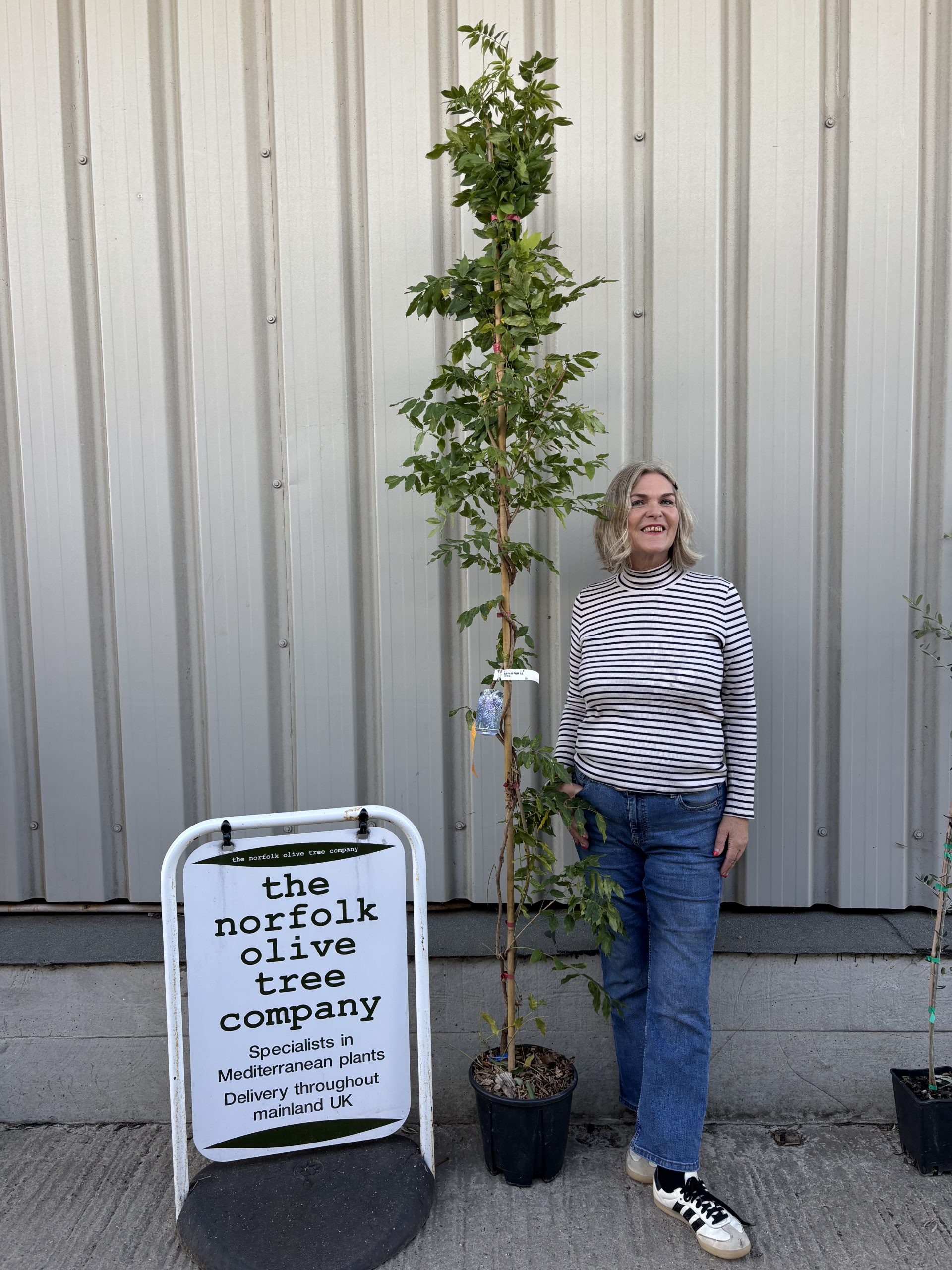
Whether you are planting a flowering tree, a specimen tree or something to bring height to a new garden design, the same principle applies: choose the right plant for the position and give its roots the best possible start.
Will autumn planting make my tree grow faster next spring?
Not necessarily faster in every case, but it can give your tree a valuable advantage.
A newly planted tree needs to establish a functioning root system before it can make the most of favourable growing conditions above ground. If it has had time to settle before spring, it may be better placed to take advantage of warmer temperatures, increasing daylight and the return of active growth.
Think of autumn as preparation time.
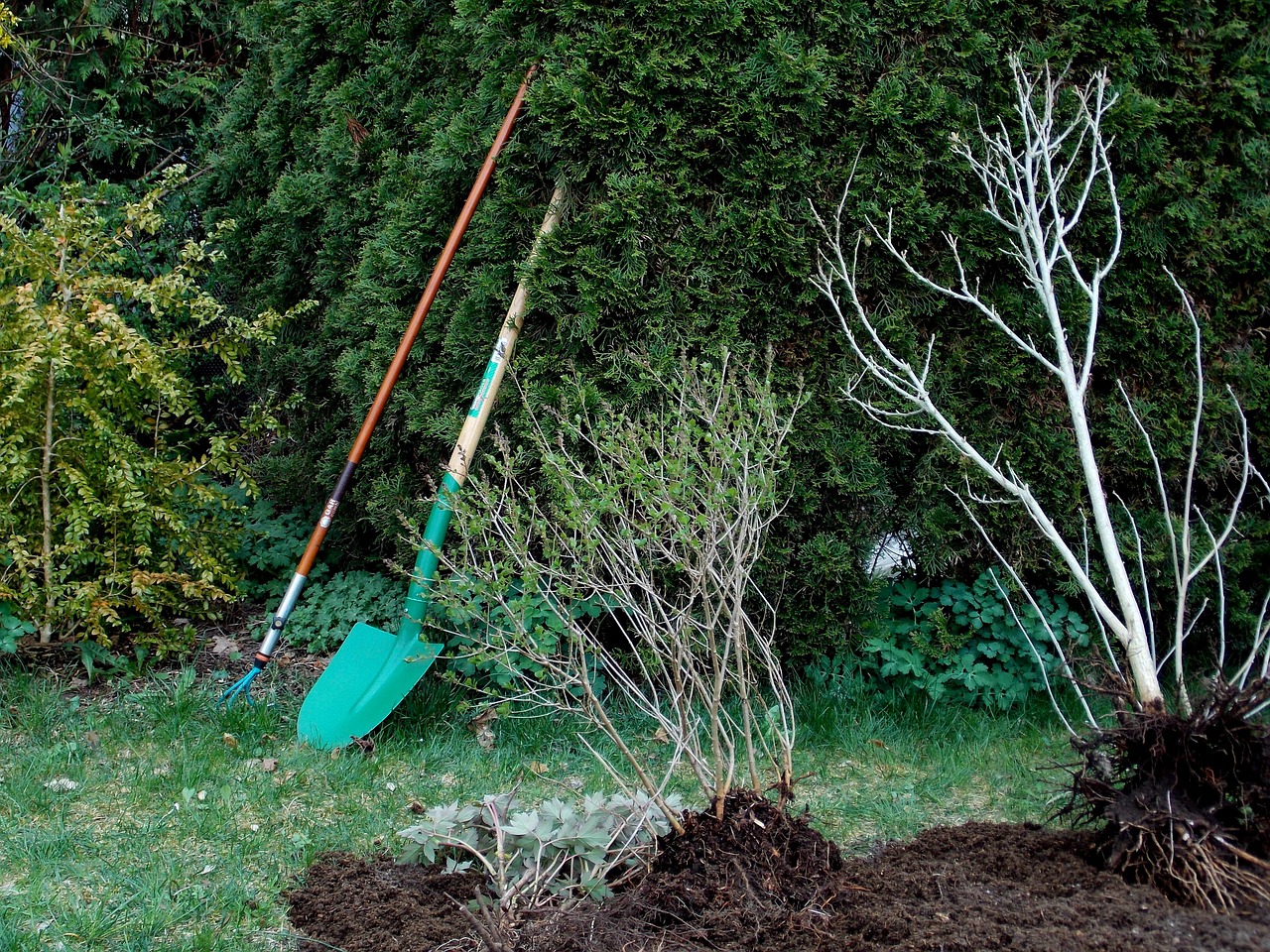
The tree may not look as though much is happening above ground, but beneath the surface, roots may still be developing. By spring, that early establishment can make a difference to how well the tree settles into its new home.
The extent of the benefit depends on the species, planting conditions, soil temperature, drainage and aftercare. A tree planted into waterlogged ground, or one allowed to dry out after planting, will not benefit simply because it went into the ground in autumn.
Is it too late to plant a tree in autumn?
In many parts of the UK, October and November can be excellent months for planting, provided the soil is suitable.
Container-grown trees offer flexibility because they can generally be planted throughout the year. However, autumn and winter often make establishment easier than planting in the heat of summer.
Avoid planting when the soil is frozen, waterlogged or too wet to work. Heavy clay soils that become saturated over winter may be better planted in spring, particularly for plants that dislike sitting in wet conditions.
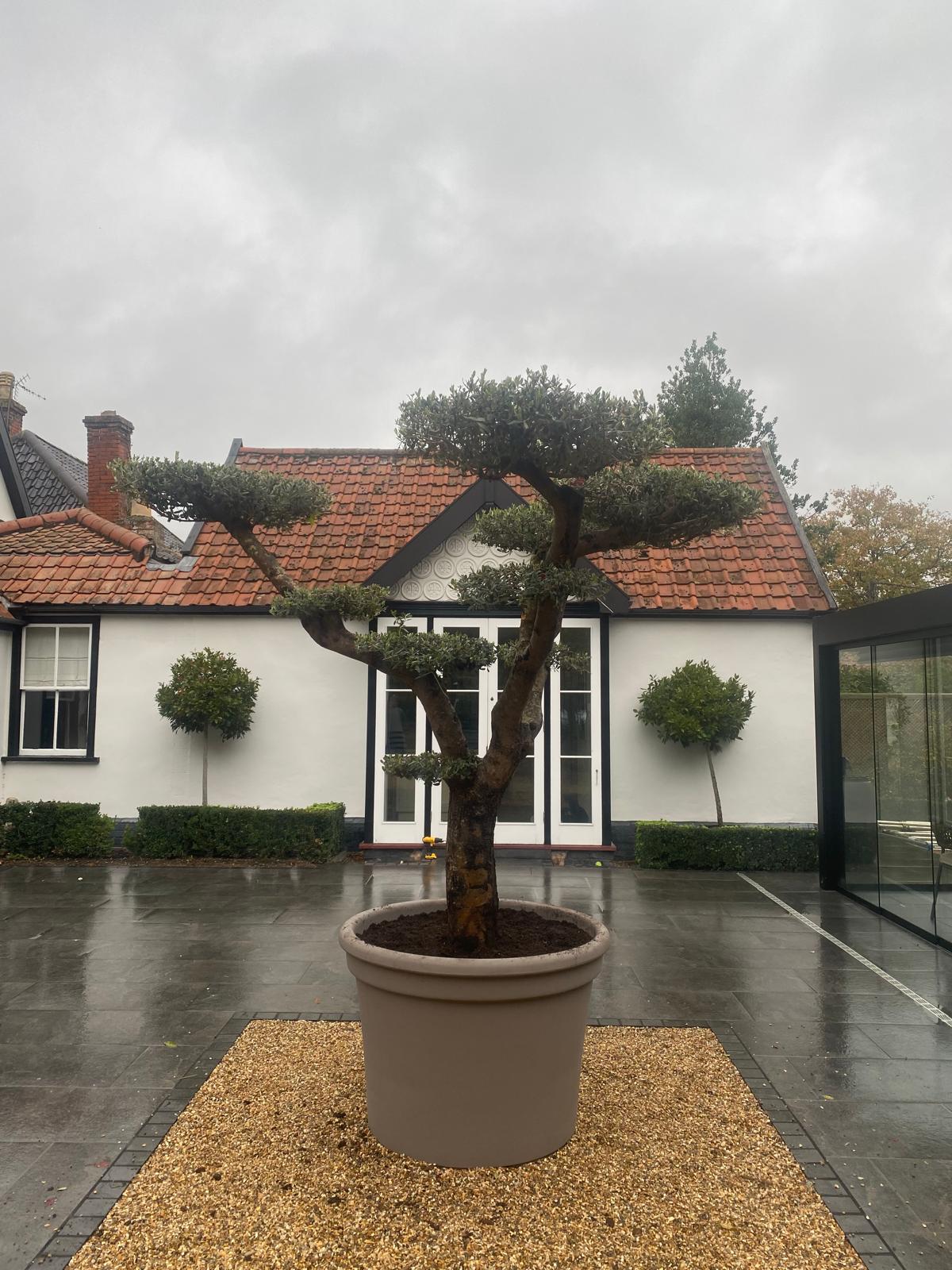
Bare-root trees have a different planting window. They are generally available during the dormant season, from autumn into winter and early spring, depending on the species.
Evergreen Mediterranean plants, including olives and palms, need more careful consideration of local winter conditions than many hardy deciduous trees. If your garden is particularly exposed or prone to waterlogging, choosing the right planting time is just as important as choosing the right tree.
How to give a newly planted tree the best start
Good planting and aftercare matter just as much as timing.
- Choose the right position. Consider sunlight, drainage, wind exposure and the tree’s eventual size.
- Prepare the ground properly. Loosen the soil where appropriate, and make sure the planting hole is suitable for the root system.
- Plant at the correct depth. The root flare should generally remain at soil level rather than being buried.
- Water thoroughly after planting. Even in autumn, the rootball needs to make good contact with the surrounding soil.
- Keep checking moisture levels. Rainfall does not always reach the rootball, particularly under a dense canopy or in a sheltered position.
- Avoid waterlogging. Many Mediterranean plants, including olives, need free-draining conditions.
- Continue caring for your tree. Newly planted trees need attention through their first growing seasons, particularly during dry spring and summer weather.
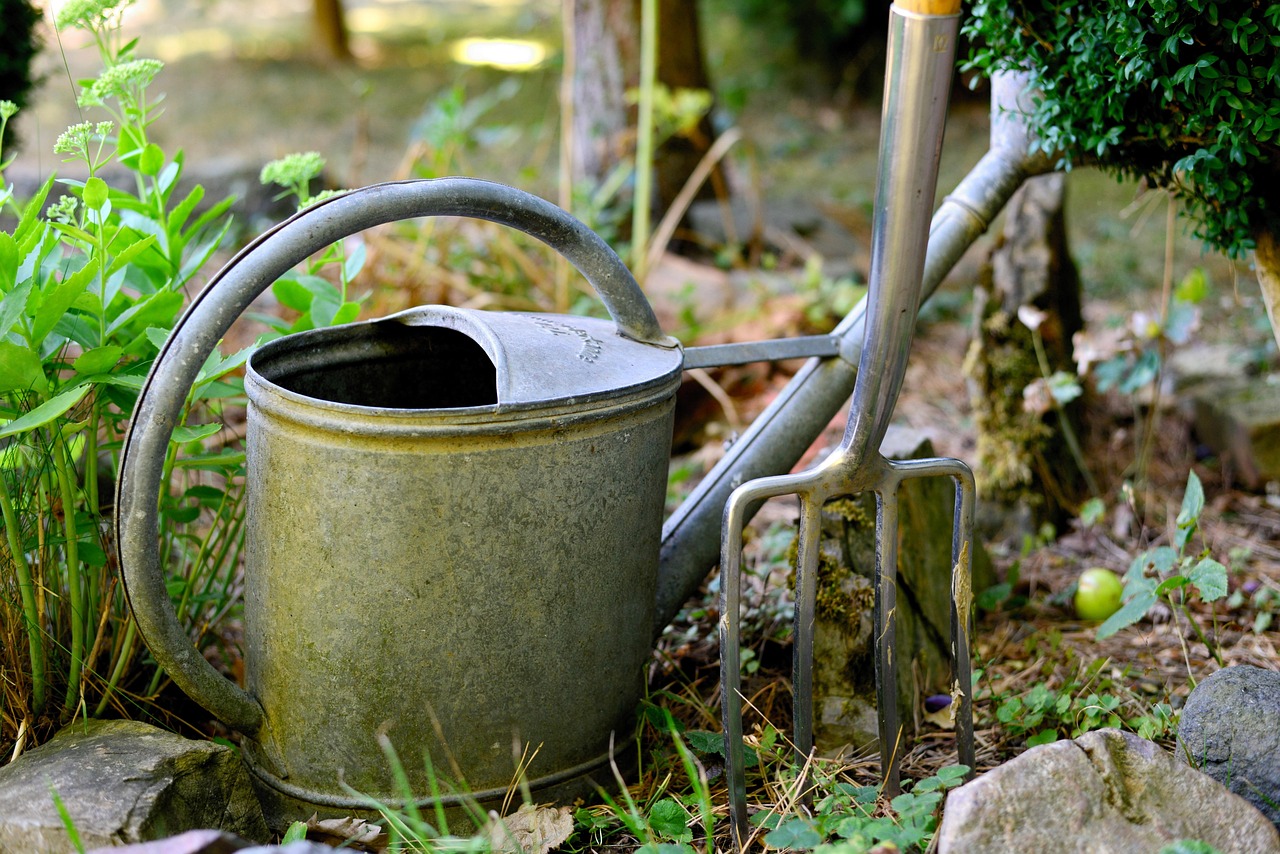
A little preparation now can help your tree settle in and reward you with years of enjoyment.
Plant now and look forward to next spring
There is something satisfying about planting a tree in autumn. While much of the garden is preparing for winter, you are making an investment in the seasons to come.
An olive tree can bring a Mediterranean feel to a courtyard. A palm can add height and drama. A tamarisk can introduce delicate foliage and movement, while a flowering tree or wisteria can transform a space as the garden returns to life.
And because autumn planting can give suitable trees time to establish before spring, you need not wait until the traditional gardening season to get started.
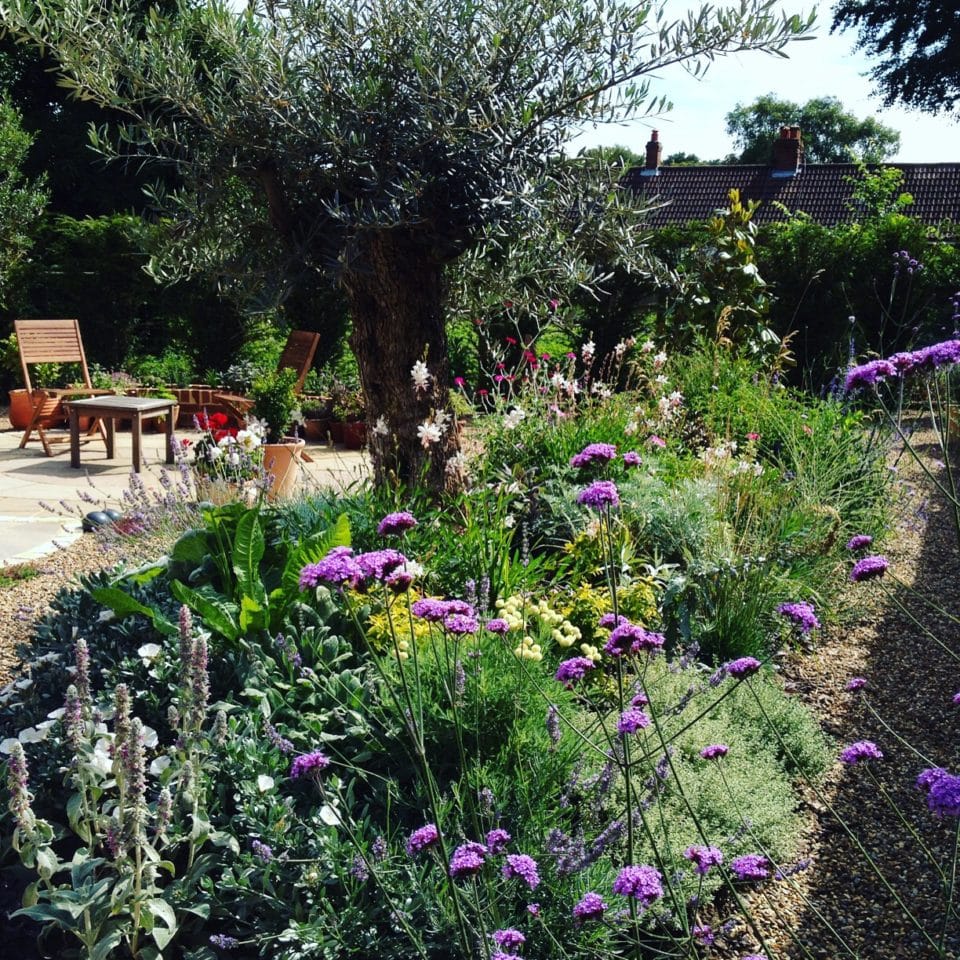
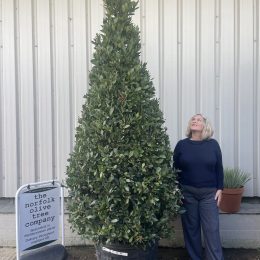
At The Norfolk Olive Tree Company, we offer hand-selected olive trees, hardy palms and a growing range of Mediterranean and architectural plants for gardens across mainland UK.
Why wait until spring to start planning the garden you want?
Explore our available trees and plants and choose something that will bring character to your garden for years to come.
Frequently asked questions
Is autumn the best time to plant trees in the UK?
Autumn is an excellent time to plant many trees because the soil can remain warm while cooler air and rainfall support root establishment. The best time depends on the species, soil conditions and local climate.
Why do trees establish well when planted in autumn?
Many deciduous trees are entering dormancy, so their demand for water and energy to support leaf growth falls. Meanwhile, roots can continue growing while the soil remains warm enough. This gives suitable trees an opportunity to establish before spring.
Can I plant an olive tree in autumn?
Yes, a container-grown olive can be planted in autumn if the soil is workable and well drained and local conditions are suitable. Avoid waterlogged ground and consider a spring planting if your garden is particularly cold or wet.
Can I plant a palm tree in autumn?
Suitable container-grown palms can be planted in autumn, but the species and local conditions matter. Hardy palms such as Trachycarpus fortunei are more suitable for many UK gardens than tender palms. Avoid saturated soil and take account of winter exposure.
Can I plant trees in November?
Yes, many trees can be planted in November if the soil is not frozen or waterlogged. Bare-root trees are also becoming available during the dormant season. Some evergreen Mediterranean plants may be better planted earlier or in spring in colder locations.
Do autumn-planted trees still need watering?
Yes. Water thoroughly after planting and monitor the rootball during dry spells. Continue checking through the first growing seasons, particularly during spring and summer, when rainfall may not meet the tree’s needs.